
Was US B-2 Bombers’ Action in Iran a Failure or Success? A Closer Look at Operation Midnight Hammer
Was US B-2 Bombers’ Action in Iran a Failure or Success?
Tehran/Washington D.C. – The United States’ dramatic strike on Iran’s underground Fordow nuclear site, led by stealth B-2 bombers under Operation Midnight Hammer, was hailed by former President Donald Trump as a historic military success. But less than a week after the strike, satellite images and international reactions are prompting the question: Was the mission truly successful—or a strategic miscalculation?
Operation Midnight Hammer: The Official Narrative
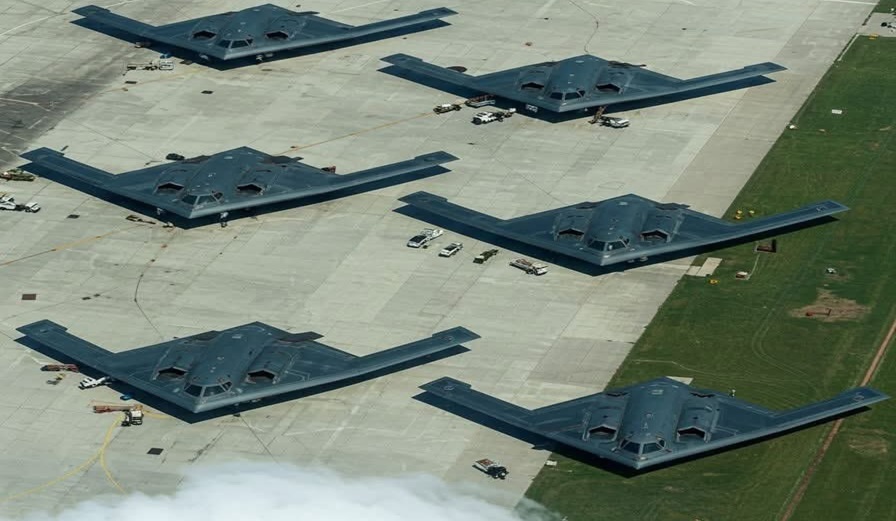
On Saturday, the US military deployed B-2 Spirit stealth bombers to deliver a precision airstrike on Fordow—an underground nuclear enrichment facility Iran has long defended as a critical pillar of its atomic program. Trump claimed the bombing had “completely obliterated” Iran’s nuclear infrastructure and set its program back by “years.”
“There is nothing left of consequence,” Trump declared, likening the mission’s impact to the bombing of Hiroshima.
His administration touted the operation as a turning point, signaling a forceful end to decades of nuclear brinkmanship between Washington and Tehran.
Ground Reality: Satellite Images Tell a Different Story
However, new satellite photos from commercial imaging firms paint a more complex picture. The images show:
- Heavy excavation equipment operating at Fordow days after the attack.
- Repaired access roads leading into the mountain where the site is located.
- Activity around tunnel entrances and newly dug routes.
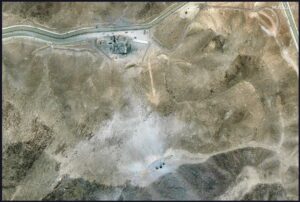
Iran’s Nuclear Site Rebuilding Begins After US Bombing: Satellite Images Reveal Secret Activity
These images suggest Iran is already rebuilding—and may have taken preemptive steps to reduce damage, such as sealing tunnels and relocating enriched uranium.
Iran’s Strategic Response: Prepared, Evacuated, Resilient?
According to Iranian state media, the facility had been partially evacuated before the strike. Uranium and key equipment were allegedly moved to undisclosed locations.
Tehran’s response was swift but measured. Ayatollah Ali Khamenei dismissed the strikes as symbolic, saying:
“They could do nothing. Their weapons hit concrete, not our program.”
A leaked report from the Defense Intelligence Agency (DIA) added to the uncertainty, stating there was “low confidence” that Iran’s nuclear capabilities had been meaningfully set back. Though the IAEA confirmed that Fordow’s centrifuges are non-operational, it stopped short of verifying full destruction.
The Trump Administration Pushes Back
Top officials including Defense Secretary Pete Hegseth and DNI Tulsi Gabbard have aggressively defended the mission.
“The suggestion that it wasn’t successful is irresponsible and unfounded,” Hegseth told reporters. “We hit what we intended to.”
President Trump threatened legal action against The New York Times and CNN for publishing stories based on the leaked DIA report, calling the coverage “defamatory and unpatriotic.”
Legal notices have been served to both media outlets, demanding retractions and apologies, but the publications stand by their reporting.
Measuring Success: Tactical Win, Strategic Uncertainty
By some metrics, the operation achieved its tactical objectives:
- The IAEA confirmed the destruction of multiple centrifuges.
- The Fordow facility is partially disabled, at least temporarily.
- The US demonstrated its military precision and reach.
But from a strategic standpoint, the outcome is more ambiguous:
- Iran has resumed underground activity.
- Its uranium stockpile remains untouched.
- The strike may have only hardened Iran’s resolve and undermined diplomatic channels.
Conclusion
While the US hailed Operation Midnight Hammer as a decisive blow, emerging evidence suggests the mission’s success is debatable. Iran’s nuclear program may have been bruised, but not broken. As the international community assesses the aftermath, one thing is clear: the US-Iran nuclear standoff is far from over.