
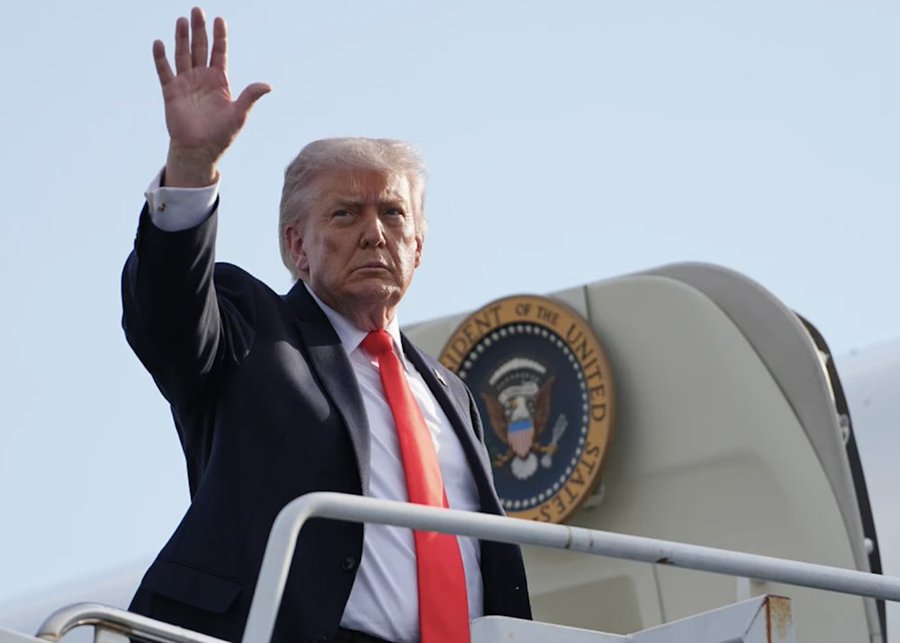
WASHINGTON — The geopolitical tension in the Middle East has reached a critical junction as Trump reviewing fresh Iran proposal dominates the global security agenda. Speaking to reporters on May 3, 2026, US President Donald Trump confirmed he is examining a new offer from Tehran aimed at ending the ongoing conflict. While traveling from Palm Beach to Miami, Trump expressed deep skepticism about the possibility of reaching a lasting deal. He noted that the Iranian regime has not yet “paid a big enough price” for its actions over the last 47 years.
Despite the current three-week ceasefire holding, the threat of renewed violence remains high. Trump explicitly stated that military strikes could resume “if they misbehave” or “do something bad.” This warning comes shortly after his briefing with CENTCOM commander Admiral Brad Cooper regarding updated strike plans. The President’s tone suggests that while diplomacy is on the table, the US military is prepared to re-engage at a moment’s notice.
Also Read : Oracle Layoffs 2026: Tech Giant Slashes 20,000 Jobs in Global AI Shift
The Details of Tehran’s “Concept of a Deal”
The latest diplomatic move follows Trump’s rejection of a previous Iranian proposal earlier this week. The new proposal reportedly sets a strict one-month deadline for negotiations. According to sources, the primary objectives for Iran are reopening the Strait of Hormuz and ending the US naval blockade. The blockade, which the US Navy has enforced since April 13, has crippled Iranian ports and significantly disrupted global oil supplies.
Tehran’s strategy appears to be a two-phased approach. The first month would focus on permanently ending the war in Iran and Lebanon. Only after a successful resolution would a second month of negotiations begin to address Iran’s nuclear program. Trump, however, remains unimpressed by the exact wording provided by Iranian officials. He continues to weigh the “concept of the deal” while emphasizing the need for accountability for past humanitarian grievances.
Economic Pressure: Gas Prices and the Naval Blockade
The domestic fallout of the conflict is putting immense pressure on the White House. Since the war began on February 28, US gas prices have surged to a staggering $4.39 per gallon. This represents a 47 percent increase, directly impacting the American consumer’s wallet. Trump has acknowledged the link between the conflict and the economy, promising that “as soon as the war ends, the gasoline prices will come down.”
However, the President remains committed to the naval blockade. He insists on maintaining pressure on Iranian shipping until a satisfactory deal is reached. This stance has worsened price pressures throughout the week. Meanwhile, Admiral Brad Cooper has arrived in the Arabian Sea to meet with soldiers aboard the USS Tripoli. This deployment signals that the US is maintaining a high state of readiness. The next few days in Miami will be crucial as Trump prepares to discuss the proposal’s specifics with his senior advisors.
Read More : Who is the White House Correspondents’ Dinner Shooter? Suspect Cole Tomas Allen Identified
Conclusion: A Fragile Peace on the Brink
The Trump reviewing fresh Iran proposal scenario is a test of both diplomatic patience and military resolve. While a ceasefire offers a brief respite, the underlying issues of regional security and nuclear proliferation remain unresolved. The world now watches Miami for a formal response. Trump’s final decision will determine if the Middle East moves toward a permanent peace or returns to active combat. For now, the “only ray of hope” lies in whether Tehran can offer concessions that satisfy the President’s demand for a “big price” paid.