
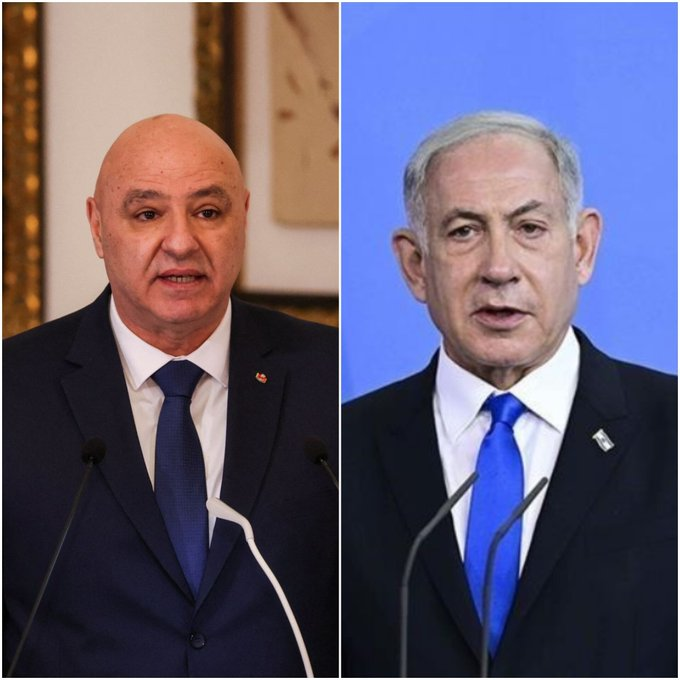
WASHINGTON — In a pivotal moment for West Asian diplomacy, the second round of high-stakes Israel-Lebanon ceasefire talks commenced in Washington on Thursday, April 23, 2026. This rare diplomatic encounter brings together officials from two nations officially at war for decades. US Secretary of State Marco Rubio is mediating the session at the State Department. He is joined by Israeli Ambassador Yechiel Leiter and Lebanese Ambassador Nada Hamadeh Moawad. US Ambassador to Lebanon Michel Issa and Ambassador to Israel Mike Huckabee are also participating. The primary objective is to prevent a return to full-scale hostilities as the current 10-day truce nears its expiration on Sunday, April 26.
Remarks by Foreign Minister @gidonsaar yesterday ahead of negotiation meeting between Israel and Lebanon. pic.twitter.com/2AjcNjxinA
— Israel Foreign Ministry (@IsraelMFA) April 22, 2026
Beirut arrives at the table with a specific plea: a one-month extension of the ceasefire. Lebanese President Joseph Aoun confirmed that “contacts are underway” to secure this breathing room. Lebanon aims to use the extension to facilitate the deployment of the national army to international borders and begin reconstruction. Conversely, Israel has signaled a cooperative stance toward the Lebanese government. Ahead of the meeting, Israeli officials stated they have no “serious disagreements” with Beirut. Instead, they urged Lebanon to “work together” to neutralize the influence of Hezbollah, which has notably opposed these direct negotiations.
Violence Shadows Diplomacy: The Death of Amal Khalil
Despite the diplomatic progress in Washington, the situation on the ground remains volatile. On Wednesday, Israeli strikes reportedly killed five people in Lebanon. Among the casualties was Amal Khalil, a journalist for the Lebanese daily Al-Akhbar. Reports indicate she was trapped under rubble after a strike in southern Lebanon. Her colleague, photographer Zeinab Faraj, was also wounded in the attack. These incidents have drawn sharp condemnation from Lebanese Prime Minister Nawaf Salam. He labeled the targeting of journalists and the obstruction of rescue efforts as potential “war crimes.”
Moreover, these strikes highlight the fragile nature of the current 10-day ceasefire. Under the agreement brokered by President Donald Trump, Israel maintains its “right to self-defense” against imminent threats. Israel claims its targets are limited to Hezbollah infrastructure. However, the high civilian toll continues to complicate the diplomatic narrative. Since the conflict intensified in early March, Lebanese authorities report at least 2,454 fatalities and over one million displaced citizens. Transitioning from a temporary truce to a permanent peace requires addressing these ongoing military actions that threaten to derail the Washington process.
Hezbollah’s Defiance and the Iran Factor
The shadow of Hezbollah looms large over the Israel-Lebanon ceasefire talks. The group’s leader, Naim Qassem, recently termed the truce “an insult” to Lebanese sovereignty. He insisted that Hezbollah fighters keep their “hands on the trigger,” warning that any ceasefire cannot be one-sided. This defiance stems from the group’s deep-rooted ties to Iran’s Islamic Revolutionary Guard Corps (IRGC). Hezbollah remains the primary military force opposing the Washington talks. They argue that the Lebanese government should not allow the United States to dictate border security terms.
Also Read : Iran Accuses Pakistan Army Chief Asim Munir of ‘Double Game’ in US-Iran Mediation
Furthermore, the broader geopolitical context of the US-Iran war significantly impacts these local negotiations. While a general ceasefire between the US and Iran was announced on April 7, Israel initially maintained that the truce “did not cover Lebanon.” This led to a series of joint US-Israeli strikes in the region. However, the current dialogue in Washington represents a shift toward localizing the peace effort. If the extension is granted, it would mark the longest period of relative calm in the region since the conflict erupted following the death of Supreme Leader Ayatollah Ali Khamenei.
The Path to a Permanent Settlement
The success of the April 23 talks hinges on whether Lebanon can take “meaningful steps” to curb non-state armed groups. Israel is demanding a permanent end to Hezbollah’s influence near its northern border. Meanwhile, Lebanon is focused on preserving its sovereignty and achieving a full Israeli withdrawal from its territory. Ultimately, the Washington talks are a “beginning,” as described by Ambassador Leiter. They represent the first significant direct contact between the two nations since 1993. As the clock ticks toward Sunday’s deadline, the world watches to see if diplomacy can finally silence the guns in West Asia.