
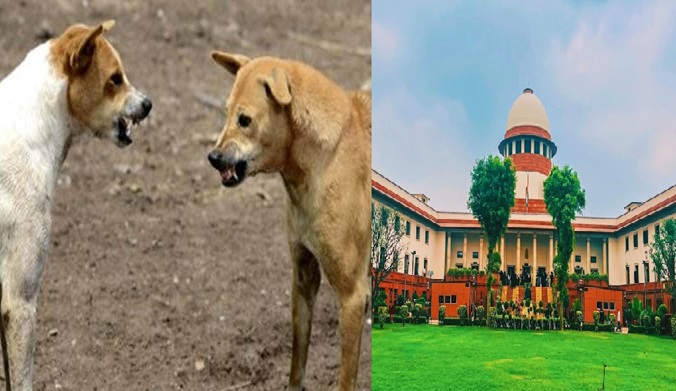
Supreme Court’s decisive order for safer streets
NEW DELHI: August 11, 2025, the Supreme Court of India directed authorities across Delhi and its NCR satellites—including Noida, Ghaziabad, and Gurugram—to remove all stray dogs from residential areas and house them in shelters within eight weeks. This move responds to a worrying rise in dog bites and rabies cases. Any individual or organisation that blocks the exercise will face the strictest action, including contempt of court
Acknowledging the severity, the bench of Justices J.B. Pardiwala and R. Mahadevan emphasized that this is a public-interest directive devoid of emotional bias: “We are not doing this for us; it is for the public interest. So, no sentiments of any nature should be involved,” Justice Pardiwala remarked
Shelters, helpline, CCTV—comprehensive control measures
The Court outlined five key directives:
- Construct dog shelters within eight weeks, with facilities for sterilisation, immunisation, and professional caregiving. These shelters must have CCTV monitoring, and no dog shall be released back
- Begin capturing 5,000 stray dogs in vulnerable areas within six weeks, and continue across the region if needed
- Maintain daily records of all dogs picked up and detained. The Court warned—if any dog is released, it will trigger stern action
- Set up a dog-bite helpline within one week, with a mandate to respond within four hours—authorities must pick up the offending animal, sterilise it, and ensure it’s not released
- Publish detailed data on rabies vaccine availability, including stock, locations, and monthly patient numbers
Political response and government backing
Delhi’s Development Minister Kapil Mishra confirmed that the government would implement the SC orders faithfully and in a time-bound manner, emphasizing public safety and rabies prevention
Legal context and animal welfare debate
The SC took suo motu cognisance of media reports highlighting rising rabies fatalities—most notably the tragic death of a six-year-old girl in Pooth Kalan, Delhi
Importantly, the Court rejected any petitions or interventions from animal rights groups. Justice Pardiwala posed a pointed challenge: “Will animal activists be able to bring back those who have fallen prey to rabies?”
Notably, this ruling clashes with the 2022 advisory from the Animal Welfare Board of India (AWBI), which recommended returning sterilised dogs to their original areas, citing long-term rabies management strategies In contrast, the Supreme Court prioritises immediate public safety over conventional protocols.
What this means for residents and activists
This ruling marks a strict and immediate shift in how urban stray dog populations are managed in Delhi-NCR. Civic bodies are empowered to act swiftly, with support structures like helplines, shelters, and surveillance in place. Residents and RWAs can expect rapid relief from stray dog incidents, but those involved in blocking this mandate may face legal consequences.