
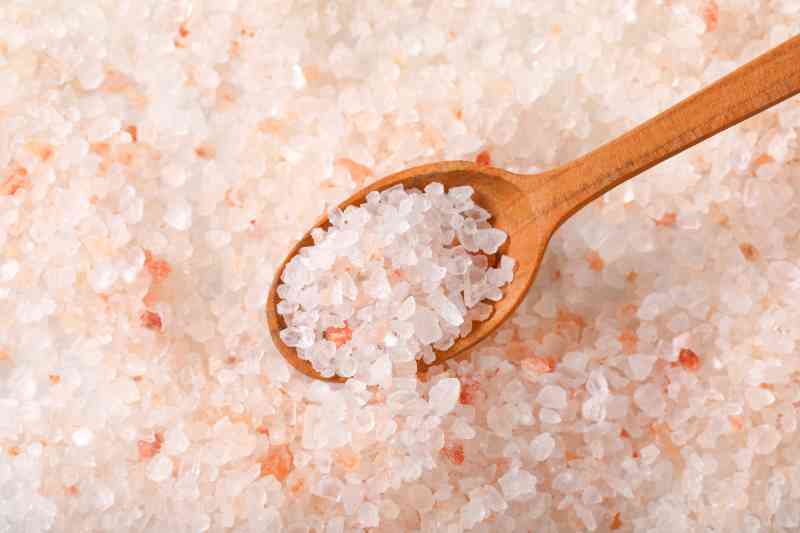
Rock salt, popularly known as sendha namak, is widely considered a healthier alternative to regular table salt. It is commonly used during fasting and is often associated with better digestion and natural mineral content. However, experts warn that excessive intake may lead to several rock salt side effects, especially for people with certain medical conditions.
Although rock salt is generally consumed as part of a balanced diet, moderation remains important. Here are the groups of people who should be cautious about consuming too much rock salt.
High Blood Pressure Patients Should Limit Intake
One of the major rock salt side effects is related to sodium content. Even though it is considered more natural than regular salt, rock salt still contains sodium, which can increase blood pressure levels.
People suffering from hypertension or high blood pressure are advised to consume it carefully, as excessive sodium intake may worsen their condition and increase health risks.
Heart Patients Need To Be Careful
Individuals with heart-related conditions should also avoid consuming excessive amounts of rock salt. High sodium intake can lead to fluid retention and elevated blood pressure, putting additional stress on the heart.
Also read : Instagram Updates Content Policy to Boost Original Creators and Limit Reposted Content Reach
Kidney Patients May Face Health Risks
Kidney disorders can reduce the body’s ability to remove excess sodium efficiently. As a result, consuming too much rock salt may negatively affect kidney function and increase strain on the body.
For people already dealing with kidney disease, monitoring sodium intake becomes especially important to avoid worsening existing health conditions.
Diabetes Patients Should Consume It in Moderation
People with diabetes should also remain cautious about excessive sodium consumption. While rock salt may not directly raise blood sugar levels, it can contribute to high blood pressure and other complications often associated with diabetes.
Managing sodium intake is considered an important part of overall health care for diabetic patients.
Thyroid Patients May Need Iodized Salt
Another important factor linked to rock salt side effects is the absence of iodine. Unlike regular iodized salt, rock salt naturally contains little to no iodine, which is essential for proper thyroid function.
Excessive dependence on non-iodized salt may contribute to thyroid imbalance in some individuals, especially those already dealing with thyroid disorders.
Pregnant Women Should Maintain Balance
During pregnancy, maintaining the right balance of sodium and iodine is important for both maternal and fetal health. Overconsumption of rock salt without proper nutritional balance may affect overall well-being during this sensitive stage.
Pregnant women are generally advised to consult healthcare professionals before making major dietary changes.
Elderly People Should Avoid Excessive Consumption
Older adults often suffer from conditions such as high blood pressure, diabetes, and heart disease. Excess sodium intake may aggravate these health concerns and affect overall wellness.
Because ageing bodies may become more sensitive to sodium, moderation is essential to reduce the risk of rock salt side effects in elderly individuals.
Moderation Remains the Key
While rock salt can still be part of a healthy diet, consuming it excessively may not be suitable for everyone. Experts recommend balanced intake and proper medical guidance, especially for people with existing health conditions.
Understanding possible rock salt side effects can help individuals make safer dietary choices and maintain better overall health.