
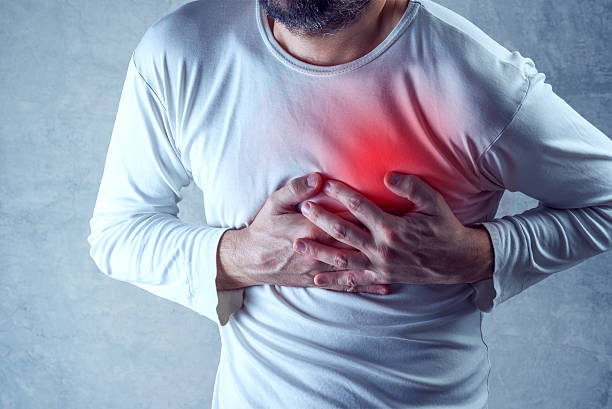
NEW DELHI : Medical professionals consistently emphasize that your heart is the most vital engine in your body. Yet, cardiovascular diseases remain the primary cause of mortality across almost all demographics worldwide. The Indian Heart Association and global health bodies report a alarming rise in cardiac events among younger adults. In India alone, cardiac deaths among individuals under 60 have surged over recent years. Recent health registry data shows that over 19,000 individuals aged 30 to 60 succumbed to heart attacks in a single year, while over 2,500 deaths occurred in young adults aged 18 to 30.
Also Read : Can Chronic Loneliness Shrink Brain Regions? 5 Structural Changes Explained
When people picture cardiac emergencies, they usually envision the cinematic scenario where a person clutches their chest and immediately collapses. Real-life cardiac events rarely unfold with such dramatic clarity. Many individuals dismiss early indicators as minor issues like acid reflux, indigestion, or muscle fatigue. Identifying the earliest warning signs is critical because emergency cardiologists repeat one foundational rule: time is muscle. The faster you recognize what is occurring, the more functional cardiac tissue you preserve.
Primary Indicators of Cardiac Distress
Chest discomfort remains the most common first sign of a heart attack across standard medical evaluations. Patients often expect sharp, stabbing pains, but initial discomfort feels quite different. Most patients describe a heavy, oppressive sensation that builds gradually in the center of the torso.
How Early Chest Discomfort Typically Feels
- Heavy pressure or intense squeezing, often described as an elephant sitting on the chest.
- A dull ache, fullness, or burning sensation centered behind the breastbone.
- Tightness that persists for more than a few minutes or dissipates and returns.
Pain Pathways Beyond the Chest Area
A widespread misconception is that cardiac events only produce pain inside the ribcage. Nerve pathways shared between the heart and upper body cause pain signals to travel outward. You should pay immediate attention if you experience unexplained discomfort spreading upward or outward.
- Left Arm and Shoulders: Pain moving down the left arm is classic, though both arms can feel heavy or aching.
- Jaw and Neck: Upper body discomfort can feel like a dull toothache, jaw tightness, or a sudden sore throat.
- Upper Back: Discomfort frequently concentrates squarely between the shoulder blades.
Recognizing Atypical and Silent Warning Signs
Women, older adults, and individuals with diabetes frequently experience atypical symptoms. For these groups, the first sign of a heart attack might involve no chest pain whatsoever. Recognizing non-traditional symptoms prevents dangerous delays in seeking emergency medical evaluation.
- Unexplained Exhaustion: Sudden, severe fatigue feels like running a marathon while standing still.
- Shortness of Breath: Sudden breathlessness strikes without any physical exertion or movement.
- Cold Sweats and Nausea: Sudden clammy sweats, lightheadedness, or vomiting are often mistaken for the flu or food poisoning.
| Symptom Category | Classic Symptoms | Atypical Symptoms |
| Chest Area | Heavy pressure, tightness, squeezing | Mild fullness, subtle burning |
| Radiating Pain | Left arm pain, shoulder discomfort | Jaw ache, upper back tightness |
| Systemic Signals | Sweating, sudden dizziness | Sudden fatigue, nausea, dyspnea |
Mortality Trends and Cardiac Demographics
Younger populations face an increasing risk of heart attacks. Sedentary routines, high stress, and metabolic factors contribute heavily to these figures.
| Age Group | Annual Recorded Mortality | Primary Reported Factors |
| Aged 18 to 30 | 2,541 deaths | High stress, sedentary habits, poor diet |
| Aged 30 to 60 | 19,238 deaths | Metabolic issues, genetics, undiagnosed hypertension |
Essential Emergency Steps for Cardiac Events
Cardiologists outline a vital protocol if you experience any unexpected sensation from the waist up. Never wait to see if the sensation passes on its own.
- Call Emergency Medical Services: Paramedics start diagnostic tests and treatment immediately upon arrival.
- Rest Quietly: Sit down and remain still to reduce strain on your heart muscle.
- Avoid Self-Medication: Do not consume antacids or basic painkillers, as they delay effective medical treatment.
Taking swift action protects your heart muscle and improves recovery outcomes. Early recognition remains your best safeguard against severe cardiac damage.
(Important Note to readers: This article is for informational purposes only and not a substitute for professional medical advice. Always seek the advice of your doctor with any questions about a medical condition.)