
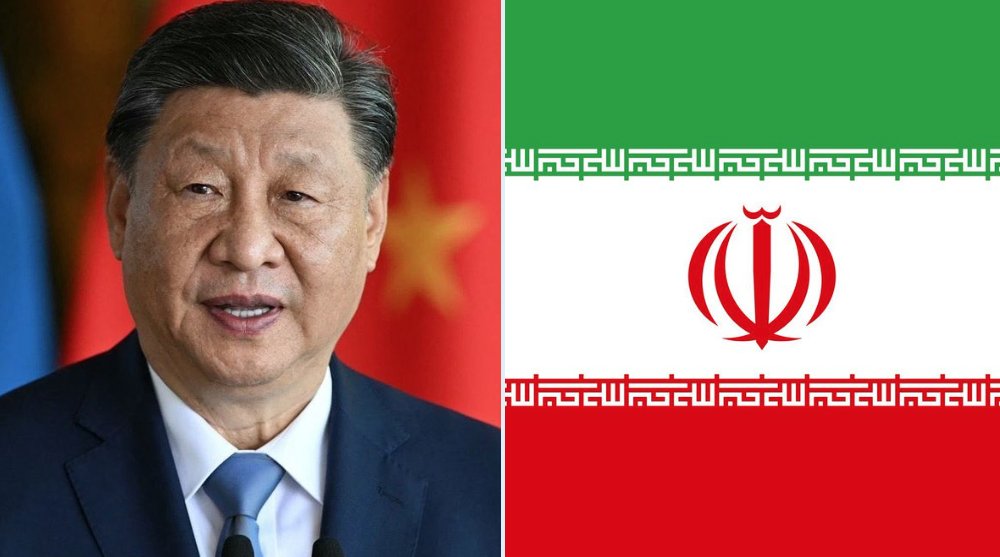
WASHINGTON D.C. — A fragile two-week ceasefire currently holds the Middle East in a tense silence. However, new intelligence reports suggest that China shipping weapons to Iran could soon shatter this peace. US military officials remain on high alert as warships patrol the Gulf. While the ceasefire began on April 8, Tehran is reportedly moving to replenish its depleted arsenal. Specifically, US intelligence indicates that Iran expects to receive sophisticated Chinese air defense systems within the next few weeks.
Beijing has largely avoided direct involvement in the five-week conflict, known as Operation Epic Fury. In fact, Chinese diplomats recently helped mediate the current truce alongside Pakistan. Nevertheless, any direct military aid to Tehran would be seen as a major provocation by Washington. This development carries significant weight as President Donald Trump prepares for a high-stakes visit to Beijing on May 14 to meet President Xi Jinping.
The MANPADS Threat: Why US Intel Is Alarmed
The primary concern for the Pentagon involves the shipment of man-portable air defense systems, commonly known as MANPADS. These shoulder-fired missiles are highly effective against low-flying aircraft and drones. During the recent conflict, Iran utilized similar technology to achieve a rare military feat. Earlier this month, an American F-15E Strike Eagle and a Black Hawk helicopter were brought down by enemy fire. This marked the first time in over two decades that US fighter jets were downed in combat.
Also Read : Artemis II Mission Splashdown: Historic NASA Lunar Flight Returns Safely to Earth
While the Islamic Revolutionary Guard Corps (IRGC) credited an “advanced new system,” experts suspect Chinese or Russian hardware. The HQ-9B, a long-range Chinese missile, has been previously linked to Iranian defense. Furthermore, US intelligence suggests China may route these new shipments through third-party countries to hide their origin. This tactic allows Beijing to maintain “plausible deniability” while supporting its strategic ally.
Beijing’s Denial and the $1 Trillion Trade Risk
The Chinese embassy in Washington has issued a stern denial regarding the China shipping weapons to Iran allegations. Spokespersons labeled the claims as “baseless sensationalism” and urged the US to focus on de-escalation. China consistently maintains that it does not provide weapons to any party in the Middle East conflict. However, the economic ties between the two nations are undeniable. China currently imports over 80% of Iran’s crude oil, making Tehran a vital energy partner.
Moreover, Russia is also increasing its support. Leaked documents suggest a deal for 500 “Verba” short-range missile launchers was signed earlier this year. These Russian systems are among the most capable in the world. If both Chinese and Russian systems flood into Iran during this two-week truce, the technological gap for US air superiority could narrow.
The Impact on the Trump-Xi Summit
The timing of these intelligence leaks is critical for global diplomacy. President Trump recently announced a 50% tariff on any country found supplying weapons to Iran. This aggressive trade stance aims to squeeze Tehran’s support network before the May summit in Beijing. Despite the ceasefire, the “trust deficit” between Washington and Beijing is wider than ever.
As both sides assess their gains and losses, the world watches the Strait of Hormuz. Iran has successfully leveraged this 33 km-wide channel as a geopolitical “center of gravity.” If the ceasefire holds, negotiations will move to Islamabad. However, if the reports of China shipping weapons to Iran prove true, the “cold phase” of this war may quickly turn hot again.