
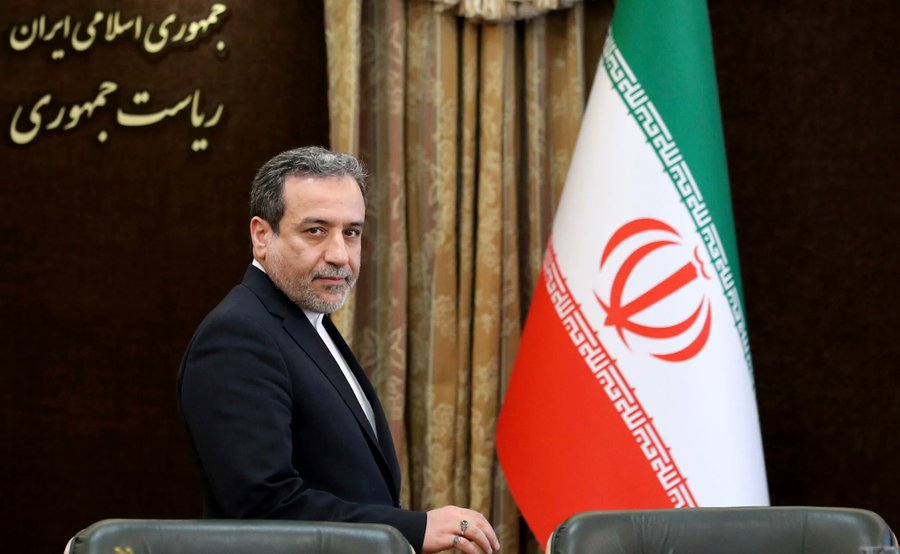
Iran Warns of Everlasting Consequences After US Bombs Nuclear Sites
In a sharp escalation of tensions between Tehran and Washington, Iran has issued a stern warning following U.S. airstrikes on three of its key nuclear facilities—Fordow, Natanz, and Esfahan. Iranian Foreign Minister Seyed Abbas Araghchi condemned the attacks, calling them a “grave violation” of international law and the UN Charter, and warned of lasting repercussions.
The United States, a permanent member of the United Nations Security Council, has committed a grave violation of the UN Charter, international law and the NPT by attacking Iran’s peaceful nuclear installations.
The events this morning are outrageous and will have everlasting…
— Seyed Abbas Araghchi (@araghchi) June 22, 2025
The airstrikes, carried out overnight, mark one of the most direct and provocative actions taken by the U.S. against Iran in recent history. The strike comes amid heightened tensions in the Middle East, including the ongoing conflict between Israel and Iran.
Iran Accuses US of “Criminal Behavior”
Posting on X (formerly Twitter), Foreign Minister Araghchi described the U.S. military operation as “criminal behavior” that blatantly violated the Nuclear Non-Proliferation Treaty (NPT) and international norms.
“The events this morning are outrageous and will have everlasting consequences. Each and every member of the UN must be alarmed over this extremely dangerous, lawless and criminal behavior,” Araghchi posted.
He also emphasized that Iran reserves the right to self-defense under Article 51 of the UN Charter, suggesting that a military or cyber response could follow if the situation escalates.
US Deploys Bunker Busters and Tomahawk Missiles
According to reports, the U.S. used advanced military technology to target deeply buried Iranian nuclear infrastructure. President Donald Trump confirmed in a media briefing that six bunker-busting bombs were deployed on the Fordow facility.
Fox News host Sean Hannity added that 30 Tomahawk missiles were launched from U.S. Navy submarines stationed approximately 400 miles away, successfully targeting Natanz and Esfahan, both of which are crucial to Iran’s uranium enrichment program.
Trump hailed the operation as an “amazing success,” adding:
“We had to take decisive action to prevent further escalation. Iran must now choose peace over provocation. If not, more strikes will follow.”
Tehran’s Response and Global Alarm
Iran’s statement did not outline immediate retaliation but hinted at multiple options under review. Araghchi’s message was not just directed at the United States but also urged the global community to take notice and act against what Tehran described as “a reckless breach of global security norms.”
Iran’s ambassador to the United Nations is expected to bring up the matter in an emergency session of the UN Security Council, where discussions around violations of international law and escalation in the region are anticipated.
Legal Ramifications Under the UN Charter
Iran’s foreign minister cited specific provisions in the UN Charter that recognize a nation’s right to respond in self-defense when its sovereignty is under threat. Legal experts say the situation could lead to a prolonged legal and diplomatic battle at international forums.
“There’s a legal and humanitarian dimension here. Iran will likely push for condemnation of U.S. actions at the UN and seek diplomatic support from non-aligned and developing nations,” said Dr. Leila Rahimi, a Tehran-based international law expert.
Rising Regional Tensions
This strike significantly raises the stakes in the Middle East, already on edge due to hostilities between Iran and Israel. Military analysts warn that Iran may retaliate by targeting U.S. assets or allies in the region, including through cyberattacks or proxy groups in Lebanon, Syria, and Iraq.
Iranian military officials have reportedly increased alert levels across the country. Videos circulating online show heightened security around nuclear installations and mass mobilization of Iran’s Revolutionary Guard units.