
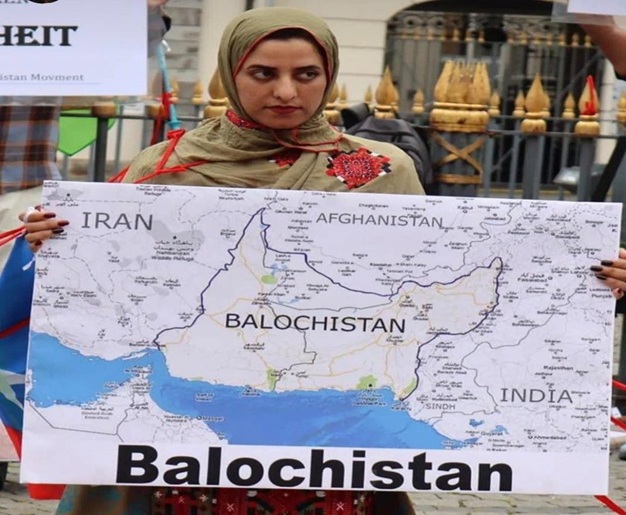
Balochistan Declares Independence from Pakistan: A New Bangladesh Moment?
On May 14, 2025, a historic declaration from Mir Yar Baloch and fellow Baloch leaders shook South Asia and reverberated across global diplomatic corridors. With a simple yet momentous proclamation, the Republic of Balochistan was born—marking what many are calling a “Bangladesh moment” for Pakistan. Decades of marginalization, military oppression, and cultural erasure culminated in this definitive rupture with Islamabad, as Baloch leaders called time on Pakistan’s colonial control.
A Long Road to Freedom: The Baloch Struggle
Balochistan’s quest for self-rule predates the creation of Pakistan. When British India was partitioned in 1947, the princely state of Kalat, which comprises much of modern-day Balochistan, declared independence based on treaties with the British Crown. However, in March 1948, Pakistan’s military annexed the region, in what many historians label a coerced and illegal takeover.
Since then, the region has witnessed five major insurgencies, fueled by economic exploitation, ethnic suppression, and human rights violations. Thousands have perished. Activists and students have disappeared without trace. Resources have been looted while local populations remained impoverished.
The May 14 Declaration: A Watershed Moment
The declaration, issued from an undisclosed location, named Mir Yar Baloch as the provisional head of state of the Republic of Balochistan. Flanked by other Baloch political figures and supported by a coordinated social media campaign, the statement cited Pakistan’s decades-long “military occupation, cultural genocide, and denial of democratic rights” as the reasons for secession.
“The Republic of Balochistan is no longer a dream—it is our destiny,” said the declaration, urging international recognition and pledging to uphold democratic principles, minority rights, and peaceful coexistence with neighbors.
Pakistan in Crisis: Echoes of 1971
The move immediately invited comparisons to the secession of East Pakistan in 1971, which led to the birth of Bangladesh. Much like East Pakistan, Balochistan has long accused the Punjabi-dominated central government of economic plunder and systemic marginalization.
For Islamabad, the timing couldn’t be worse. Facing internal political instability, economic collapse, and waning military cohesion, Pakistan now finds itself on the back foot. The symbolic rupture with Balochistan could catalyze wider unrest in regions like Sindh and Gilgit-Baltistan, where sentiments of alienation persist.
India’s Strategic Opportunity
India, which supported Bangladesh’s liberation in 1971, now finds itself at a similar historical crossroad. By recognizing Balochistan’s independence, India could achieve multiple strategic goals:
- Disrupt Pakistan’s access to the Arabian Sea via Gwadar.
- Undermine the China-Pakistan Economic Corridor (CPEC)—a $62 billion flagship of China’s Belt and Road Initiative.
- Expose Pakistan’s double standards on self-determination, especially regarding Kashmir.
Indian strategic circles have long advocated moral and diplomatic support to the Baloch cause. Now, with a formal declaration in hand, that opportunity is ripe.
Global Reactions and Diplomatic Ripples
While the Indian government has yet to issue an official response, several Indian politicians and ex-diplomats have voiced support for the Baloch cause on social media. Human rights organizations are calling for an immediate investigation into Pakistan’s actions in Balochistan, citing years of documented abuses.
The United Nations has not issued a statement, though sources suggest that emergency consultations are underway among key Security Council members. China, a key stakeholder via CPEC, is reportedly urging restraint from all sides, but is monitoring developments with growing concern.