
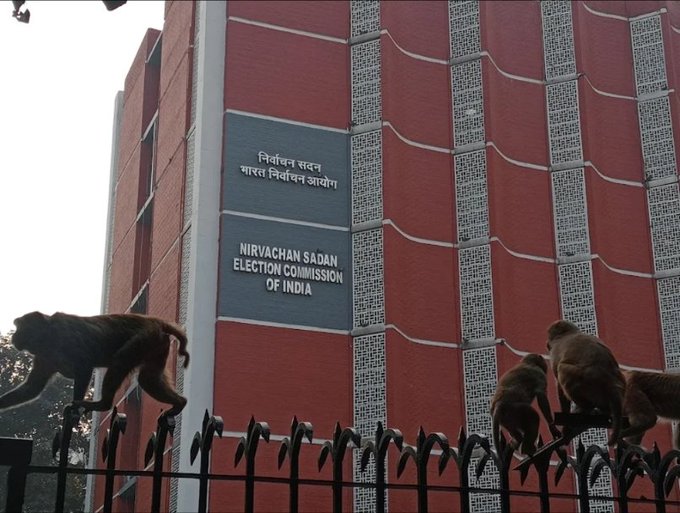
LUCKNOW — The final results of the Special Intensive Revision (SIR) in Uttar Pradesh have sent shockwaves through the state’s political landscape. While the exercise aimed to sanitize the electoral rolls, the data reveals a startling trend: the UP voter roll revision has hit Bharatiya Janata Party (BJP) bastions significantly harder than traditional Muslim-dominated belts. According to the final list published on April 10, 2026, the state’s overall voter base shrank by 13.24 per cent, marking the second-highest deletion rate in India after Gujarat.
In total, approximately 2.04 crore names were removed from the electoral rolls across 75 districts. Interestingly, this data appears to validate an earlier concern raised by Chief Minister Yogi Adityanath. He had previously claimed that a disproportionate number of BJP supporters might find their names struck off during the cleanup. The final figures now confirm that predominantly urban and BJP-leaning districts faced the most aggressive downsizing.
Urban Centers Lead in Voter Deletions
Lucknow, the state capital and a historic BJP stronghold, recorded the highest percentage of deletions in the state. The electorate in Lucknow shrank by a massive 23 per cent, with over 9.14 lakh names removed. Ghaziabad followed closely in second place, seeing a reduction of over 20 per cent. Other key urban centers, including Kanpur, Noida, and Meerut, also witnessed substantial reductions hovering between 18 and 19 per cent.
Also Read : UP CM Yogi Renames Miyanpur Village and Distributes Land Rights in Lakhimpur Kheri
In absolute numbers, the districts of Prayagraj, Agra, and Ghaziabad joined Lucknow at the top of the deletion list. Most of these areas are predominantly urban and have consistently voted for the saffron party in recent cycles. Officials stated that the high urban deletion rate often stems from permanent migration and duplicate entries in rapidly growing metropolitan zones. However, the sheer scale has caught party strategists by surprise.
Disparity in Muslim-Dominated Districts
In contrast to the urban surge, districts with significant Muslim populations recorded deletions well below the state average. In Bijnor, Moradabad, and Saharanpur, the reduction in voters remained between 10 to 12 per cent. Similarly, Muzaffarnagar, where Muslims constitute nearly 40 per cent of the population, saw deletions significantly lower than the 13.24 per cent state benchmark.
While the BJP-dominated areas averaged over 20 per cent in voter removals, the Muslim-dominated districts saw roughly half that rate. This disparity has sparked intense debate among political analysts. While the Election Commission maintains the process was transparent and notice-based, the opposition, led by the Samajwadi Party (SP), has flagged potential irregularities. SP president Akhilesh Yadav previously accused the commission of bias, though the current data suggests the ruling party has faced the brunt of the “clean-up.”
Political Implications for 2027
The UP voter roll revision results may force the BJP to rethink its grassroots strategy ahead of the 2027 Assembly elections. Despite the 2.04 crore deletions, the state also saw a record 92.4 lakh new additions, bringing the total electorate to 13.39 crore. Chief Electoral Officer Navdeep Rinwa noted that the gender ratio has improved to 834 females per 1,000 males, and first-time voters in the 18-19 age group have risen to 17.6 lakh.
Nevertheless, the shrinkage in core urban bases remains a tactical concern. The BJP has traditionally been the strongest proponent of “cleaning” electoral rolls to prevent bogus voting. However, the loss of over 20 per cent of the electorate in its “safe” seats creates a new challenge for booth-level management. As the 166-day SIR exercise concludes, both the ruling party and the opposition are expected to launch massive drives to re-register “missing” supporters through Form-6.