
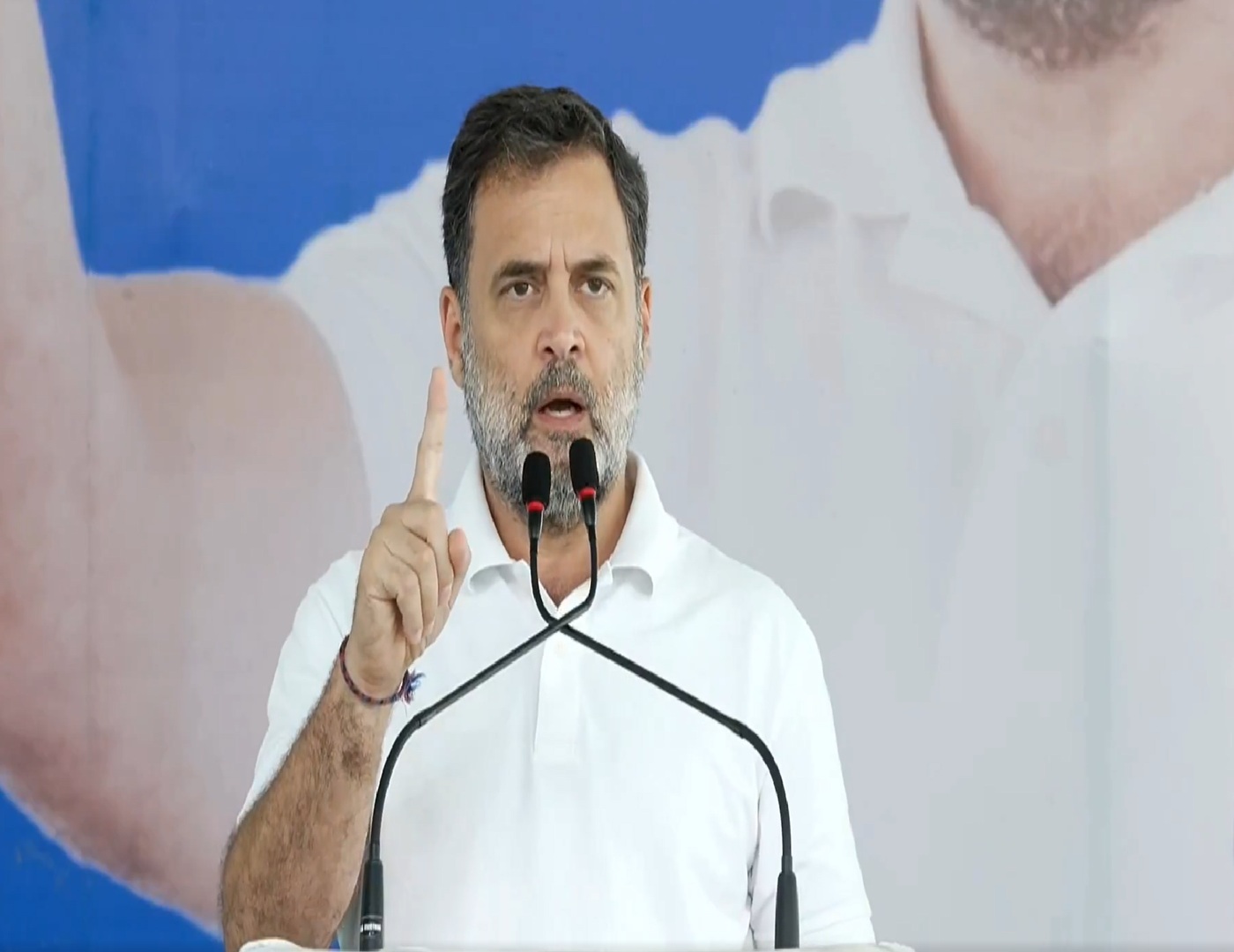
LUCKNOW — In a dramatic turn of events, a judge at the Allahabad High Court has recused himself from hearing a Rahul Gandhi citizenship plea. Justice Subhash Vidyarthi withdrew from the case on Monday, April 20, 2026. This decision follows a highly publicized controversy regarding the dual citizenship of the Congress MP. The judge requested the Chief Justice to assign the matter to a different bench. This withdrawal adds a new layer of complexity to the legal battle involving the Leader of Opposition in the Lok Sabha.
The recusal comes after Justice Vidyarthi noted a procedural oversight in his previous proceedings. On April 17, he had dictated an order in open court. That order directed the Uttar Pradesh Police to register an FIR against Gandhi. However, the judge soon realized that notice must be issued to the accused first. Under binding high court precedents, a court cannot pass such an order without hearing the proposed accused. Consequently, the judge did not sign the order. He instead posted the matter to clarify these legal requirements before ultimately stepping down.
Also Read : Massive Fire Breaks Out in Noida Phase 1 Company, Firefighters Rush to Contain Blaze
Judge Slams Petitioner for Misleading Social Media Posts
During Monday’s hearing, Justice Vidyarthi expressed deep disappointment with the petitioner, S Shishir Vignesh. Vignesh is a BJP worker from Karnataka who sought a probe into Gandhi’s alleged British citizenship. The judge took strong exception to several social media messages posted by Vignesh after the April 17 session. According to the court, these posts amounted to casting aspersions on the judiciary. Justice Vidyarthi noted that such conduct made it inappropriate for him to continue presiding over the case.
Furthermore, the judge criticized the legal representation in the matter. He observed that the lawyers failed to provide fair and proper assistance to the court. “I am pained to note the lack of duty shown by the appearing counsel,” the judge remarked. Transitioning from the procedural errors to the petitioner’s behavior, the court emphasized that judicial integrity must be maintained. The case involves serious allegations under the Foreigners Act and the Official Secrets Act. Therefore, fair legal assistance is a mechanical necessity for such high-stakes litigation.
Background of the Dual Citizenship Controversy
The Rahul Gandhi citizenship plea has its roots in a complaint filed at a special MP/MLA court in Rae Bareli. The case was transferred to the Lucknow Bench in December 2025. The petitioner alleges that Gandhi holds British citizenship, which would violate Indian law. Moreover, the plea seeks an investigation into potential violations of the Passport Act. Earlier this year, the bench had summoned records from the Union Ministry of Home Affairs (MHA). Although the MHA produced these documents, the court has not yet examined them.
Legal experts suggest that the recusal might delay the proceedings significantly. The Chief Justice must now identify a new bench to hear the arguments from scratch. Meanwhile, the Congress party has consistently dismissed the allegations as politically motivated. They maintain that the citizenship issue was settled years ago. Nevertheless, the petitioner continues to push for a detailed FIR and a forensic probe into Gandhi’s international travel records.
Legal Standards and the Road Ahead
The requirement to hear the accused before directing an FIR is a cornerstone of Indian criminal jurisprudence. Justice Vidyarthi’s decision to pause the order reflects a commitment to these due process standards. Additionally, the recusal highlights the growing tension between judicial proceedings and social media commentary. In 2026, judges are increasingly vigilant about how their verbal observations are misrepresented online.
The outcome of the Rahul Gandhi citizenship plea now rests with the new bench. The court must decide if there is enough evidence to warrant a criminal investigation. If the court finds merit in the plea, it could have significant political ramifications. Conversely, if the plea is dismissed, it may end years of speculation regarding Gandhi’s nationality. For now, the legal community awaits the Chief Justice’s decision on the new assignment.