
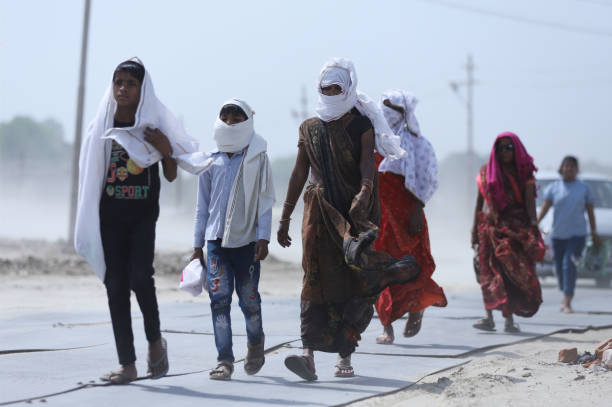
Rajasthan Heatwave: Jaipur, Sriganganagar Scorch Under Record Temperatures
Jaipur, June 14, 2025: Rajasthan is reeling under an unforgiving heatwave, with the state recording some of the highest temperatures in the country this summer. Jaipur experienced its hottest morning of the season on Friday, clocking in a minimum temperature of 33.6°C, while Sriganganagar sizzled at a blistering 49.4°C, marking the highest temperature recorded across India.
With temperatures persistently soaring well above seasonal norms, daily life across Rajasthan’s cities has been severely disrupted—from deserted streets and shuttered shops to acute water and electricity shortages.
Sriganganagar Emerges as Hottest Spot in India
Sriganganagar, a district bordering Pakistan, retained the grim distinction of being the hottest place in the country, with the mercury surging past the 49°C mark. According to the India Meteorological Department (IMD), this is the second time this month the region has crossed 49°C, reflecting an alarming trend driven by a long spell of dry, north-westerly winds and minimal cloud cover.
Jaipur’s Hottest Morning in Years
In Jaipur, the minimum temperature of 33.6°C made Friday the hottest morning recorded this season. As the day progressed, the city recorded a maximum temperature of 44.5°C, which is 4.4°C above normal, leaving the city nearly paralyzed during the peak afternoon hours.
By mid-afternoon, streets across the capital—particularly in markets like Johari Bazaar and Bapu Bazaar—wore a deserted look, with shopkeepers closing early due to low footfall and unbearable heat.
Infrastructure Strained: Water and Power Shortages Hit Jaipur
As temperatures soared, basic infrastructure came under intense stress:
- Water Shortages: Several localities in Jaipur, especially in the Walled City, reported irregular and reduced water supply.
- Power Cuts: With the power grid under heavy demand due to increased AC and cooler usage, abrupt power cuts were reported across the city.
Residents, especially the elderly and children, bore the brunt of the crisis, as prolonged outages coincided with the hottest hours of the day.
“We had no water for two days. With this kind of heat, it’s becoming dangerous for our children,” said Rekha Meena, a resident of Shastri Nagar.
Civic Bodies and Locals Step Up Relief Measures
In a bid to offer some respite:
- Anti-smog guns were deployed across the Walled City and industrial areas like Vishwakarma and Harmada, spraying water to cool the streets till late evening.
- Local market associations and Jaipur Municipal Corporation (Heritage) installed public water stations near temples and mosques.
“We’ve placed earthen pots and cold water containers outside every religious place in our ward,” said Mohammed Zakaria, a local councillor. “It’s a small step, but essential in these harsh conditions.”
Businesses Bear the Heat
Local businesses, particularly in tourist-heavy areas, have suffered immensely:
“There’s hardly any customer. We open in the morning and wrap up by 2 pm. It’s better to stay safe,” said Ramesh Jhalani, a shopkeeper in Haldiyon Ka Rasta.
Tourism, which contributes significantly to Jaipur’s economy, is also seeing a sharp decline in footfall.
Situation in Other Cities: Bikaner, Churu, Hanumangarh
The heatwave has not spared other districts. Cities like:
- Bikaner
- Churu
- Hanumangarh
- Sangariya
also recorded extreme temperatures exceeding 45°C, prompting civic authorities to adopt similar water-sprinkling and public hydration initiatives.
Weather Forecast: Mild Relief Ahead?
According to the India Meteorological Department, there is a possibility of mild rainfall in select regions on Saturday, particularly in the Bharatpur, Udaipur, and Kota divisions. However, no major drop in temperature is expected, and the heatwave is likely to persist for the next few days.
Expert Opinion: Climate Change Driving Extreme Heat
Meteorologists and climate scientists warn that the intensity and frequency of heatwaves in India are increasing due to climate change.
“The rising minimum temperatures—like Jaipur’s 33.6°C—are even more dangerous because the body doesn’t get time to cool down at night,” noted Dr. S.K. Sharma, a climate expert.