
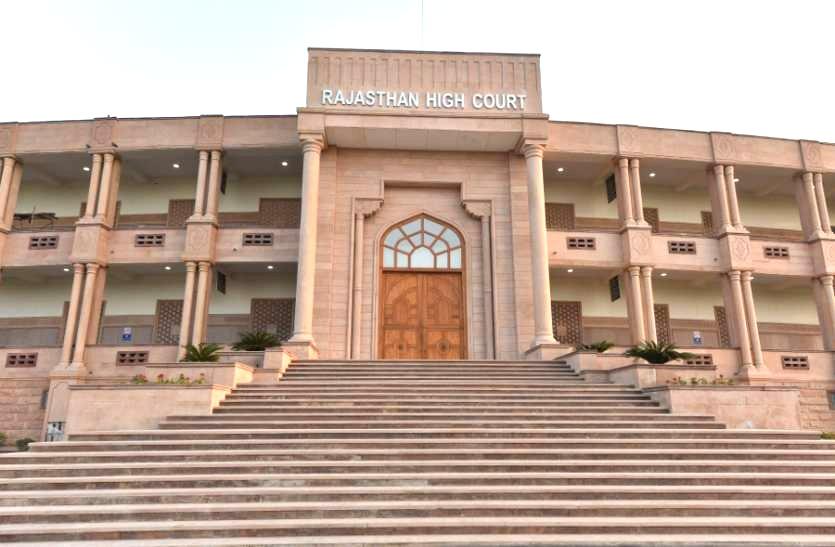
Rajasthan HC Puts Hold on Arrest Warrant Against JDC Anandhi in Consumer Dispute Case
Jaipur, May 27, 2025 — In a significant legal development, the Rajasthan High Court has stayed the bailable arrest warrant issued against Jaipur Development Commissioner (JDC) Anandhi by the District Consumer Disputes Redressal Commission, Jaipur-II, in a consumer complaint regarding a pending refund.
The decision came after JDC Anandhi’s legal team filed a petition challenging the warrant, arguing that her appearance through legal counsel should have satisfied the Commission’s requirements.
Background of the Consumer Dispute
The case stems from a November 10, 2023, order by the District Consumer Commission, directing the Jaipur Development Authority (JDA) to refund Rs 2,02,613 to Raj Singh Ajmera, a resident of Jhotwara, Jaipur, along with 9% annual interest and Rs 40,000 as compensation for inconvenience.
Ajmera had reportedly filed a complaint against the JDA for failing to fulfill certain obligations, prompting the Commission to issue the refund order. However, the JDA allegedly did not act on the order even after receiving a legal notice on January 25, 2024.
Issuance of Arrest Warrant by Consumer Commission
Due to the lack of compliance, the Commission issued a bailable arrest warrant against JDC Anandhi, rejecting a plea from her legal representative seeking additional time to carry out the refund. The Commission went further, directing the Jaipur Police Commissioner to ensure her physical appearance before the Commission by December 18, 2024.
The Commission’s strict stance came after repeated delays and what it perceived as non-compliance with a binding directive.
High Court Intervenes, Grants Temporary Relief
The Rajasthan High Court, while hearing the petition, was informed by Anandhi’s legal counsel that the Commissioner had not wilfully disobeyed the order. The counsel argued that:
- Legal representation was present during proceedings.
- Efforts were already underway to process the refund.
- There was no deliberate attempt to avoid compliance.
Taking these arguments into account, the High Court issued notice to the complainant and instructed all parties to submit responses within two weeks. Until the next hearing, the arrest warrant will remain in abeyance, providing temporary relief to JDC Anandhi.
Legal Implications and Next Steps
The High Court’s intervention has paused the arrest warrant, but the case remains open. If the JDA fails to demonstrate genuine compliance or intent to resolve the matter during the upcoming hearing, further legal action could resume.
This case has drawn attention to the accountability of urban development bodies in consumer matters and the powers exercised by consumer courts to enforce their orders, including the issuance of bailable or non-bailable warrants in extreme cases of non-compliance.
Public Reaction and Broader Impact
While legal experts have emphasized that the consumer court acted within its jurisdiction, the High Court’s stay reflects a recognition that bureaucratic processes and legal representations should be duly considered before issuing personal arrest orders against senior officials.
The case also sheds light on the increasing assertiveness of consumer forums in India and their ability to hold even top government functionaries accountable for delays or dereliction of duty.