
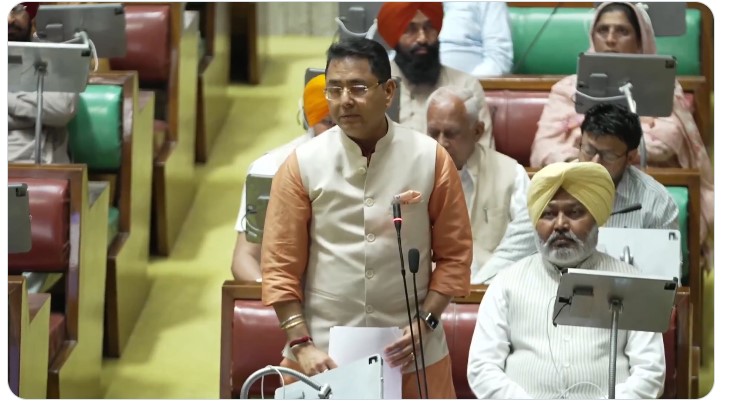
In the special session of the Punjab Legislative Assembly, Cabinet Minister and AAP Punjab President Aman Arora strongly defended the state government’s legislative approach, stating that the Punjab Amendment Bill 2026 clearly defines the objective of protecting religious sentiments and addressing gaps left by previous administrations.
He said that the Punjab Amendment Bill 2026 has been designed with a clear intent to strengthen provisions related to religious respect and prevent any form of sacrilege, unlike earlier laws that, according to him, lacked effective safeguards.
Also read : Aam Aadmi Pind Clinics to Cover All 12,500 Villages in Punjab
Aman Arora Criticises 2008 Law, Praises Punjab Amendment Bill 2026
Aman Arora further criticized earlier governments, particularly referring to legislation brought in 2008 by the Shiromani Akali Dal, stating that while those laws mentioned procedural aspects, they failed to include strong measures to prevent acts of sacrilege. He said that the Punjab Amendment Bill 2026 addresses these long-standing shortcomings.
The minister added that the Punjab Amendment Bill 2026 reflects the present government’s commitment to ensuring accountability and justice in sensitive religious matters, and is aimed at closing legal loopholes that existed in older frameworks.
ਨਵੇਂ ਸੋਧ ਬਿਲ ਵਿੱਚ ਮਾਨ ਸਰਕਾਰ ਦਾ ਉਦੇਸ਼ ਸਪਸ਼ਟ ਹੈ ਜਦਕਿ ਪਿਛਲੀਆਂ ਸਰਕਾਰਾਂ ਵੱਲੋਂ ਲਿਆਂਦੇ ਐਕਟਾਂ ਵਿੱਚ ਸਿਰਫ਼ ਖਾਨਾਪੂਰਤੀ ਕੀਤੀ ਗਈ ਸੀ। ਅਕਾਲੀ ਦਲ ਵੱਲੋਂ 2008 ਵਿੱਚ ਲਿਆਂਦੇ ਐਕਟ ਵਿੱਚ ਗੋਲਕਾਂ ਦੀ ਭੇਟਾ ਕਿਸ ਨੇ ਸਾਂਭਣੀ ਹੈ, ਇਹ ਤਾਂ ਜ਼ਿਕਰ ਹੈ ਪਰ ਬੇਅਦਬੀ ਰੋਕਣ ਬਾਰੇ ਕੋਈ ਜ਼ਿਕਰ ਹੀ ਨਹੀਂ ਕੀਤਾ ਗਿਆ।
–@AroraAmanSunam… pic.twitter.com/DLzfT9c0Zs
— AAP Punjab (@AAPPunjab) April 13, 2026
He emphasized that the Punjab Amendment Bill 2026 is not just a legal reform but a step towards safeguarding faith and maintaining communal harmony in the state. According to him, the bill represents a corrective measure to strengthen Punjab’s legal structure.
Aman Arora concluded that the Punjab Amendment Bill 2026 demonstrates the Mann government’s focus on transparent governance and its resolve to protect religious institutions and sentiments more effectively than in the past.