
Punjab’s Mann government has announced a major expansion in rural healthcare with the rollout of Aam Aadmi Pind Clinics, aimed at strengthening primary medical services across villages and ensuring doorstep healthcare for underserved populations.
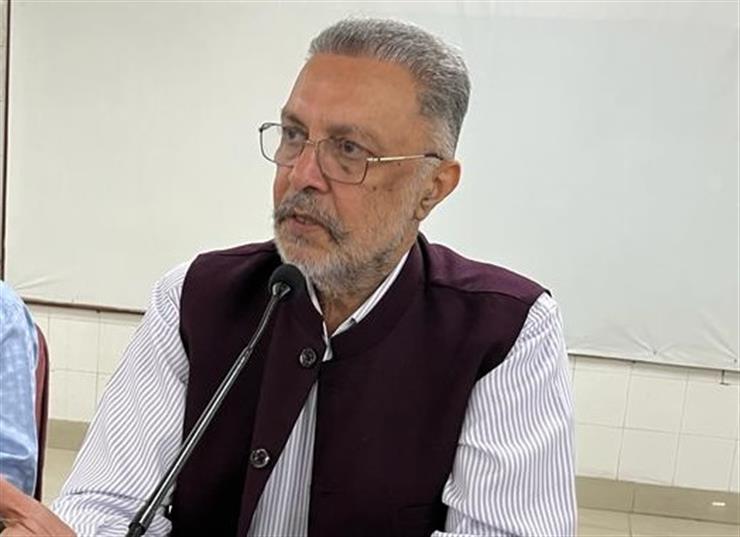
Health Minister Dr. Balbir Singh stated that in the first phase, the government will establish 1,100 Aam Aadmi Pind Clinics across the state. The initiative is part of a broader plan to scale up to 2,500 clinics, ultimately covering all 12,500 villages in Punjab.
Mann govt expands rural healthcare with 1,100 ‘pind clinics’
🔸 Health Minister @AAPbalbir announced rollout of 1,100 Aam Aadmi Pind Clinics in first phase, aiming to scale up to 2,500 clinics covering all 12,500 villages.
🔸 Pind Clinics to provide primary care, diagnostics &… pic.twitter.com/Hl1QkNcqSa
— AAP Punjab (@AAPPunjab) April 13, 2026
The Aam Aadmi Pind Clinics will function as rural health hubs offering primary care services, basic diagnostics, and free medicines. Each clinic will operate on an ANM (Auxiliary Nurse Midwife) and pharmacist-based model, ensuring efficient frontline healthcare delivery.
Aam Aadmi Pind Clinics to Cover All 12,500 Villages in Punjab
Officials highlighted that the Aam Aadmi Pind Clinics will also include tele-consultation services, allowing patients in rural areas to connect with qualified doctors remotely. This hybrid model is designed to reduce the burden on district hospitals while improving access to timely treatment in villages.
Also read : Punjab Launches ₹550-Crore Roshan Punjab Yojna to Light Up 13,000 Villages
According to the Health Department, the Aam Aadmi Pind Clinics initiative reflects the government’s commitment to strengthening rural healthcare infrastructure and bridging the urban-rural healthcare gap. The model focuses on preventive care, early diagnosis, and continuous monitoring of patients.
Dr. Balbir Singh emphasized that the Aam Aadmi Pind Clinics will play a key role in transforming Punjab’s healthcare system by bringing essential medical services directly to people’s doorsteps, especially in remote and underserved areas.