
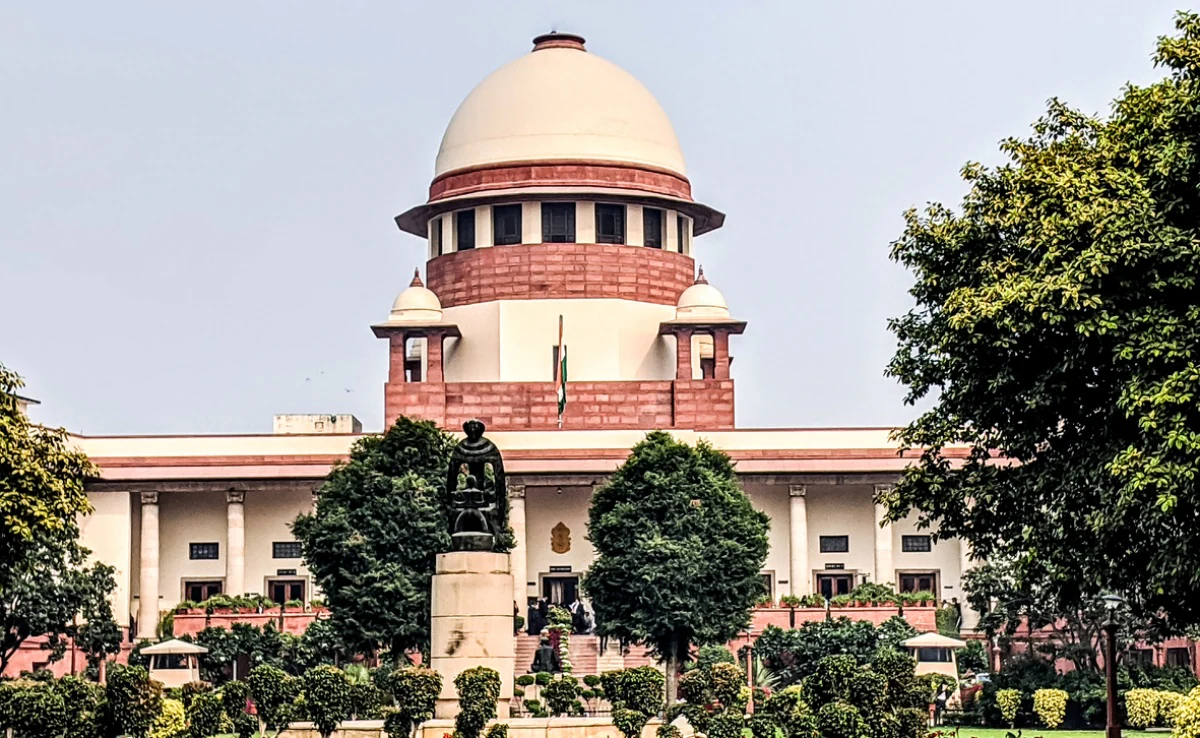
The Supreme Court of India on Friday raised concerns over making menstrual leave a statutory right, cautioning that such a move could unintentionally impact women’s employment opportunities. During a hearing on a petition seeking directions to states to frame rules for menstrual leave, Chief Justice Surya Kant warned that mandatory provisions might discourage employers from hiring women.
“If we make it compulsory by law, employers will not hire women,” the Chief Justice said, emphasizing that legally enforced period leave could create perceptions that women are “less than men” or incapable of performing equally in professional environments.
Petition Seeks Nationwide Menstrual Leave
The petition, filed by lawyer Shailendra Mani Tripathi, requested that menstrual leave be recognized for female students and working women across India. Advocates argue that formal recognition of menstrual leave would acknowledge the physical challenges women face and ensure dignity in both educational institutions and workplaces.
However, the Supreme Court stressed that making menstrual leave mandatory could unintentionally reinforce stereotypes about menstruation, potentially sidelining women in government services, the judiciary, and other professional sectors.
Examples of Voluntary Menstrual Leave Policies
Senior Advocate M.R. Shamshad highlighted instances of voluntary menstrual leave policies in India. The state of Kerala introduced menstrual leave for female students in state universities in 2013, supported by Chief Minister Pinarayi Vijayan, as a step towards promoting gender equality.
Also read ; Assam STF Busts Terror Module in Barpeta: Two Suspects Arrested
Several private companies have also adopted voluntary menstrual leave, allowing women to take leave during menstruation without legal obligations. The court noted that voluntary menstrual leave differs significantly from statutory mandates.
Court’s Earlier Stand on Menstrual Health
The discussion comes after a landmark ruling recognizing menstrual health as a fundamental aspect of dignity and well-being. In January, a bench led by Justices J.B. Pardiwala and R. Mahadevan ruled that menstrual health is part of a girl child’s right to life, dignity, health, and education under Article 21 of the Constitution.
The court directed governments to provide free sanitary napkins, maintain functional gender-segregated toilets, and promote awareness campaigns on menstrual health. While voluntary period leave can be beneficial, the Supreme Court emphasized that making it mandatory could have unintended consequences in workplaces.
The Supreme Court’s observations underline the delicate balance between protecting women’s health and ensuring equality in employment. Voluntary period leave policies, rather than legally mandated ones, appear to be the preferred approach for fostering workplace inclusion without negatively impacting hiring decisions.