
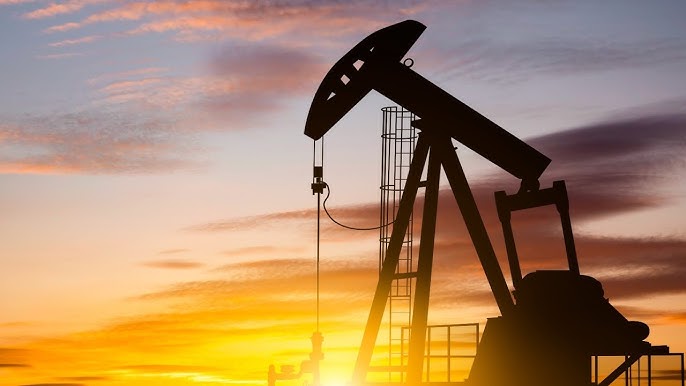
The ongoing conflict involving Iran has triggered a global oil crisis, disrupting supply through the Strait of Hormuz, a critical chokepoint for the world’s energy shipments. As a result, oil prices have surged to $112 per barrel, while gasoline in the United States has reached $5 per gallon. Rising transportation costs are pushing prices higher for everyday goods, from groceries to imported items.
The global oil crisis is also affecting agriculture. Fertilizers, which rely on shipments through Hormuz, are becoming harder to source, raising concerns about food security in multiple countries.
Travel Disruptions and Fuel Shortages Disrupt Daily Life
The impact on daily life is already evident. United Airlines has cut its flights by 5% this week, with other carriers following suit. Air travel is becoming both more expensive and harder to access. Governments are advising people to limit non-essential travel, echoing the COVID-era restrictions. Japan and South Korea have introduced fuel rationing and energy vouchers, while countries like Bangladesh, the Philippines, and Sri Lanka are experiencing long queues at petrol stations.
Also read : Peravoor Election 2026: K K Shailaja Challenges Sunny Joseph in Key Kannur Contest
India, which imports nearly 80% of its oil through Hormuz, faces increasing economic pressure, while Pakistan’s already fragile economy has been further strained by the global oil crisis. Australia is urging citizens to reduce non-essential travel, highlighting the worldwide ripple effects of the supply disruption.
Experts warn that if oil prices continue to climb, these measures could expand across multiple countries, potentially evolving into long-term digital systems regulating vehicle use, travel, and household energy consumption. The global oil crisis is thus shaping up as a major challenge for governments, businesses, and citizens worldwide.