
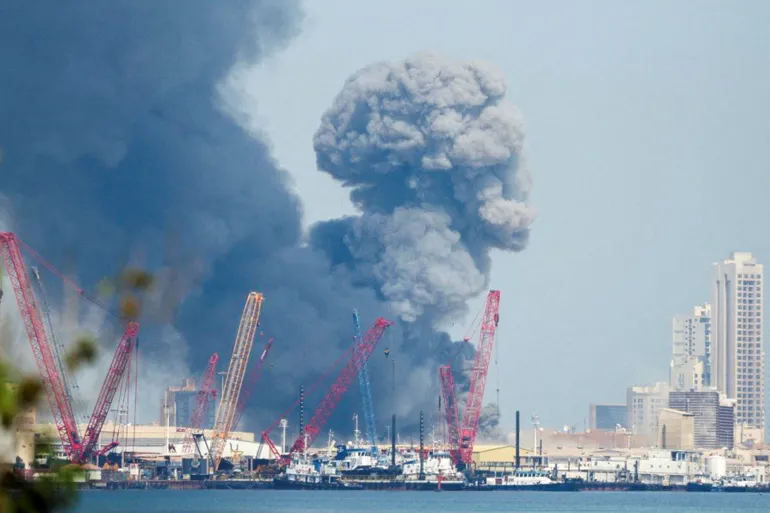
Gulf Region: Iranian missile and drone attacks have intensified across multiple Gulf states, targeting oil infrastructure, civilian areas, and regional airspace. The latest strikes have forced Bahrain’s state-owned energy company, Bapco, to declare force majeure after its refinery was hit, highlighting the growing risk to energy production and global supply.
Oil Infrastructure Targeted Amid Iranian Missile and Drone Attacks
The ongoing Iranian missile and drone attacks have severely affected oil refineries and energy facilities across the Gulf. Bahrain’s Bapco announced a force majeure for operations impacted by the attacks, following a direct strike on its refinery complex that resulted in a major fire.
These attacks are seen as retaliation by Iran for US and Israeli military actions since February 28. Gulf nations have reported multiple missile and drone interceptions, but disruptions to oil production and shipping continue to raise concerns over potential impacts on global energy markets.
Civilian Areas Also Affected
Iranian missile and drone attacks have not spared civilian zones. In Bahrain’s Sitra area, at least 32 people, including children, were injured during a drone strike. In Saudi Arabia, two individuals were killed and 12 injured after a projectile hit a residential neighborhood in al-Kharj governorate. Debris from intercepted drones also caused fires in the Fujairah oil industry zone in the UAE.
Also read : Dubai Intercepts Missile: Pakistani Driver Killed by Falling Debris
Authorities across the UAE, Qatar, and Kuwait confirmed missile and drone threats, triggering air defence systems to intercept incoming attacks. Saudi Arabia reported intercepting four drones heading toward the Shaybah oilfield, one of the kingdom’s key energy facilities.
Regional Tensions Rise
These Iranian missile and drone attacks highlight the escalating tensions in the Gulf following recent US and Israeli operations targeting Iran. Gulf airspace has been temporarily closed in several areas as security agencies respond to the threats, and oil infrastructure has been placed on high alert to prevent further disruption.
Experts warn that if the Iranian missile and drone attacks continue, the situation could destabilize the wider Middle East and create serious risks for global energy markets, given the Gulf’s central role in oil exports.