
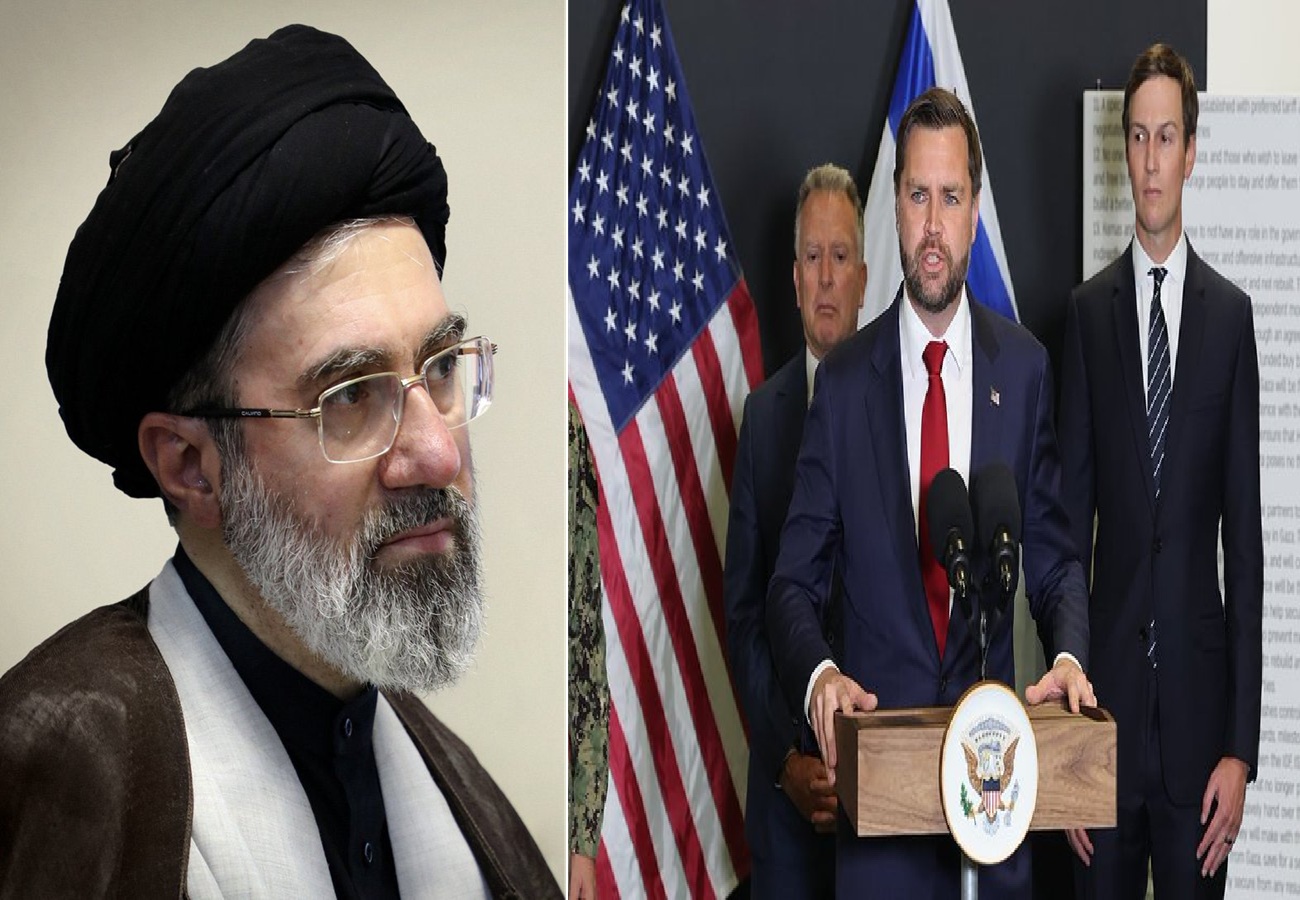
ISLAMABAD — In a major diplomatic breakthrough, the Iran Supreme Leader has granted the “green signal” for a high-level Iranian delegation to travel to Islamabad for emergency peace talks. This development comes as the world watches the clock tick toward a critical April 22 ceasefire deadline. US Vice President JD Vance is currently en route to the Pakistani capital to lead the American delegation. This group also includes key figures such as Jared Kushner and special envoy Steve Witkoff. The mission is clear: prevent a return to full-scale hostilities that have already rattled global energy markets and redefined regional security.
The decision from Tehran followed days of intense internal debate and brinkmanship. Sources suggest that the Islamic Revolutionary Guard Corps (IRGC) initially resisted the talks, demanding an immediate end to the US naval blockade of the Strait of Hormuz. However, mediators from Pakistan, Egypt, and Turkey reportedly convinced the leadership that a diplomatic opening was necessary. Consequently, the Iran Supreme Leader issued the final approval late Monday night. While Iranian state media remains cautious, the arrival of JD Vance signals that Washington is treating this “eleventh-hour” opportunity with extreme gravity.
Also Read : Kirpans, Knives Pulled Out in Massive Clash at Germany Gurdwara
The Trump Warning: Power Plants and Bridges at Risk
As the negotiations begin, the shadow of military escalation looms large. US President Donald Trump has been unambiguous about the consequences of a failed dialogue. In a series of recent statements, Trump warned that if a “reasonable deal” is not reached, the United States will target Iran’s critical infrastructure. Specifically, he mentioned the “complete demolition” of power plants and bridges. This “No More Mr. Nice Guy” posture aims to force Tehran into renouncing its nuclear ambitions and reopening global shipping lanes.
Moreover, the current ceasefire, initially set to expire on Tuesday, has received a slight reprieve. President Trump informed reporters that the deadline has effectively been extended until Wednesday evening, Washington time. This extension provides a narrow 24-hour window for negotiators to find common ground. Transitioning from threats to diplomacy, the US delegation hopes to secure at least an interim agreement. Such a deal would likely focus on the Strait of Hormuz and a temporary suspension of enrichment activities. Nevertheless, the IRGC has countered by threatening to “reveal new cards on the battlefield” if their demands regarding the blockade are ignored.
Islamabad on High Alert: 20,000 Troops Deployed
Pakistan has transformed its capital into a fortress to host these high-stakes discussions. Interior Minister Mohsin Naqvi confirmed that the country is on high alert, with over 20,000 security personnel deployed across Islamabad and Rawalpindi. This massive security apparatus includes elite commandos, snipers, and specialized Quick Response Teams. Additionally, the “Safe City” surveillance network is monitoring every movement within the diplomatic enclave. These measures reflect the immense pressure on Pakistan to ensure the safety of both JD Vance and the Iranian representatives.
Despite the heavy security, the atmosphere remains thick with uncertainty. Iranian President Masoud Pezeshkian recently noted that “deep historical mistrust” continues to cloud the relationship. He emphasized that Iranians will not submit to force. Meanwhile, the International Energy Agency (IEA) has warned that a collapse of these talks could trigger the “biggest energy crisis in history.” With oil routes in the balance, the Islamabad summit is not just a regional concern but a global economic necessity.
The Road to a Final Deal: Challenges and Expectations
The core of the dispute remains Iran’s nuclear program and the ongoing US blockade. President Trump has demanded that Tehran formally surrender its stockpiles of enriched uranium. Tehran, however, views these stocks as its primary leverage. While a comprehensive peace treaty is unlikely within 48 hours, diplomatic sources believe a “framework for de-escalation” is possible. This would involve a mutual step-back: the US easing some naval restrictions in exchange for Iran halting its maritime provocations.
Ultimately, the success of these talks depends on whether the Iran Supreme Leader is willing to compromise in the face of Trump’s “maximalist” demands. As JD Vance lands in Islamabad, the stakes could not be higher. For the people of Iran and the broader Middle East, these discussions represent the final barrier between a fragile peace and a devastating conflict. The world now waits to see if the green signal from Tehran will lead to a handshake or a return to the battlefield.