
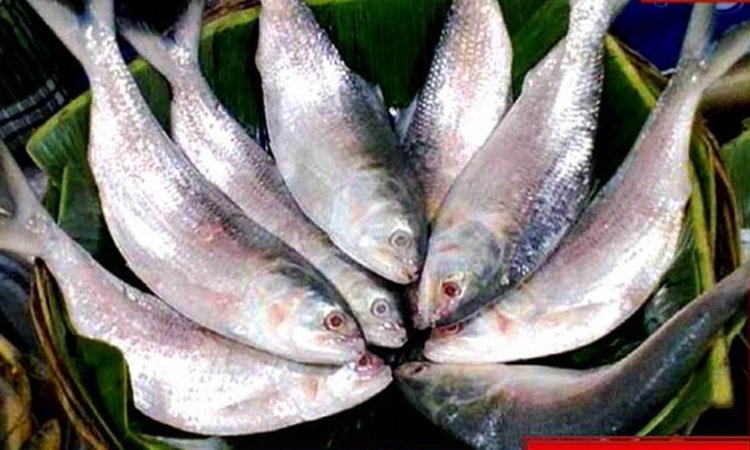
Hilsa quota slashed ahead of Durga Puja
Bangladesh has halved its Hilsa exports for Durga Puja 2025, cutting the quota to just 1,200 tonnes compared to 2,400 tonnes last year. The sharp reduction has raised concerns in West Bengal, where Hilsa is not only a beloved delicacy but also a cultural symbol of Durga Puja festivities.
The decision, announced by Dhaka, is expected to affect Kolkata’s wholesale and retail markets, where demand for Hilsa traditionally peaks during the festive season. With less supply entering India, prices are projected to rise steeply, making the fish less affordable for many households.
Export window to open from mid-September
According to official notifications, Bangladesh will allow the export of Hilsa consignments starting mid-September, ensuring that shipments reach Kolkata markets before the start of Durga Puja in early October.
The exports will pass through the Petrapole Land Port, the largest trade checkpoint between India and Bangladesh. From there, the fish will be transported to major markets across West Bengal, including Sealdah, Howrah, and Gariahat, before reaching smaller towns.
Industry insiders confirmed that each Hilsa typically weighs between 700 grams and 1.2 kilograms, with larger catches fetching premium prices. The limited quota this year could push prices up by 25–40% compared to last year.
Traders fear shortage and price spike
Fish traders and wholesalers in Kolkata expressed concern that the reduced supply will trigger shortages in markets during the festive rush.
“Even last year, with 2,400 tonnes of exports, demand outstripped supply and prices soared. This year, with only half the quota, Hilsa could become unaffordable for middle-class families,” said a trader at Sealdah market.
Retail prices of Hilsa already range between ₹1,200 and ₹1,800 per kilogram depending on size. Experts warn that rates may cross ₹2,000 per kilogram in the days leading up to Puja.
Bangladesh prioritises domestic market
Officials in Dhaka explained that the quota cut was necessary to safeguard Bangladesh’s domestic fish supply. Hilsa is the national fish of Bangladesh and a staple in local cuisine, making its availability politically and culturally sensitive.
Since 2012, Bangladesh has occasionally permitted Hilsa exports to India, mainly as a goodwill gesture during Durga Puja. But this year, the government has scaled back shipments due to rising domestic demand and inconsistent river catches.
Fisheries experts pointed out that factors like overfishing, river pollution, and climate change have impacted Hilsa populations, forcing the government to strike a balance between internal consumption and exports.
Cultural and diplomatic significance
Hilsa exports carry significant cultural and diplomatic weight in India-Bangladesh relations. For Bengalis on both sides of the border, Hilsa is more than just a dish — it is a shared heritage and an emotional connection.
Every year, the quota announcement receives widespread attention in West Bengal, symbolizing not just trade but also cross-border goodwill. In the past, higher quotas were seen as a friendly gesture from Dhaka. The cut in 2025, however, reflects the pressing domestic priorities of Bangladesh.
Bengal consumers brace for impact
For many in Kolkata, the reduced quota has dampened the festive mood. “Durga Puja is incomplete without Hilsa on the dining table. It’s a tradition that families look forward to. With prices expected to rise so sharply, we may have to buy a smaller fish or skip it altogether,” said a shopper at Howrah market.
Restaurants and caterers, who typically design special festive menus around Hilsa dishes such as ilish paturi, ilish bhapa, and ilish macher jhol, are also worried. Some have begun considering alternative fish varieties, while others plan to keep portions smaller to manage costs.
Outlook for the festive season
With only 1,200 tonnes of Hilsa reaching Bengal markets this year, experts expect supplies to sell out quickly once shipments arrive. Wholesalers may secure most of the stock, leaving smaller retailers with limited quantities.
Despite the high costs, demand for Hilsa is unlikely to disappear. “Even if families can’t afford large fish, they will buy at least one Hilsa to keep the Puja tradition alive. The emotional value of the fish is too high,” said a wholesale dealer at Gariahat.
As Durga Puja 2025 approaches, Hilsa once again underscores its role not only as a festive delicacy but also as a marker of cultural identity, economic dynamics, and India-Bangladesh relations. While the reduced supply may pinch consumer pockets, it is certain that the fish will remain at the heart of Bengal’s celebrations.