
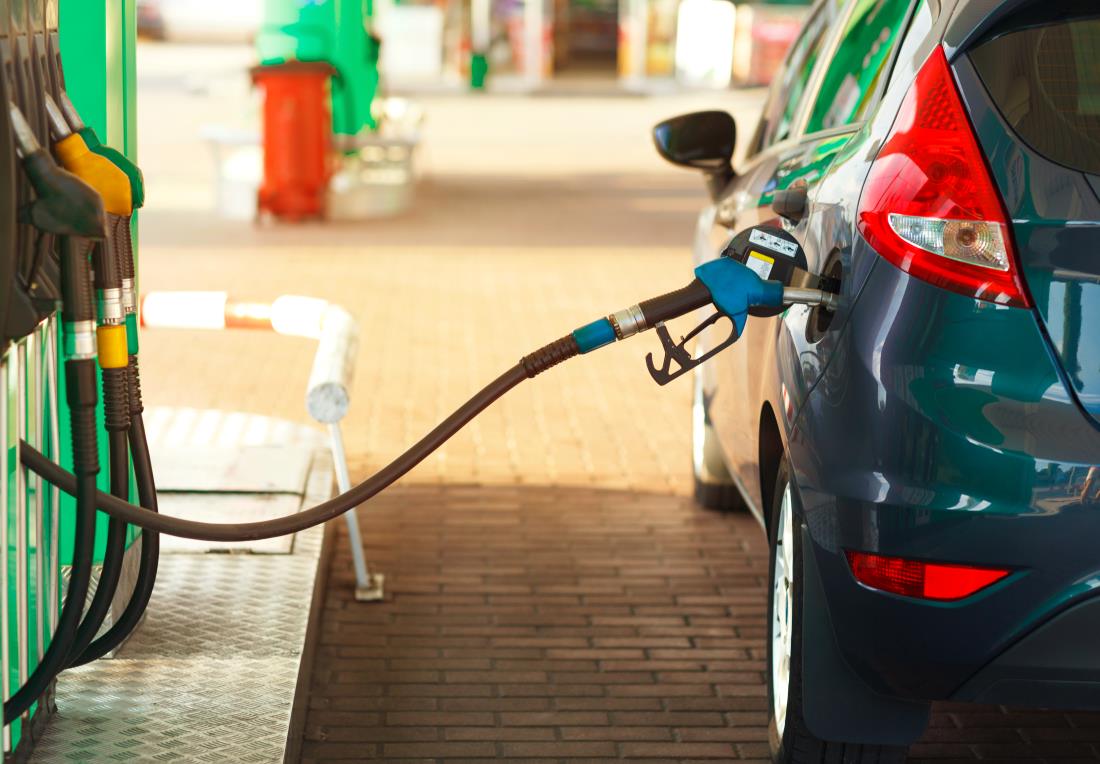
Delhi Bans Refuelling of Old Diesel and Petrol Vehicles from July 1 to Combat Pollution
Starting July 1, 2025, owners of diesel vehicles older than 10 years and petrol vehicles older than 15 years will no longer be able to refuel at fuel stations in Delhi, irrespective of where the vehicle is registered. The move, announced by the Commission for Air Quality Management (CAQM), is aimed at aggressively curbing vehicular emissions and air pollution in the national capital.
The regulation marks one of the strongest enforcement steps to date against ageing, polluting vehicles, with automated technology playing a key role in implementation.
What’s Changing from July 1?
Under the new rule:
- End-of-life (EOL) diesel vehicles over 10 years and petrol vehicles over 15 years will be denied refuelling at fuel pumps across Delhi.
- The rule applies even to vehicles registered outside Delhi, closing a common loophole where owners register their vehicles in nearby states to bypass environmental laws.
- Automated Number Plate Recognition (ANPR) cameras have been installed at 500 of the 520 fuel stations in Delhi, with full coverage expected by June 30.
These cameras are linked to the VAHAN database, which tracks vehicle age and registration status. If a vehicle flagged as “EOL” arrives at a fuel pump, an alert will be sent to the control room and enforcement teams.
What Happens If You’re Caught Refuelling an Old Vehicle?
If a vehicle listed as EOL is caught at a fuel station:
- It may be impounded or referred for scrapping under the Registered Vehicle Scrapping Facility (RVSF) Rules.
- Fuel stations must deny fuel to such vehicles or face legal action.
- Officials will conduct routine inspections, and non-compliant pumps will be penalized or shut down.
According to Virendra Sharma, Technical Member of CAQM, the objective is to create a zero-tolerance mechanism that leaves no room for violation.
The Policy is Expanding Beyond Delhi
This stringent fuel ban isn’t limited to Delhi. It will be phased into NCR cities as well:
- From November 1, 2025, the rule will apply in:
- Gurugram
- Faridabad
- Ghaziabad
- Gautam Budh Nagar
- Sonipat
Fuel stations in these cities must install ANPR systems by October 31.
- The rest of NCR has until March 31, 2026, with the ban taking effect from April 1, 2026.
This regional rollout strategy ensures the policy’s effectiveness and consistency across the entire NCR region, preventing polluting vehicles from simply relocating.
Why This Step Was Necessary
Delhi alone has over 62 lakh old vehicles, including 41 lakh two-wheelers. Across the entire NCR, that number reaches nearly 1.06 crore. These older vehicles are known to be major contributors to PM2.5 and NOx emissions.
Despite directives from the Supreme Court and the National Green Tribunal (NGT), compliance with earlier bans has been low due to limited enforcement capacity.
Now, with technology-backed enforcement, officials are better equipped to track and penalize violations in real-time.
To aid implementation:
- 100 enforcement teams combining Delhi Traffic Police and Transport Department officials have been deployed.
- These teams will use road surveillance tech, smart traffic systems, and real-time alerts from ANPR systems to monitor compliance.
Public Reactions and Concerns
While many environmental groups have welcomed the move, several vehicle owners have expressed concern about the lack of awareness and insufficient scrapping infrastructure.
Some users also fear misidentification due to outdated records on VAHAN. Officials have assured that regular updates and corrections to the database are ongoing to minimize errors.
What Should Vehicle Owners Do Now?
If you own a diesel vehicle over 10 years or a petrol vehicle over 15 years, consider the following:
- Check your vehicle’s age using your registration certificate or VAHAN portal.
- Avoid refuelling attempts at Delhi pumps if your vehicle qualifies as EOL.
- Explore scrappage incentives or vehicle exchange offers under the RVSF scheme.
- Consider public transport or green alternatives in urban zones.