
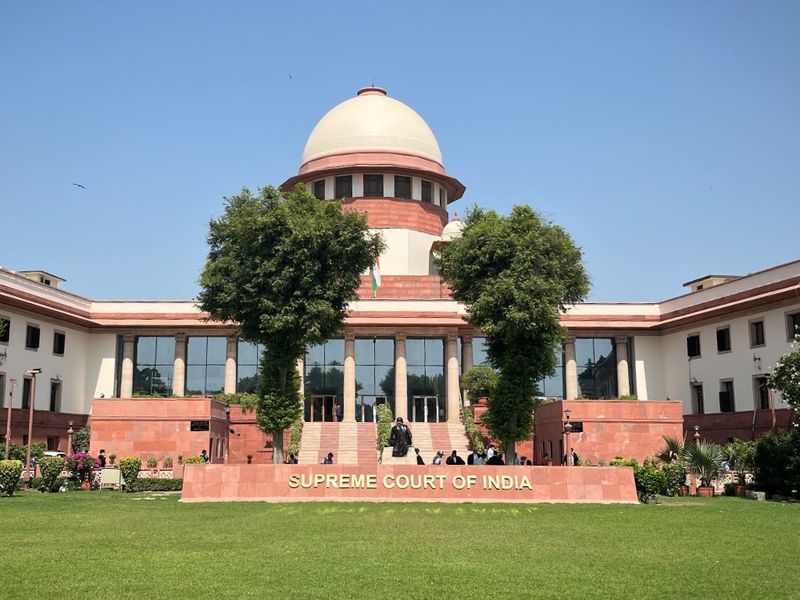
New Delhi: The Supreme Court SC/ST verdict on Tuesday upheld the Andhra Pradesh High Court’s order that individuals who convert to Christianity and continue practising the faith cannot be considered members of a Scheduled Caste. The bench clarified that following religions other than Hinduism, Sikhism, or Buddhism leads to the complete loss of SC status.
Absolute Restriction Under the Constitution
Referring to the Constitution (Scheduled Castes) Order, 1950, the court noted that the restriction is “absolute” and allows no exceptions. “No statutory benefit, protection, or reservation can be claimed by a person who is not deemed to be a Scheduled Caste member under the order,” the bench stated. The Supreme Court SC/ST verdict reiterated that a person cannot simultaneously follow a religion outside the specified ones and claim SC membership.
Also read : PM Modi Rajya Sabha Address Highlights Steps to Safeguard Energy and Public Interest
Background of the Case
The ruling arose from a case where a man, after converting to Christianity and working as a pastor, filed a complaint under the SC/ST (Prevention of Atrocities) Act alleging assault and caste-based abuse. The Andhra Pradesh High Court had earlier quashed the charges, observing that the caste system is “alien to Christianity” and that the SC/ST Act could not be invoked in such circumstances. This order was challenged before the Supreme Court.
Court Observations
A bench comprising Justices Prashant Kumar Mishra and N V Anjaria noted that the petitioner had actively practised Christianity for over a decade, conducting Sunday prayers and leading prayer meetings at the time of the alleged incident. “These facts leave no room for doubt that he continued to remain a Christian on the date of the occurrence,” the court said, rejecting his claim for SC/ST protections.
The Supreme Court SC/ST verdict also clarified that holding a Scheduled Caste certificate does not automatically entitle a convert to benefits under the law. Matters related to cancellation of such certificates must be addressed by the competent state authority.
Supreme Court SC/ST Verdict Limited to Converts, Dalit Christians Debate Pending
The court emphasized that this Supreme Court SC/ST verdict is specific to individuals who have converted to Christianity and does not address the broader debate concerning Dalit Christians, which remains pending. It confirmed that complaints under the SC/ST Act can only be filed by individuals currently recognized as belonging to the SC/ST community.