
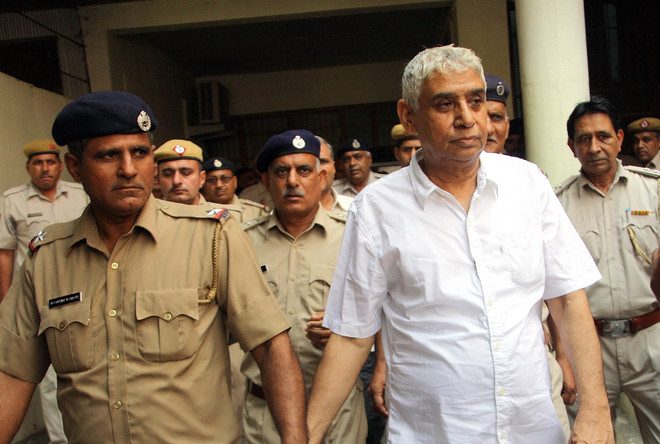
The Rampal Satlok Ashram bail case has taken a significant turn after the Punjab and Haryana High Court granted regular bail to Rampal in connection with the 2014 Barwala violence matter. The court, however, imposed strict conditions, including a clear directive against promoting any form of mob mentality or participating in gatherings that may disturb public peace.
Court’s Key Observations in Rampal Satlok Ashram Bail Case
While granting relief, the court observed that the prolonged incarceration of the accused, along with the slow pace of trial, justified bail at this stage. The judges noted that Rampal has already spent more than 11 years in custody since his arrest in December 2014. This factor played a crucial role in the outcome of the Rampal Satlok Ashram bail case.
The bench also highlighted that out of hundreds of prosecution witnesses, only a small fraction have been examined so far, indicating that the trial is unlikely to conclude soon.
Background of the Rampal Satlok Ashram Bail Case
The Rampal Satlok Ashram bail case stems from violent clashes in November 2014 at Satlok Ashram in Hisar’s Barwala area. The prosecution alleged that supporters of Rampal resisted arrest attempts, leading to large-scale violence in which stones were pelted and firing reportedly took place against police personnel.
Also read : Assembly Elections 2026 LIVE: Assam Logs 84.42% Turnout, Puducherry 86.92% as Single-Phase Voting Ends
The FIR in the matter included serious charges such as attempt to murder, unlawful assembly, and provisions under the Unlawful Activities (Prevention) Act (UAPA). The prosecution also alleged that a large number of followers were mobilized during the incident, resulting in a law-and-order crisis.
Defence Arguments in Rampal Satlok Ashram Bail Case
During the hearings, the defence counsel argued that Rampal is 75 years old and that several co-accused in the same case have already been granted bail. They also emphasized that continued detention without conclusion of trial violates the principle of timely justice, a key point considered in the Rampal Satlok Ashram bail case.
High Court’s Conditions and Final Order
In its ruling, the Punjab and Haryana High Court directed that the accused must not engage in any activity that could incite violence or promote mob behavior. The court also made it clear that any violation of bail conditions could lead to cancellation of bail.
Accepting these terms, the court allowed the appeal and ordered the release of Rampal on regular bail. The decision marks a major development in the Rampal Satlok Ashram bail case, which has been ongoing for over a decade.
The ruling in the Rampal Satlok Ashram bail case highlights the judiciary’s balancing act between prolonged undertrial detention and the seriousness of charges. While granting bail, the court has maintained strict safeguards to ensure that public order is not disturbed and that the trial proceeds without interference.