
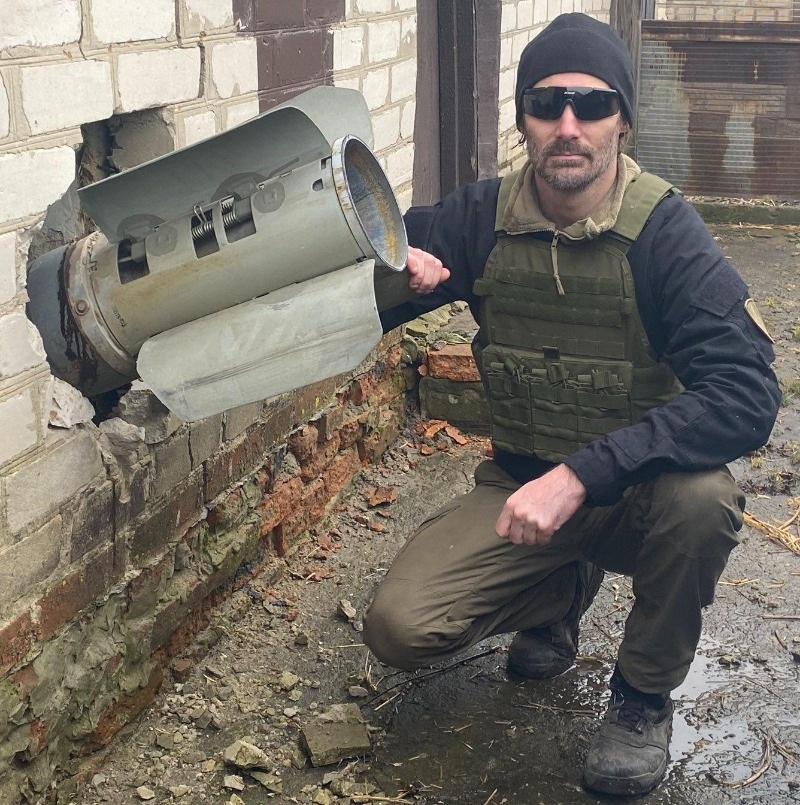
KOLKATA – Fresh details are emerging from the intense probe into the arrest of American national Matthew Aaron Van Dyke. Authorities detained him at the Kolkata airport for nearly two days. They finally handed him over to the National Investigation Agency (NIA) on March 14. This move came after officials pieced together his suspected cross-border activities.
Evidence suggests he has deep links with insurgent groups in the region. Bidhannagar Police and airport immigration officials shared critical inputs with the NIA. They intercepted Van Dyke on March 12. He was moments away from boarding a FlyDubai flight (FZ 462) to Dubai. Officials described the event as a “last-minute intervention.” Intelligence alerts triggered the action just before the plane departed.
“His luggage was already loaded onto the aircraft,” a senior official stated. Van Dyke had cleared immigration and was about to leave. Instead, security escorted him to an immigration holding facility. He remained there under sustained interrogation for 48 hours. From Dubai, he had planned to fly to Warsaw, Poland.
Reconstructing the Cross-Border Trail
Investigators have now reconstructed Van Dyke’s movements within India. He reportedly arrived from Delhi with a group of Ukrainian nationals. He then travelled to Kolkata before heading to Mizoram. From there, he allegedly crossed the international border into Myanmar. He did not complete the mandatory formalities required for foreigners.
Under Indian law, foreigners must register with the Foreigners Registration Office within 24 hours. This rule applies specifically to sensitive states like Mizoram, Nagaland, and Manipur. Officials confirmed that Van Dyke bypassed these essential requirements. His clandestine entry into Myanmar’s Chin state has raised major red flags.
Also Read: US Mercenary Matthew VanDyke and 6 Ukrainians Arrested: Inside the Drone Terror Plot
Sources indicate that Van Dyke spent significant time in Myanmar. He is suspected of training anti-junta insurgent groups. His training focused on weapon handling and advanced drone operations. Investigators believe this military-grade drone capability poses a serious security concern for India.
The Global Mercenary Connection
The NIA is also investigating several other foreign nationals. On March 13, officials detained three Ukrainian war veterans in Lucknow. These individuals are Petro Hurba, Taras Slyviak, and Ivan Sukmanovskyi. They allegedly provided key leads about the activities of Van Dyke.
Three more Ukrainians—Stefankiv Marian, Honcharuk Maksim, and Kaminskyi Viktor—were held in Delhi. All seven suspects are currently in NIA custody. A Delhi court remanded them until March 27. The agency believes a total of 14 Ukrainians entered India to facilitate these operations.
“The introduction of advanced drone technology could sharply escalate the capabilities of insurgent groups along the border,” warned a security official.
The NIA has filed cases under the Unlawful Activities (Prevention) Act (UAPA). Specifically, Section 18 deals with terror conspiracy and abetment. Investigators are now analyzing digital footprints. They want to uncover the full network and its funding sources.
Russia reportedly provided a tip-off that helped Indian agencies. Ukraine, however, has lodged a formal protest. They are seeking immediate consular access for their citizens. The US Embassy has also acknowledged the situation. They are monitoring the case involving their national.