
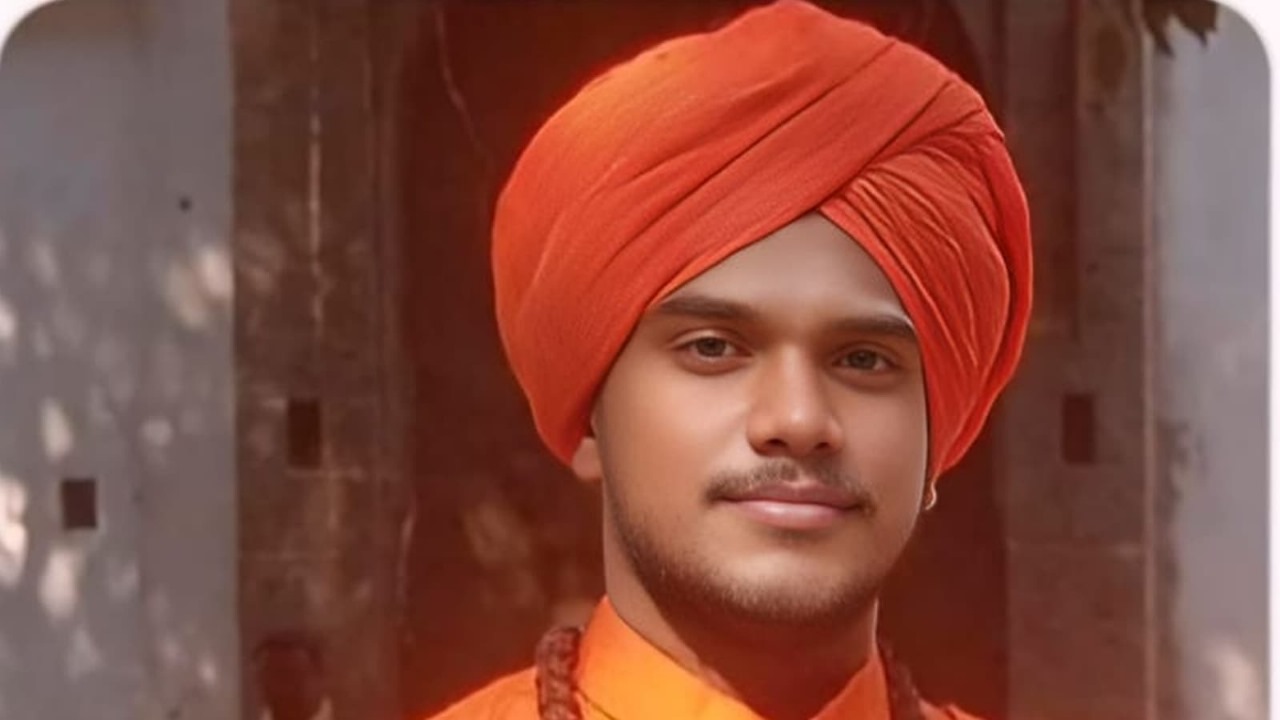
Karnataka Lingayat Seer Resigns After Background Sparks Row
A 22-year-old Lingayat seer in Karnataka, Nijalinga Swamy, has voluntarily stepped down from his position after villagers discovered that he was born a Muslim. The incident, which has stirred debate across the state, raises important questions about religious identity, acceptance, and the spirit of spiritual transformation.
A Spiritual Journey Rooted in Basavanna’s Teachings
Born Mohammed Nisar in Shahpur, Yadgir district, the young man adopted Lingayatism five years ago. Inspired by the teachings of 12th-century social reformer Basavanna, Nisar fully committed himself to the faith and took on the name Nijalinga Swamy.
He studied under Basavaprabhu Swamy of Basavakalyan, who formally inducted him into the Lingayat order. The Lingayat philosophy, historically rooted in equality, devotion, and social justice, had deeply influenced the young seer.
Recently, Nijalinga Swamy was appointed the head of the Gurumalleshwara Shakha Mutt in Chowdahalli village, located in Chamarajanagar district. The mutt was built by an NRI villager named Mahadev Prasad and was intended to promote inclusive spiritual practice aligned with Lingayat beliefs.
SSLC Marks Card Triggers Identity Controversy
For over 45 days, the young seer conducted daily prayers, performed religious rituals, and preached Basavanna’s teachings. However, his tenure was cut short when a group of local youths obtained a copy of his SSLC (10th-grade) marks card, which revealed his birth name and prior religious identity.
The disclosure caused unrest among some villagers who objected to someone of Muslim origin holding a spiritual leadership position in a Lingayat institution. The growing unease prompted calls for him to step down.
Voluntary Resignation to Avoid Discord
In response to the controversy, Nijalinga Swamy issued a statement affirming his spiritual sincerity. He said he had never hidden his background and had become a follower of Basavanna out of genuine belief, not convenience.
“I embraced Lingayatism by choice and conviction,” he said. “I have always believed in Basavanna’s message of equality and spiritual liberation.”
Yet, out of respect for the sentiments of the community and to prevent further conflict, the young seer chose to resign. He has since returned to his hometown in Yadgir district.
“Will Continue to Live by Basavanna’s Message”
Despite his resignation, Nijalinga Swamy has vowed to continue spreading the teachings of Basavanna. Speaking to local media, he reiterated his unwavering dedication to the Lingayat philosophy.
“I will keep living by and sharing Basavanna’s message, wherever I go,” he said, adding that faith should be about inner transformation, not birth identity.
His graceful exit and dignified response have earned admiration from some sections of society, even as the episode exposes lingering societal divides.
Broader Questions on Inclusion and Faith
This incident has once again brought India’s religious and social complexities to the fore. Lingayatism, which originated as a reformist movement against caste and ritualism, is now being tested on its inclusive values.
Can a person from another faith, who sincerely adopts the philosophy, be fully accepted? The debate continues.