
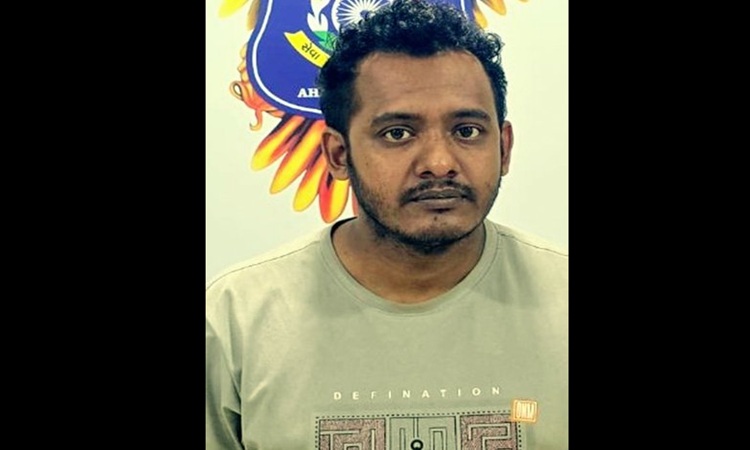
Ahmedabad/Mumbai, March 5, 2026: Law enforcement agencies have secured a major breakthrough in the wave of digital terrorism hitting Indian cities. The Gujarat Crime Branch, collaborating with the Ahmedabad Cyber Crime Unit, arrested 28-year-old Sourav Biswas from West Bengal. He allegedly sent over 50 hoax bomb threat emails targeting critical infrastructure. These threats disrupted life in Mumbai, Delhi, and Gujarat over the last month.
Tracking the Digital Footprint
The arrest follows a high-stakes technical investigation. On February 27, several Mumbai schools and metro stations received emails at 8:46 am. These messages warned of imminent blasts. Consequently, security agencies launched emergency evacuations. The Mumbai Police registered a case at the Dindoshi Police Station.
Cyber experts tracked the email’s origin to New Barrackpore, West Bengal. Simultaneously, Ahmedabad police were investigating similar threats sent on February 16 and 17. Those emails had targeted 40 schools and multiple district courts across Gujarat. By March 1, investigators successfully detained the suspect. He is currently on transit remand for further interrogation.
Motive and Sophisticated Methods
Initial questioning reveals that Biswas used Virtual Private Networks (VPNs) to mask his location. Investigators are now probing whether he acted alone or as part of a larger network. While his primary goal appeared to be creating mass panic, authorities are checking for deeper motives.
Curbing the Rise of Digital Hoaxes
This arrest comes at a critical time for Indian internal security. The recurring threats had caused immense stress for parents and students during board examination season. Furthermore, every hoax alert drains state resources. Each incident requires bomb disposal squads and sniffer dogs to conduct hours of searches.
Also Read : Mizoram Areca Nut Smuggling Crackdown: State to Intensify Myanmar Border Drive
The Ahmedabad Police Commissioner, G.S. Malik, praised the joint task force for their swift action. He emphasized that digital anonymity will not protect those who threaten public safety. The Ministry of Home Affairs is also reviewing protocols to handle such mass email threats more efficiently in the future.