
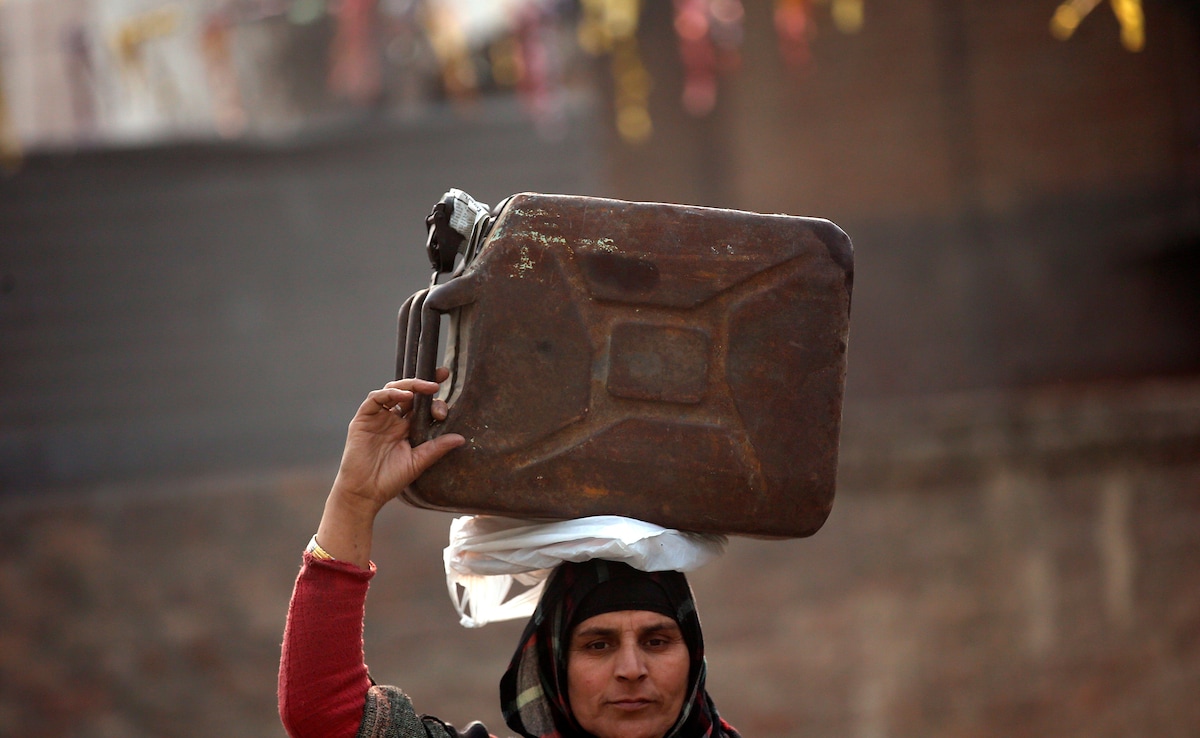
In a significant move to address potential fuel shortages, the Centre has introduced a Kerosene Distribution Emergency Window across India. The decision, announced by the Ministry of Petroleum and Natural Gas on March 29, allows ad-hoc allocation of Public Distribution System (PDS) Superior Kerosene Oil (SKO) to all States and Union Territories.
This includes 21 regions that had previously become kerosene-free under the PDS system. The Kerosene Distribution Emergency Window comes into immediate effect and will remain valid for 60 days or until further notice.
Why the Government Took This Step
The Kerosene Distribution Emergency Window has been introduced in response to global energy uncertainties triggered by the ongoing Iran war. Disruptions in crude oil supply and rising fuel prices have raised concerns about the availability and affordability of essential fuels in India.
The government aims to ensure that households, especially in rural and semi-urban areas, have access to an alternative fuel for cooking and lighting if LPG supplies are affected.
Also read ; Nitish Kumar Rajya Sabha Resignation: Bihar CM Set to Step Down Amid Political Churn
Key Highlights of the New Order
Under the Kerosene Distribution Emergency Window, the government has relaxed certain rules to enable quick and efficient distribution:
- Up to two petrol pumps per district can be designated for kerosene sales
- Each outlet can store up to 5,000 litres of PDS SKO
- Preference will be given to company-owned, company-operated (COCO) outlets of PSU oil firms
- Kerosene can be sold through existing fuel stations licensed under Petroleum Rules, 2002
- Licensing norms for dealers and transport have been eased for faster supply
These relaxations have been implemented under Section 12 of the Petroleum Act, 1934, based on recommendations from the Petroleum and Explosives Safety Organisation.
States Where Kerosene Returns
The Kerosene Distribution Emergency Window extends to several states and Union Territories where kerosene had been phased out due to increased LPG usage. These include Delhi, Uttar Pradesh, Gujarat, Madhya Pradesh, Telangana, and Punjab, among others.
This move ensures that even regions that had transitioned away from kerosene now have access to it during emergency conditions.
Safety Guidelines Remain Strict
Despite regulatory relaxations, safety norms remain firmly in place. Authorities have emphasized that:
- All operational guidelines issued by PESO must be strictly followed
- Proper records of storage and distribution must be maintained
- Regular inspections will be conducted by district authorities
- Kerosene will be sold strictly for cooking and lighting purposes
A Temporary Return of a Traditional Fuel
The Kerosene Distribution Emergency Window marks a temporary return of a fuel that once formed the backbone of household energy in India. While LPG and electrification have largely replaced kerosene over the years, the current global scenario has prompted the government to create a backup system.
This initiative does not reverse long-term policy but ensures preparedness during uncertain times. By leveraging the existing petrol pump network, the government has created a faster and more accessible distribution channel compared to the earlier ration shop-based system.
As global energy markets remain volatile, the Kerosene Distribution Emergency Window reflects a precautionary approach by the government to safeguard household energy needs. For the next 60 days, kerosene will once again be available in several parts of India—this time through selected fuel stations—ensuring that citizens have an alternative in case of supply disruptions.