
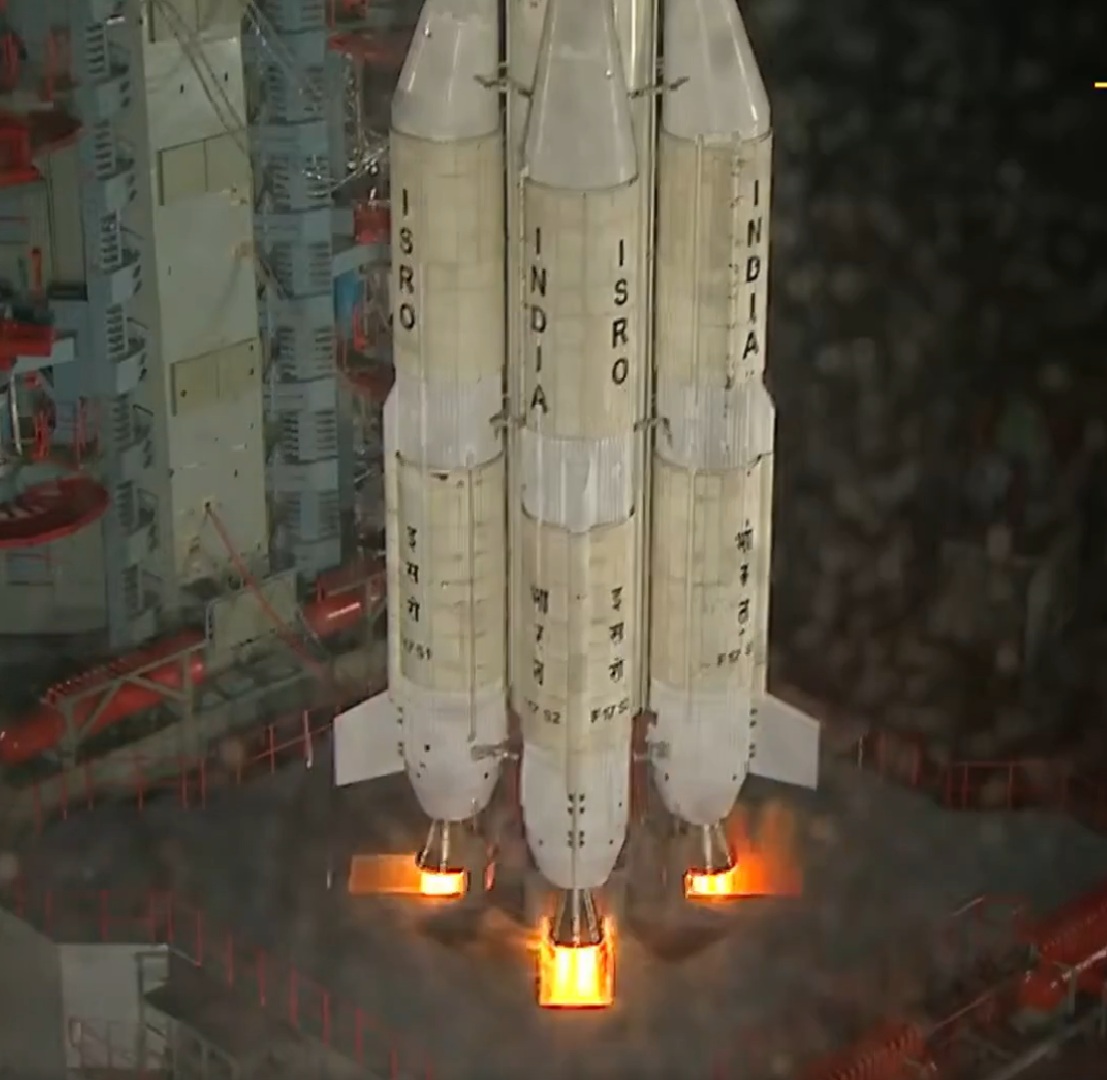
SRIHARIKOTA — The Indian Space Research Organisation (ISRO) achieved a major milestone on Friday, September 4, 2026. The agency executed a textbook liftoff of the GSLV-F17 rocket carrying the advanced EOS-05 Earth observation satellite from the Satish Dhawan Space Centre.
🚀 HISTORIC MILESTONE IN INDIAN SPACE EXPLORATION! ISRO places its heaviest payload yet into geosynchronous orbit! 🛰️🇮🇳👇
The ISRO GSLV F17 launch success marks India’s first dedicated imaging satellite in geo orbit. Watch liftoff highlights and mission details:… pic.twitter.com/L9pcvHONJq
— India This Week (@indiathisweekk) September 4, 2026
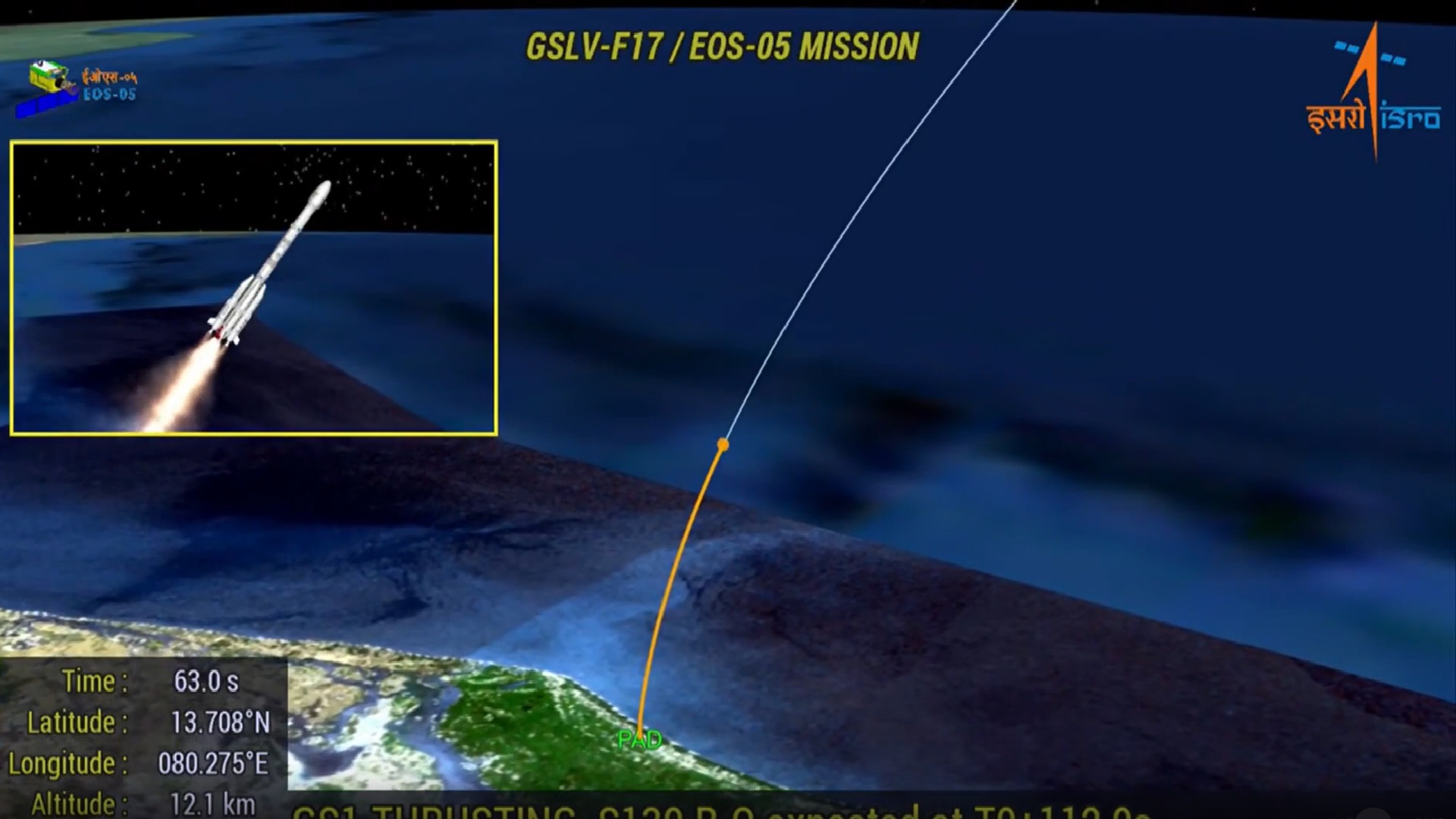
The ISRO GSLV F17 launch success ends an eight-month wait for a successful orbital deployment. Furthermore, ISRO Chairman V. Narayanan confirmed that the spacecraft was injected precisely into the intended Sub-Geosynchronous Transfer Orbit (Sub-GTO) roughly 18 minutes after liftoff.
| Mission Parameter | Technical Specification | Operational Target / Status |
| Launch Vehicle | GSLV-F17 (19th GSLV Flight) | Successfully injected payload into orbit |
| Spacecraft Name | Earth Observation Satellite-05 (EOS-05) | India’s first geo-platform imaging satellite |
| Payload Mass | 2,367 kilograms | Heaviest satellite carried by GSLV to date |
| Assured Lifespan | 7 Years (Expected 9+ Years) | Provides real-time continuous imaging |
Also Read : Manoj Jarange Refuses to Call Off Hunger Strike: Urges Kunbi Applications
ISRO GSLV F17 Launch Success: EOS-05 Spacecraft Achieves Orbit
Advanced Imaging Capabilities and Strategic Applications
The EOS-05 spacecraft functions as a sophisticated “eye in the sky,” stationed roughly 36,000 kilometers above the Earth. Positioned in geosynchronous orbit, it scans India and surrounding regions continuously to deliver near-real-time data.
Consequently, the ISRO GSLV F17 launch success substantially enhances national disaster management and agricultural tracking capabilities. Additionally, the multi-band payload supports cloudburst warnings, cyclone tracking, and environmental monitoring. Prime Minister Narendra Modi praised the mission, highlighting how expanding industry partnerships strengthen India’s space ecosystem.
| Sector Supported | Primary Operational Benefit | Applied Data Output |
| Disaster Management | Continuous monitoring of weather anomalies | Rapid alerts for cyclones and cloudbursts |
| Agriculture & Forestry | Spectral signature collection | Crop yield estimates and soil health mapping |
| Strategic Security | Persistent region-specific coverage | High-resolution real-time optical imagery |
Vehicle Upgrades and Future Spaceflight Targets
The current mission serves as a replacement for the unsuccessful GSLV-F10/EOS-03 attempt from August 2021. Following a technical review of the cryogenic upper stage, national committees implemented comprehensive reliability enhancements across the vehicle systems.
Meanwhile, ISRO plans an ambitious schedule featuring six additional launches during the current financial year. Officials confirmed that preparations for the technology-intensive Gaganyaan human spaceflight programme remain on track, with safety systems undergoing rigorous human-rating evaluations. Ultimately, the ISRO GSLV F17 launch success restores strong operational momentum to the space agency.