
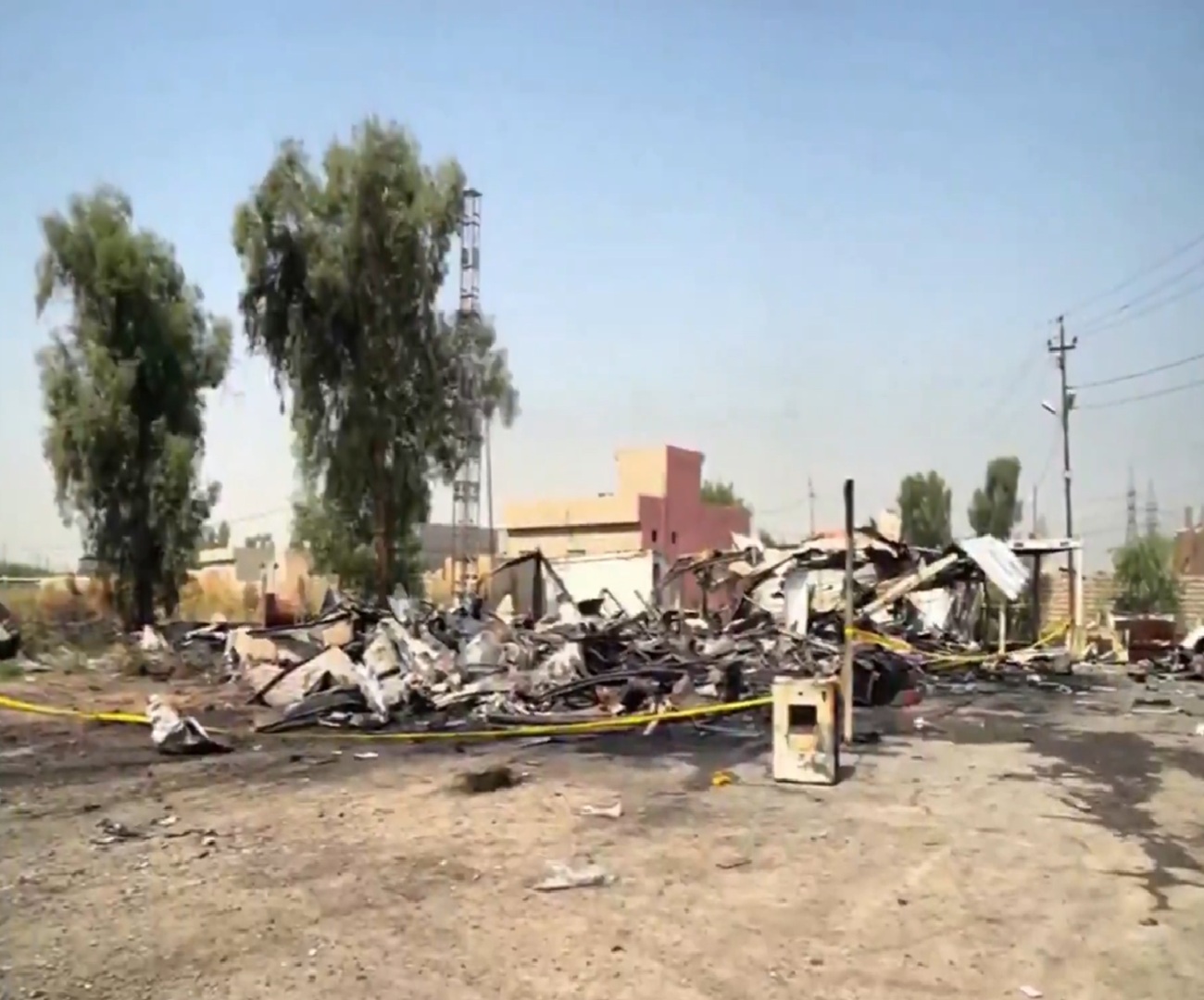
A joint US Saudi strike PMF Iraq operational blitz targeted Iran-backed paramilitary bases across multiple provinces overnight. Officials confirmed at least 20 fighters were killed and 32 others wounded in the coordinated air assault.
Key Timeline of US-Saudi Airstrikes in Iraq
├──► Recent Days : 30+ drone attacks target US troops and Saudi oil sites
├──► July 29, 2026 : Joint US-Saudi fighter jets enter Iraqi airspace
├──► Overnight : Simultaneous precision strikes hit PMF in 7 provinces
└──► Morning After : PMF confirms 20 killed; Iraq convenes emergency council
💥 U.S. and Saudi forces strike Iran-backed factions in Iraq:
Following the surprise Iranian attack on U.S. bases in Jordan, the United States carried out strikes in Iraq.@CENTCOM announced that U.S. and Saudi Arabian forces struck Iran-backed factions in response to an attack… pic.twitter.com/8Bk9JnUn7y
— Israel Realtime (@IsraelRealtime) July 29, 2026
The high-stakes strikes hit facility sites in Baghdad, Nineveh, Basra, Wasit, Kirkuk, Karbala, and Diyala. Consequently, military authorities placed remaining paramilitary garrisons across the country on immediate high alert.
Furthermore, US Central Command and Riyadh stated the strikes retaliated against recent drone incursions. Saudi Arabia defended its direct participation under UN Article 51 self-defense provisions.
However, Iraqi paramilitary commanders labeled the offensive a dangerous escalation and direct sovereignty breach.
Also Read : High-Stakes Netanyahu Trump Meeting Washington Focuses on Iran and Regional Peace Strategy
Heavy Casualties Reported Following Joint US Saudi Strike PMF Iraq Military Raid
The Popular Mobilization Forces, locally known as Hashed al-Shaabi, released updated casualty figures on Wednesday morning. Emergency response teams continues searching destroyed structural sites as casualties threaten to rise further.
Specifically, the deadliest individual bombing hit paramilitary positions in Nineveh province, killing ten members instantly.
Casualty Breakdown and Geographic Scope
- Fatalities Confirmed : At least 20 PMF fighters killed
- Injured Personnel : 32 wounded in preliminary counts
- Provinces Targeted : Nineveh, Basra, Wasit, Karbala, Kirkuk, Diyala, Baghdad
- Heaviest Impact : Nineveh Plain facilities (10 dead)
Additionally, airstrikes destroyed multiple command buildings, tactical vehicles, and heavy munitions depots. Paramilitary representatives stressed that targeted facilities belonged to officially recognized national security institutions.
Meanwhile, emergency rescue personnel continue clearing rubble at destroyed installations in Wasit and Diyala. Thus, local authorities expect operational losses to expand as damage reports finalize.
Retaliatory Justifications and Disputed Responsibility Behind the Escalation
US Central Command affirmed that joint jets launched precision munitions against hostile militia infrastructure. Washington cited over 30 attempted drone strikes against American troops and regional energy assets recently.
Similarly, Saudi Arabia confirmed its military participation following repeated drone attacks targeting eastern oil refineries.
Strategic Claims and Denials
├──► US-Saudi Stance : Self-defense strikes against “terrorist militias”
├──► PMF Denial : Rejects responsibility for targeting Saudi refineries
├──► Regional Dynamic : Factions blame Yemen’s Houthis for Aramco strikes
└──► Escalation Risk : Direct Saudi military entry into Iraqi airspace
Nevertheless, Iraqi armed groups rejected Riyadh’s allegations, calling them manufactured excuses to justify aggression. Faction spokespersons instead pointed to Yemen’s Houthi movement regarding previous strikes against Saudi Aramco facilities.
Despite these denials, Riyadh warned of further direct military actions if militias launch additional attacks. Consequently, the direct US Saudi strike PMF Iraq mission marks Riyadh’s first acknowledged combat operation inside Iraq since regional hostilities broadened.
Iraqi Political Crisis Deepens as Government Attempts to Contain Fallout
The US Saudi strike PMF Iraq offensive creates an immediate political challenge for Iraqi Prime Minister Ali al-Zaidi. Having assumed office earlier this year with Western support, al-Zaidi pledged to reign in armed factions.
However, integrating pro-Iran groups into standard defense structures remains contentious amid escalating regional combat.
Iraqi Government Response & Security Measures
- Prime Minister Action : Ali al-Zaidi convenes emergency national security council
- Diplomatic Status : High-level foreign visits postponed indefinitely
- US Embassy Alert : Warning issued to US citizens citing high safety risks
- Domestic Strain : Pressure mounts on government to condemn allied strikes
Following the strikes, Prime Minister al-Zaidi convened an emergency meeting of the national security council. Government officials assessed the security impact while trying to prevent wider clashes between domestic militias and foreign forces.
Meanwhile, the US Embassy in Baghdad issued security alerts warning American citizens of elevated risks. Therefore, Iraq remains caught precariously between its strategic obligations to Washington and political ties to Tehran.
Regional Implications and Risk of Broader Conflict
The joint operation opens a volatile front in the ongoing regional confrontation. Originally formed in 2014 to combat Islamic State jihadists, the PMF officially belongs to Iraq’s armed forces.
Yet, powerful Iran-aligned factions continue operating autonomous command structures.
Future Risk Outlook
├──► Direct Confrontation : Potential retaliatory rocket attacks on US bases
├──► Regional Spillover : Escalating exchange between Gulf nations and Iraqi factions
├──► Diplomatic Strain : Difficulties for Prime Minister al-Zaidi’s coalition
└──► Security Vacuum : Weakening of state control over paramilitary groups
Security analysts warn that direct military clashes between Saudi forces and Iraqi groups could trigger uncontrolled escalation. As militia leaders threaten retribution, the region faces heightened volatility.
In conclusion, the joint air offensive fundamentally shifts regional security dynamics, leaving Iraq vulnerable to deeper cross-border military conflict.