
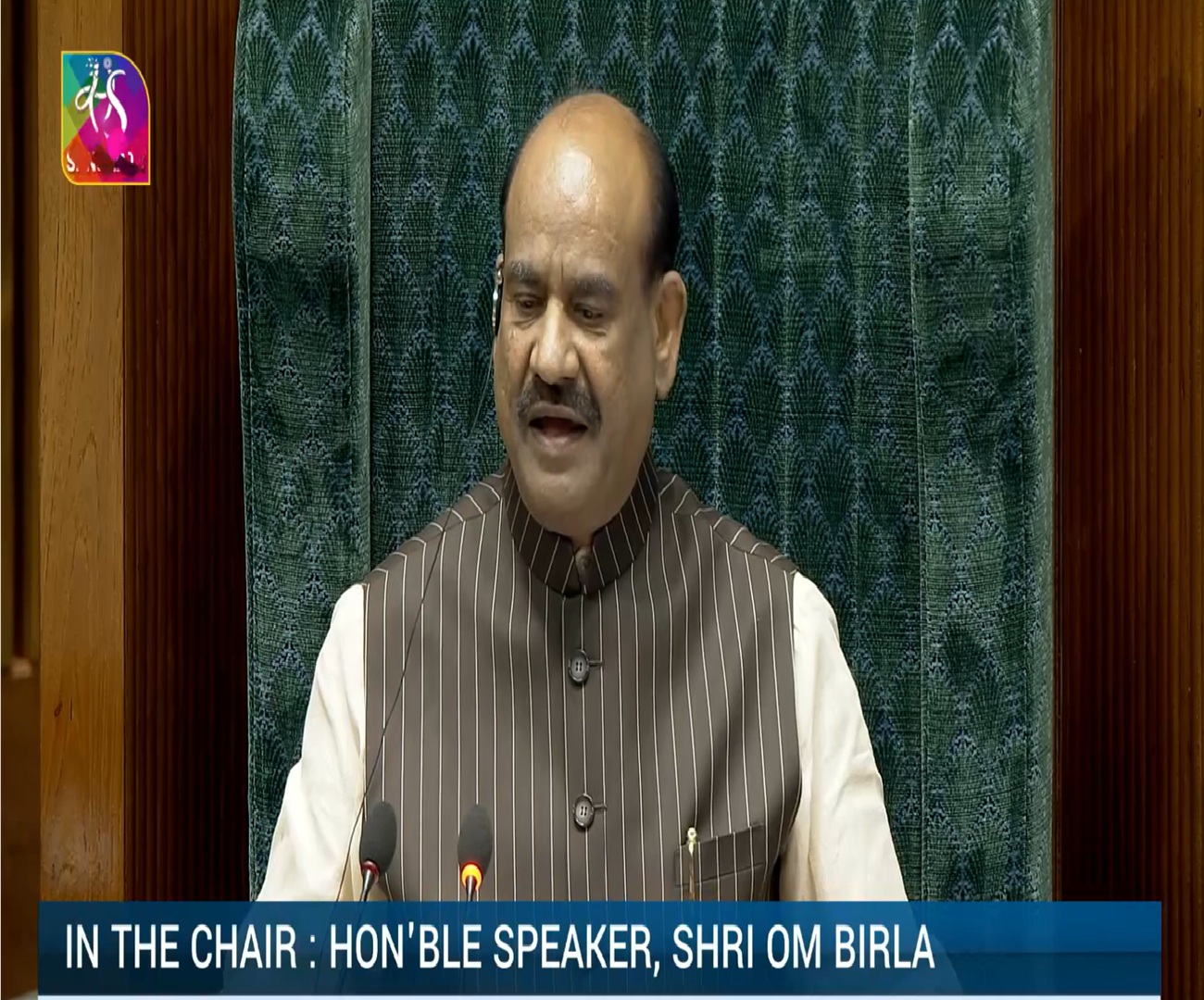
The Lok Sabha approved the anti-paper leak amendment bill on Wednesday amid continuous opposition sloganeering. Union Minister Dr. Jitendra Singh piloted the legislation to strengthen the existing 2024 law.
The passage comes directly after intense nationwide student agitations led by the Cockroach Janta Party. Those widespread protests previously forced Dharmendra Pradhan to step down as Union Education Minister.
#MonsoonSession2026#LokSabha passes the Public Examinations (Prevention of Unfair Means) Amendment Bill, 2026.
The Bill amends the Public Examinations (Prevention of Unfair Means) Act, 2024, with the objective of further strengthening the legal framework to prevent paper… pic.twitter.com/vKdvn6RWN4
— SansadTV (@sansad_tv) July 29, 2026
Key Legislative Milestones
├──► July 20, 2026 : Student protests break out across New Delhi
├──► July 24, 2026 : Dharmendra Pradhan resigns as Education Minister
├──► July 27, 2026 : Bill introduced in Lok Sabha by Dr. Jitendra Singh
└──► July 29, 2026 : Lok Sabha passes Amendment Bill by voice vote
Consequently, Parliament took decisive action to restore integrity to public competitive examinations nationwide. The new measure creates specialized fast-track courts and strict two-month investigation deadlines.
Furthermore, central authorities aim to deter organized syndicates through severe financial and criminal penalties. Following the bill’s passage, the Lok Sabha adjourned for the day amid persistent opposition shouting.
Also Read : CJP Saurav Das Student FIRs Written Guarantee Crisis Triggers Fresh Protest Warning
Enhanced Penalties and Faster Trials Under the Anti-Paper Leak Amendment Bill
The newly passed anti-paper leak amendment bill significantly raises penalties for individuals and organized networks. Individual offenders now face up to 10 years in prison alongside fines reaching ₹50 lakh.
Under previous 2024 regulations, individual prison sentences ranged only between three and five years. Moreover, fines for service providers involved in cheating schemes increased from ₹1 crore to ₹5 crore.
Comparison of Penalties (2024 Act vs. 2026 Amendment)
- Individual Jail Term : 3–5 years ──► 5–10 years (Enhanced)
- Individual Max Fine : ₹10 lakh ──► ₹50 lakh (Enhanced)
- Service Provider Fine: ₹1 crore ──► ₹5 crore (Enhanced)
- Organised Crime Fine : ₹1 crore ──► Up to ₹10 crore
Additionally, organized exam-related crimes now carry a minimum seven-year prison sentence. Organized syndicates can also incur massive penalties of up to ₹10 crore.
To ensure rapid justice, state governments can establish Special Fast Track Courts within local Session Courts. These courts must hold day-to-day trials and deliver verdicts within three months.
Similarly, police agencies must complete all paper leak investigations within a strict two-month window. Therefore, these binding deadlines prevent long delays in solving exam cheating cases.
Government Defends Reform Strategy and Cites Swift Action on NEET Leaks
Defending the legislation, Minister Jitendra Singh affirmed that the government learns continuously from practical experience. He noted that central agencies acted swiftly in investigating past NEET paper leak allegations.
Specifically, authorities registered 52 FIRs since enforcing the original anti-cheat framework in 2024. Moreover, Singh emphasized that student suicide rates related to paper leaks have decreased recently.
Key Administrative Highlights
├──► Enforcement Record : 52 FIRs registered since 2024 under original law
├──► Timeframe Mandate : Probes completed in 2 months; trials in 3 months
├──► Central Oversight : Special Task Force option for cross-state leaks
└──► Public Protection : Legitimate student test-takers excluded from prosecution
The minister reiterated that the law protects innocent student candidates from criminal prosecution. Instead, legal action targets corrupt officials, printing press owners, and cheating syndicates.
Additionally, the central government retains powers to deploy specialized national task forces for complex investigations. Consequently, the administration believes these structural reforms will rebuild public trust among millions of youth.
Opposition Protests and Parliamentary Clashes Mark House Proceedings
Despite the bill’s passage, the Lok Sabha experienced intense disruption from opposition benches throughout the session. Opposition MPs shouted slogans regarding recent police actions against student marchers in New Delhi.
During heated debates, Minister Singh sharply criticized Leader of Opposition Rahul Gandhi. Singh stated that Gandhi lacks basic understanding of parliamentary norms and government functioning.
Parliamentary Session Summary
- Minister In-Charge : Dr. Jitendra Singh (MoS Personnel & PMO)
- Opposition Focus : Police action during July 20 student protests
- Treasury Bench Focus : Deterring organized exam syndicates
- Final Outcome : Passed by voice vote; House adjourned
Furthermore, Parliamentary Affairs Minister Kiren Rijiju accused the Congress party of avoiding meaningful debate. He condemned unparliamentary language used during earlier discussions on student safety.
However, opposition members maintained that existing laws failed due to poor administrative execution. They demanded full government accountability for recent examination cancellations across multiple states.
Nevertheless, the treasury benches pushed forward with the anti-paper leak amendment bill to meet legislative targets. Voice votes cleared the measure before Speaker Om Birla adjourned proceedings.
Next Steps in Rajya Sabha and Broader Policy Implications
Having cleared the Lok Sabha, the anti-paper leak amendment bill now moves to the Rajya Sabha. Once approved by the Upper House, President Droupadi Murmu will receive it for formal assent.
Meanwhile, educational experts view these statutory changes as a critical step forward. The new provisions regulate every phase of testing, from seat allotment to digital question uploads.
Path to Nationwide Implementation
├──► Step 1 : Passage in Lok Sabha (Completed July 29, 2026)
├──► Step 2 : Introduction and voting in Rajya Sabha
├──► Step 3 : Presidential Assent by President Droupadi Murmu
└──► Step 4 : Notification of rules and Special Fast Track Courts
Ultimately, tighter security protocols aim to protect high-stakes tests conducted by national agencies. In conclusion, the legislative update marks a major turning point in India’s fight against examination fraud.