
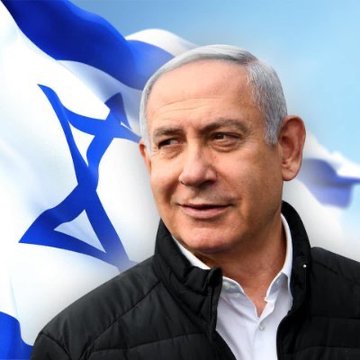
Israeli Prime Minister Benjamin Netanyahu has arrived in the United States capital for a critical diplomatic visit. The upcoming Netanyahu Trump meeting Washington marks their eighth summit during Donald Trump’s second presidential term.
Both leaders scheduled their formal Oval Office discussion for 11 a.m. Eastern Time at the White House. Crucially, the summit comes at a pivotal moment for Middle Eastern security following recent military developments.
🚨 Israeli Prime Minister Benjamin Netanyahu arrives in Washington DC ahead of his meeting with President Trump at 11 am EST. This will be the eighth meeting between the leaders during the Trump’s second term in Office. Iran and Lebanon will top the agenda in today’s meeting.… pic.twitter.com/cyYYSQUvjH
— גיא עזריאל Guy Azriel (@GuyAz) July 28, 2026
Key Agenda Items for White House Summit
├──► Primary Focus : Regional security and future strategy on Iran
├──► Lebanon Accord : Framework implementation along the northern border
├──► Regional Peace : Expanding Abraham Accords and Saudi normalization
└──► Memorial Service : Tributes for late U.S. Senator Lindsey Graham
Netanyahu departed Israel on Monday aboard the official Wings of Zion aircraft under heightened security protocols. Before departing, the prime minister emphasized that security remains his top objective.
Also Read : Saudi Prince London Hotel Death Inquest Rules Accidental Overdose Caused Fatal Cardiac Arrest
“We will discuss all the issues on the agenda, first and foremost Iran,” Netanyahu stated. Consequently, international observers expect intensive talks regarding security and regional stability.
Iran Strategy Tops Agenda for White House Discussions
The high-stakes Netanyahu Trump meeting Washington centers directly on neutralizing security threats posed by Tehran. Recent months saw significant joint military operations targeting Iranian nuclear facilities and missile infrastructure.
However, differences emerged regarding the precise timing of diplomatic engagements and ceasefires. President Trump recently emphasized America’s decisive role in supporting Israeli security.
U.S.-Israel Strategic Position on Iran
- Strategic Goal : Stop nuclear ambitions through diplomacy or force
- Intelligence : Close coordination between U.S. and Israeli agencies
- Economic Pressure : Continued sanctions to restrict regional proxy funding
- Defense Posture : Maintaining regional military readiness against threats
Additionally, Netanyahu noted that U.S. and Israeli intelligence agencies maintain seamless daily collaboration. He expressed his desire to hear President Trump’s broader vision for long-term regional containment.
Furthermore, Netanyahu reiterated that Israel retains the right to defend itself against future strikes. Therefore, both administrations seek a aligned approach moving forward.
Prime Minister Benjamin Netanyahu before departing on a visit to Washington:
“I am on my way to Washington for a meeting with our friend, President Donald Trump. This is my eighth meeting with him since he was elected president for his second term, more than any other… pic.twitter.com/R5Cf7lJ4od— Prime Minister of Israel (@IsraeliPM) July 27, 2026
Implementing the Lebanon Framework and Expanding Regional Peace
Beyond Iran, the leaders plan to review the implementation of the U.S.-sponsored framework deal in Lebanon. Israel seeks strict enforcement to prevent Hezbollah from rebuilding military positions along the border.
Moreover, Washington aims to stabilize southern Lebanon through diplomatic monitoring and regional support. Successful execution remains essential for allowing displaced civilians to return home safely.
Broader Middle East Diplomatic Objectives
├──► Northern Border : Enforcing ceasefire terms along southern Lebanon
├──► Gaza Stability : Multilateral stabilization and reconstruction plans
└──► Defense Alliances : Evaluating regional arms sales and tech advantages
Meanwhile, the Netanyahu Trump meeting Washington will explore opportunities to expand the historic Abraham Accords. Both leaders view diplomatic normalization with key Arab nations as vital for economic growth.
Additionally, talks will address potential U.S. defense equipment transfers within the broader Middle East region. Consequently, maintaining Israel’s qualitative military edge remains a core concern during these White House discussions.
Attending Memorial Service for Senator Lindsey Graham
During his stay in Washington, Prime Minister Netanyahu will also pay tribute to a prominent American legislator. Specifically, he will attend the official memorial service for the late U.S. Senator Lindsey Graham.
On Monday evening, Netanyahu attended a private memorial dinner honoring the influential Republican senator.
Memorial Honors for Senator Lindsey Graham
- Personal Tribute : Netanyahu praised Graham as a true, devoted friend
- National Legacy : Honoring decades of strong bipartisan foreign policy leadership
- Strategic Role : Recognizing Graham’s steadfast support for regional security
- Service Details : Official Capitol service scheduled alongside senior U.S. officials
Netanyahu described Graham as one of Israel’s greatest friends and a passionate defender of bilateral ties. “America has lost a great patriot,” Netanyahu remarked in his personal tribute.
Furthermore, President Trump and numerous congressional leaders will gather at the memorial service later today. This solemn occasion underscores the enduring personal and political bonds between both nations.
Future Outlook for U.S.-Israel Diplomatic Relations
This landmark Netanyahu Trump meeting Washington underscores the ongoing consultation between the two allied governments. While tactical disagreements occasionally surface, both leaders affirm their shared commitment to regional stability.
Additionally, constructive dialogue helps align national defense strategies against mutual security challenges.
Expected Outcomes from the Summit
├──► Joint Strategy : Coordinated diplomatic stance regarding Iran
├──► Border Security : Enhanced monitoring mechanisms for Lebanon
└──► Economic Growth : Renewed momentum for regional trade partnerships
In summary, the White House discussions will shape international policy across the Middle East for months ahead. As diplomatic meetings conclude, both administrations aim to demonstrate unified strength and strategic clarity.
Therefore, global observers remain closely focused on the outcomes emerging from Washington today. Clear consensus will further reinforce security alliances across the entire region.