
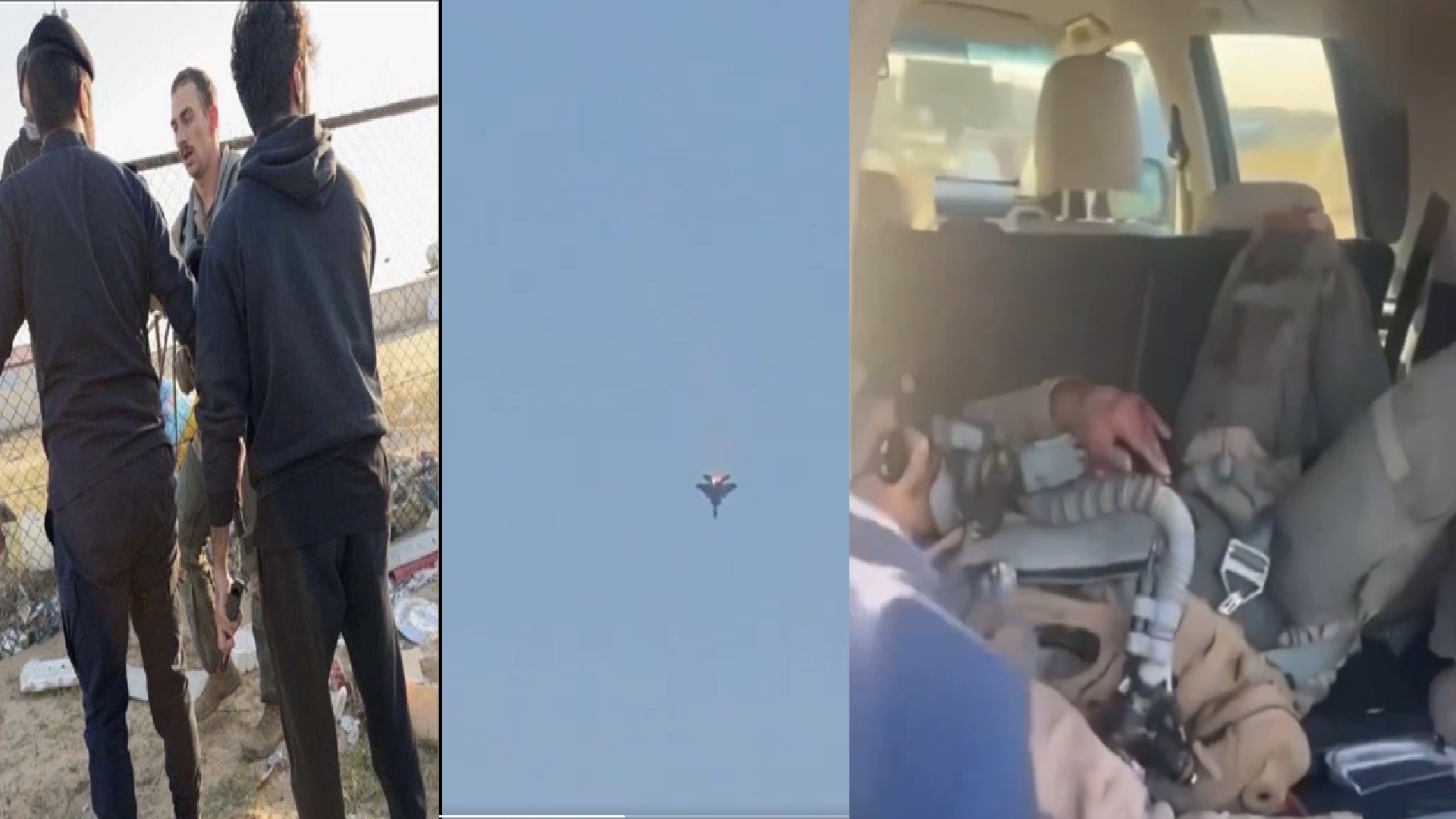
A United States Air Force F-15E Strike Eagle crashed early Monday morning near Al Jahra, Kuwait, marking a high-stakes incident on the third day of open hostilities between the U.S. and Iran. The crash occurred around 5:00 a.m. local time on March 2, 2026. Fortunately, both the pilot and the Weapons Systems Officer (WSO) ejected safely. Local civilians reportedly assisted the crew shortly after they landed by parachute.
While the crew survived, the wreckage caused significant collateral damage. Debris from the falling aircraft struck the Mina Al Ahmadi oil refinery, a critical piece of Kuwait’s energy infrastructure. Reports from the Kuwait Integrated Petroleum Industries Company (KIPIC) confirm that two workers sustained injuries due to the falling fragments. Emergency teams immediately deployed to the refinery to assess the damage and provide medical aid.
JUST IN: US FIGHTER JET CRASHES IN KUWAIT
JET DOWN, JET DOWN pic.twitter.com/n3pPUVuGK9
— Sulaiman Ahmed (@ShaykhSulaiman) March 2, 2026
Friendly Fire Suspected in Kuwait Airspace
As the conflict intensifies, the cause of the crash has become a subject of intense speculation. Social media footage geolocated to west of Al Jahra shows the aircraft descending in a fiery spiral. Furthermore, several defense analysts suggest the jet may have been a victim of friendly fire.
During the time of the crash, Kuwaiti and U.S. air defense units were actively intercepting Iranian missile and drone threats. Some initial reports indicate that a MIM-104 Patriot missile battery might have mistakenly engaged the F-15E. Such incidents often stem from “Identification Friend or Foe” (IFF) system malfunctions or radar confusion during high-intensity combat. However, the Pentagon has not yet issued a formal statement confirming these technical failures.
Day Three of Open War: US-Iran Hostilities Escalate
The crash is a direct consequence of the rapidly deteriorating security environment in the Persian Gulf. Following the death of Iranian Supreme Leader Ali Khamenei and strikes on Iranian nuclear sites during Operation Epic Fury, Tehran launched massive retaliatory barrages. Consequently, Kuwait, Bahrain, and the UAE have found themselves on the front lines.
Also Read : Taliban Drone Strikes Hit Pakistan’s Nur Khan Airbase Amid Escalating War
Additionally, the U.S. Embassy in Kuwait recently issued a “shelter in place” order for American citizens. The advisory warned of continuing threats from unmanned aerial vehicles (UAVs) and ballistic missiles. Meanwhile, Iranian state media has attempted to capitalize on the crash, claiming that the pilot was captured. U.S. and Kuwaiti sources have dismissed these claims as propaganda, confirming the crew is currently under the protection of local Kuwaiti authorities.
Strategic Impact on Regional Stability
The loss of a sophisticated Strike Eagle underscores the risks of prolonged air operations in congested and contested airspace. Moreover, the hit on the Mina Al Ahmadi refinery highlights how military accidents can bleed into the global energy sector. If friendly fire is confirmed, it will likely lead to a review of coalition coordination protocols.
Humanitarian Toll: Two refinery workers injured; thousands displaced by sirens in Kuwait City.
Military Loss: One F-15E Strike Eagle (approximate cost: $80 million).
Diplomatic Fallout: Increased pressure on Gulf allies hosting U.S. assets.
As the sun sets on day three of this “open war,” the focus remains on de-escalating a conflict that has already claimed high-value military assets and civilian lives. Unless diplomatic channels are reopened, the risk of further miscalculations remains dangerously high