
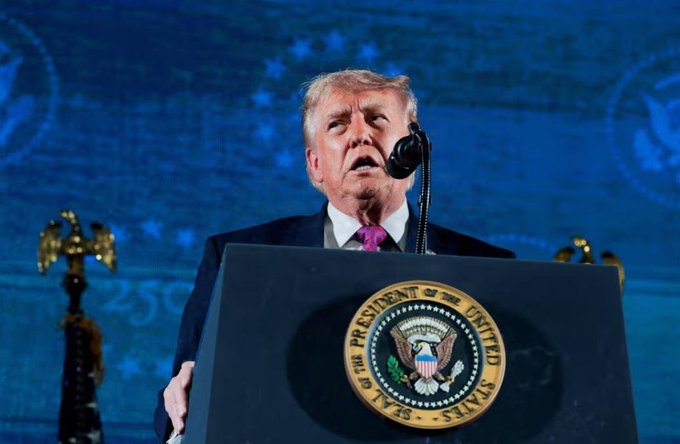
WASHINGTON — The White House dropped a major trade policy shift on Thursday as a Trump new tariff bomb hit imports from sixty nations. The Office of the United States Trade Representative (USTR) announced fresh duties ranging from 10% to 12.5% on major global trading partners.
U.S. Section 301 Tariff Package Overview
├──► Effective Date : 12:01 AM Friday (replacing expiring 10% global duty)
├──► Import Coverage : 60 trading partners accounting for 99.4% of U.S. imports
├──► 10% Tariff Tier : India, Canada, UK, Mexico, Indonesia, Bangladesh
├──► 12.5% Tariff Tier : China, Japan, South Korea, Brazil, and 40+ nations
└──► Legal Authority : Section 301 of the Trade Act of 1974
The fresh levies take effect at 12:01 a.m. on Friday. They directly replace an expiring 10% near-universal emergency tariff that the U.S. Supreme Court previously struck down in February.
According to U.S. Trade Representative Jamieson Greer, the measures target countries over alleged failures to enforce import bans on goods made with forced labor.
Strategic Shift Following Supreme Court Setbacks and Expiry of Temporary Levies
The official rollout comes as administration officials rebuild their long-term tariff agenda around statutory tools. Earlier emergency declarations suffered major legal defeats in federal courts. Consequently, the administration turned to Section 301 of the Trade Act of 1974.
U.S. Trade Action Timeline
- February 2026 : Supreme Court invalidates emergency tariff authority
- March 2026 : USTR opens Section 301 probes into 60 national economies
- June 2026 : USTR proposes tiered duties over forced labor enforcement
- July 24, 2026 : New 10%–12.5% levies take effect as 150-day stopgap ends
Legal scholars note that Section 301 tariffs offer significantly higher legal durability. Senior officials stated the administration will use every available statutory power to achieve its trade goals.
Furthermore, officials structured the new rollout to avoid overlapping tariff schedules. Importers and global logistics firms had requested clearer rate structures after months of legal ambiguity.
India Secures Lower Tier While Other Major Economies Face Higher Rates
In a notable development for South Asian trade, India qualified for the lower 10% tariff band. Initially slated for a steeper 12.5% levy, Indian negotiators demonstrated constructive efforts toward curbing forced labor in local supply networks.
Also Read : Trump Signs Nuclear Deal Saudi Arabia: US Approves Landmark 30-Year Civilian Atomic Pact
Key Tariff Allocations by Nation
├──► Lower Tier (10%) : India, UK, Canada, Mexico, Argentina, Sri Lanka
├──► Higher Tier (12.5%): China, Japan, South Korea, Brazil, plus 40+ countries
├──► Special Rules : MFN net deductions applied for EU, Japan, & South Korea
└──► Exempted Goods : Crude oil, natural gas, and non-domestically sourced items
Seventeen economies joined India in the 10% bracket, including the United Kingdom, Canada, Mexico, and Bangladesh. Meanwhile, major industrial exporters like China, Japan, and South Korea face the maximum 12.5% rate.
However, the USTR clarified that energy products like crude oil and natural gas remain exempt. Goods that cannot be sourced domestically within the U.S. also receive key exemptions.
International Backlash and Global Market Reactions
The sudden Trump new tariff bomb triggered immediate condemnation from key U.S. trading allies. Officials in Tokyo expressed strong regret, arguing that higher rates on Japanese exports lack justification.
Global Diplomatic Responses
- Brazil : Called levies “arbitrary” and announced WTO legal challenge
- European Union : Labelled forced labor justifications “unjustified”
- Japan : Expressed deep regret over 12.5% duty classification
- U.S. Lawmakers : Congressional Democrats criticized pretextual use of labor laws
Similarly, the Brazilian government called the U.S. action arbitrary and announced plans to trigger its domestic reciprocity law. Brazil also intends to lodge a formal dispute at the World Trade Organization.
Inside Washington, opposition lawmakers questioned the timing of the forced labor justification. Representative Richard Neal warned that human rights standards should not become a convenience for dubious trade policies.
Additional Probes and What Lies Ahead for U.S. Import Costs
While administration officials claim consumer prices will not jump immediately, retail analysts urge caution. Importers have already absorbed similar stopgap duties over recent months, but sustained levies may eventually trickle down.
Broader U.S. Trade Investigation Agenda
├──► Overcapacity Probe : Section 301 inquiry into China, Mexico, & the EU
├──► Canadian Sanctions : Planned 50% tariff under Smoot-Hawley provisions
└──► Pharma Onshoring : Phased levies on imported generic drugs
Additionally, the White House is preparing further trade restrictions. The USTR is currently investigating global manufacturing overcapacity across sixteen major economies.
Furthermore, Washington recently announced separate plans to impose a 50% tariff on specific Canadian goods next month. As global supply chains adjust, businesses worldwide face a rapidly shifting American economic posture.