
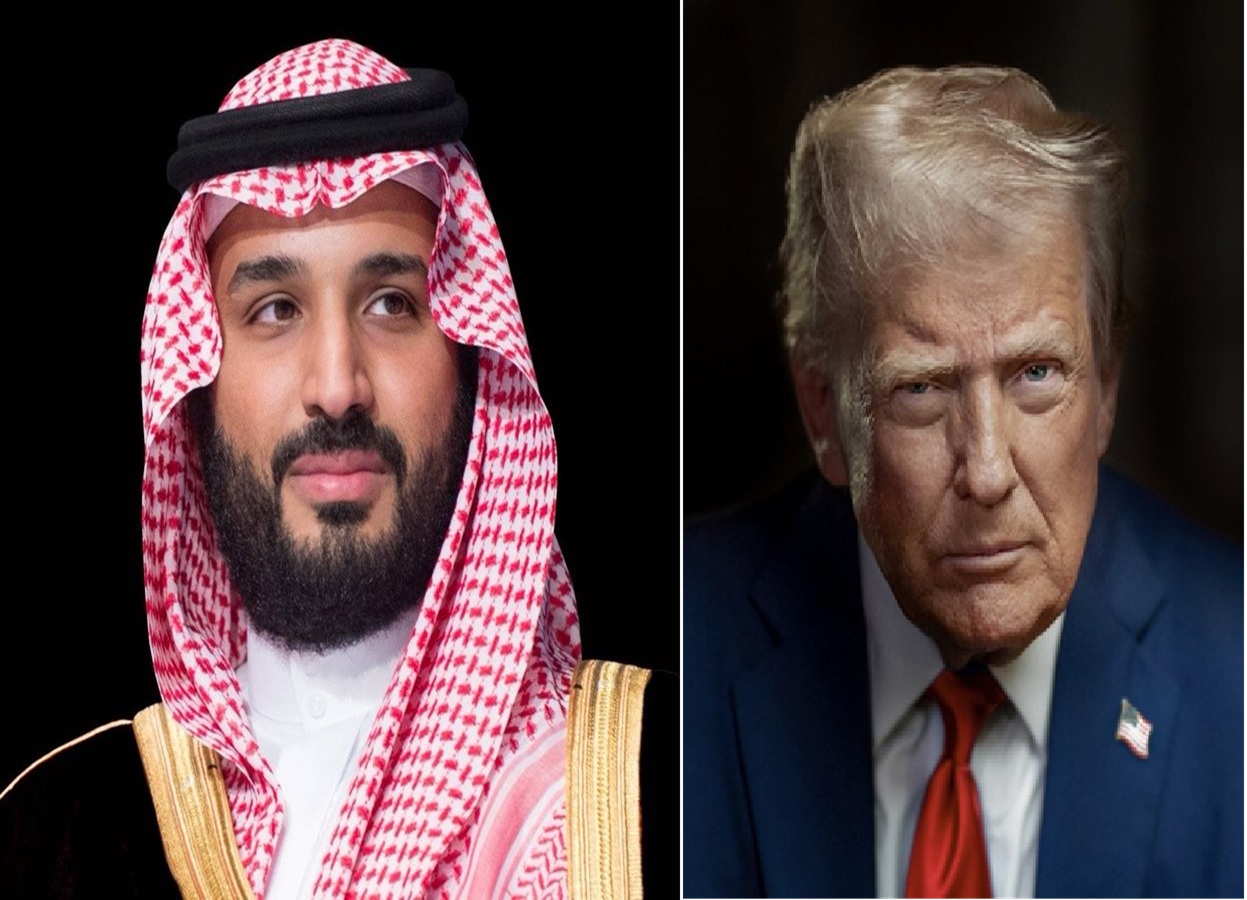
President Donald Trump signs nuclear deal Saudi Arabia in a landmark move for Middle East energy policy. The historic agreement establishes a 30-year civilian nuclear partnership between Washington and Riyadh. Furthermore, the pact gives American companies a central role in building Saudi nuclear infrastructure. The deal could generate tens of billions of dollars for United States technology firms.
However, the pact departs significantly from traditional nuclear nonproliferation safeguards. Unlike previous agreements, it allows potential domestic uranium enrichment inside the kingdom. Energy Secretary Chris Wright and Saudi Energy Minister Prince Abdulaziz bin Salman finalized the terms. Officials plan to submit the Section 123 Agreement to Congress immediately. Consequently, lawmakers will review the agreement under the Atomic Energy Act.
President Trump has formally approved a landmark agreement with Saudi Arabia that will provide the country with a civilian nuclear program and potentially open the door to uranium enrichment in the kingdom’s territory, according to U.S. officials. https://t.co/B6QUmxVVpw
— The Wall Street Journal (@WSJ) July 22, 2026
Key Features of the US-Saudi Section 123 Pact
The agreement provides a comprehensive legal framework for long-term civilian nuclear cooperation. Under Section 123 rules, Washington permits atomic energy technology transfers to foreign partners. Additionally, American vendors will build advanced reactors and supply nuclear fuel components.
US-Saudi Civil Nuclear Agreement Framework
├──► Legal Instrument : Section 123 Agreement under Atomic Energy Act
├──► Timeline Scope : 30-Year Strategic Civil Energy Partnership
├──► Economic Value : Tens of Billions in US Exports and Construction
└──► Fuel Provision : Joint Feasibility Study on Local Uranium Enrichment
Importantly, a joint study will evaluate building a domestic uranium enrichment plant. As a result, Riyadh could eventually supply enriched fuel for regional energy grids.
Core Provisions of the Atomic Energy Pact
- Bilateral safeguard measures for nuclear security
- Direct involvement of major American technology firms
- Option for local uranium enrichment facility
- 90-day congressional review period under US law
Moreover, administration officials stress that the deal counters growing Russian and Chinese regional influence. By securing this alliance, Washington cements its position as Riyadh’s primary energy partner. Therefore, the agreement aligns with broader efforts to stabilize Gulf economic interests.
Also Read : Israel US War Iran: Why Israel Refuses to Join Direct Campaign
Proliferation Concerns and The Safeguard Debate
Despite economic benefits, nonproliferation experts express strong concerns regarding the missing safeguards. Specifically, the pact lacks the traditional “Gold Standard” nonproliferation restrictions. In contrast, earlier US agreements prohibited partner nations from enriching uranium fuel.
| Safeguard Feature | Standard Gold Standard Pact | New US-Saudi Agreement |
| Local Uranium Enrichment | Explicitly Prohibited | Allowed After Joint Study |
| Plutonium Reprocessing | Strictly Forbidden | Subject to Bilateral Review |
| IAEA Additional Protocol | Mandatory Inspection Standard | Omitted from Core Draft |
| Primary Technology Partner | United States Suppliers | Preferred American Vendors |
Furthermore, critics highlight that the agreement omits the IAEA Additional Protocol. Without this protocol, international inspectors lack automatic authority for unannounced site visits.
Additionally, lawmakers worry about regional arms race risks across the Middle East. Saudi officials previously stated that atomic capabilities protect national security interests. Consequently, congressional members expect rigorous debates during the statutory 90-day review period. Nevertheless, administration leaders argue that strong bilateral controls effectively guarantee safe operations.
Geopolitical Implications and Congressional Scrutiny
The timing of the decision reflects broader geopolitical shifts across the Gulf region. As Trump signs nuclear deal Saudi Arabia, global markets anticipate significant economic shifts. Furthermore, the deal includes access to critical rare earth minerals and advanced technology.
Geopolitical & Strategic Impact
├──► Energy Security : Diversifies US Enriched Uranium Sources
├──► Trade Synergy : Expands Critical Minerals Supply Chains
├──► Tech Transfer : Facilitates Managed AI System Integration
└──► Regional Pivot : Excludes Russian & Chinese Nuclear Contractors
Meanwhile, Capitol Hill prepares for intense bipartisan scrutiny regarding nonproliferation standards. Several senators demand strict monitoring to prevent weapons proliferation risks. However, supporters contend that excluding American firms would invite Chinese involvement.
Consequently, the administration aims to build strong congressional consensus quickly. Ultimately, this historic agreement redefines US-Saudi relations for decades to come.