
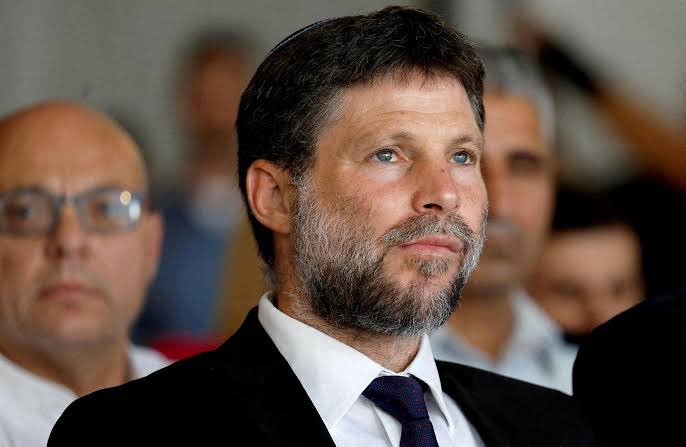
The escalating Israel US war Iran standoff has reshaped regional security dynamics across the Middle East. However, Israeli leadership announced a surprisingly cautious position regarding direct involvement. Israeli Finance Minister Bezalel Smotrich declared that Israel has no interest in joining direct strikes. Consequently, Jerusalem prefers to stay on the sidelines while allowing American forces to handle operations. Furthermore, state officials argue that ongoing economic sanctions against Tehran serve national interests best.
Israel US War Iran Framework
├──► Primary Focus : Economic Containment & Inflation Tracking
├──► Operational Role : Defensive Perimeter Readiness
├──► Allied Leader : United States Direct Air Campaign
└──► Core Goal : Weakening Tehran Without Direct Retaliation
Additionally, political analysts note that this strategy protects domestic infrastructure from immediate heavy missile counter-strikes. Meanwhile, Israeli defense forces remain on high alert along northern borders to address prospective sudden escalations. Therefore, the government focuses on maintaining domestic stability while the Israel US war Iran confrontation continues.
Read More : Iran considering Ground Incursion Into Kuwait to Seize US Bases
Why Israel Stays Out of the Active Campaign
Israeli security experts believe the current conflict format weakens opposing forces without imposing extreme direct costs. By letting Washington maintain military pressure, Jerusalem conserves vital air assets for immediate defensive needs. Moreover, joining active bombing runs could trigger massive rocket attacks against urban centers. Consequently, staying on the sidelines reduces immediate risks to critical energy grids and maritime trade routes.
Strategic Benefits of Non-Involvement
- Reduces Immediate Direct Missile Risks
- Preserves Air Force Assets for Emergencies
- Leverages Foreign Economic Pressure
- Prevents Multi-Front Regional Escalation
Furthermore, Israeli leaders view economic degradation as an effective long-term method to neutralize opposing regimes. In fact, Smotrich pointed to soaring inflation in Tehran as proof that non-military pressure works effectively. Therefore, avoiding direct entry in the Israel US war Iran crisis fits Jerusalem’s current defense priorities. However, defense officials continue updating military plans in case regional conditions shift suddenly.
What Jerusalem’s Strategy Means for the Regional Conflict
Israel’s stance does not mean ideological neutrality in the ongoing Israel US war Iran struggle. Instead, it reflects a calculated preference for indirect containment over immediate direct battlefield participation. This posture permits Israel to benefit from degraded enemy infrastructure without becoming the main target for retaliation.
| Strategic Indicator | Current Non-Involvement | Direct Military Entry |
| Retaliation Exposure | Low risk of direct long-range missile strikes | High risk of heavy retaliatory salvos |
| Resource Allocation | Defensive readiness and border monitoring | Heavy consumption of advanced munitions |
| Economic Impact | Controlled domestic defense spending | Massive budget strain from sustained warfare |
| Alliance Dynamic | Washington leads direct operations | Shared operational burden and target distribution |
Additionally, this approach establishes a compartmentalized conflict dynamic across regional battlefields. Under this scenario, foreign forces exchange targeted strikes while Israel guards its immediate perimeters. Nevertheless, government officials warn that any direct threat to national sovereignty will provoke immediate military force.
Tensions Between Washington and Jerusalem
The evolving Israel US war Iran calculus unfolds amidst shifting diplomatic relations between US President Donald Trump and Prime Minister Benjamin Netanyahu. Although both administration heads maintain a hardline stance against Tehran, their working relationship has become increasingly complex. President Trump focuses on controlling broader diplomatic outcomes and maintaining global economic stability. Meanwhile, Netanyahu seeks maximum operational freedom to counter security challenges near domestic borders.
US-Israel Diplomatic Dynamics
├──► Washington Focus : Strategic Leverage & Managed Campaign Scope
├──► Jerusalem Focus : Total Operational Freedom on Regional Borders
├──► Friction Point : Timing of Diplomatic Ceasefire Initiatives
└──► Mutual Agreement : Permanent Reduction of Tehran’s Regional Power
Furthermore, international reports indicate occasional friction regarding diplomatic ceasefire timelines and military strategy. However, both nations remain firmly united on the primary goal of curbing regional security threats. Ultimately, as the Israel US war Iran drama develops, Jerusalem’s current policy prioritizes strategic caution over direct involvement.