
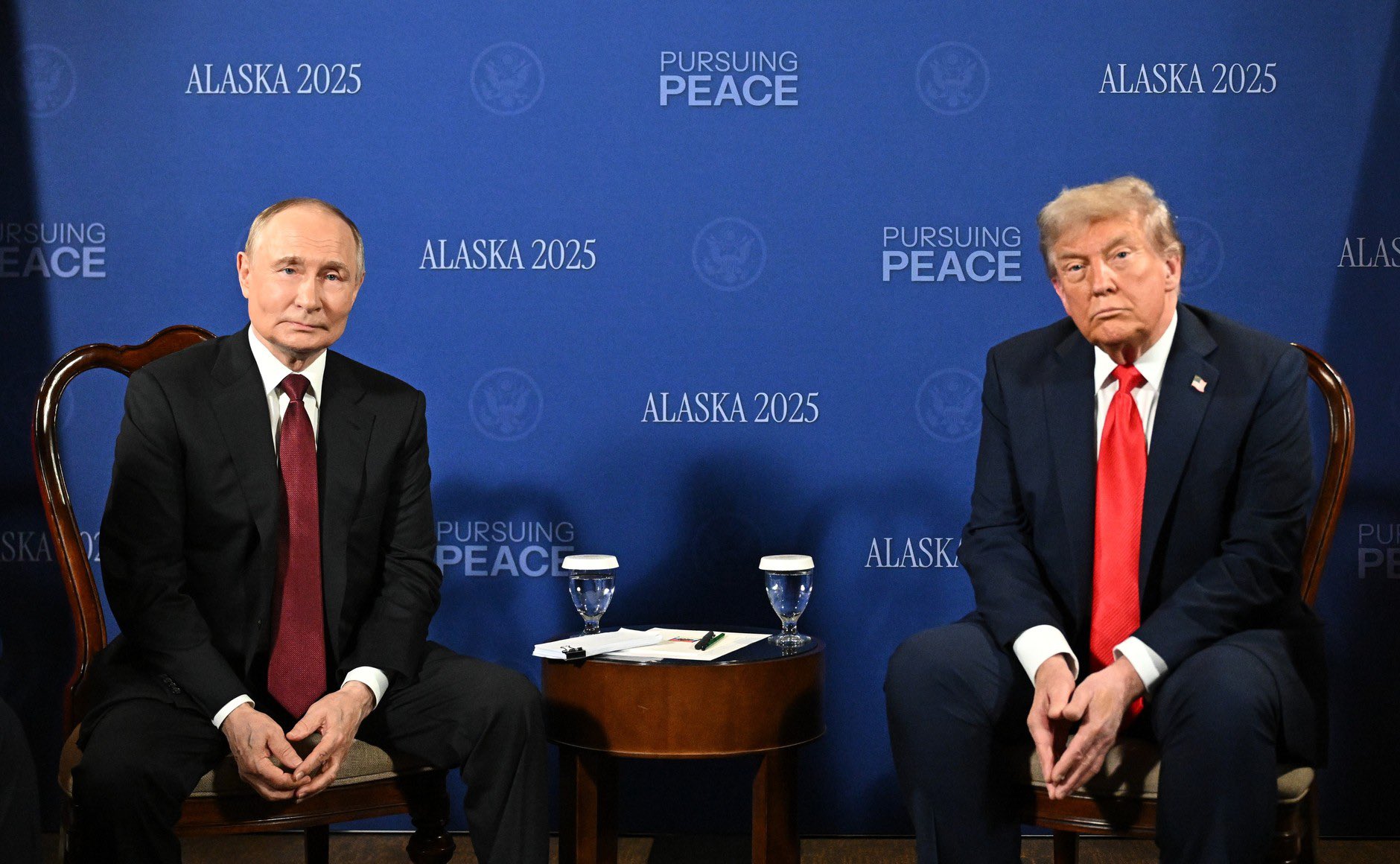
High-Stakes Meeting Ends Inconclusive
The much-anticipated meeting between US President Donald Trump and Russian President Vladimir Putin in Alaska concluded without any breakthrough. Despite hours of discussions, the two leaders failed to reach a consensus on key issues ranging from energy security to global trade.
India, along with several other nations, had been closely observing the outcome of the summit, given its implications for tariffs and energy imports. However, Trump’s remarks after the talks suggested a notable shift in his approach.
Trump’s Changed Tone on Tariffs
In a departure from his usual aggressive stance, Trump adopted a more cautious tone regarding tariffs. When asked about potential duties on India and China, the US President said, “There is no need for it at the moment.”
The response was significant, especially as Trump has previously threatened to impose steep tariffs on countries purchasing Russian oil. The US has been attempting to restrict Moscow’s energy revenues through trade measures, but Trump hinted at delaying additional tariffs.
Speaking to reporters, Trump noted, “If needed, we can consider tariffs in two or three weeks, but not now. This meeting was excellent.”
Focus on Oil and Secondary Sanctions
Energy trade was at the center of discussions. Trump has long pushed for secondary sanctions on nations that continue to buy oil from Russia. This includes India, which has increased Russian crude imports in recent years.
In his post-summit comments, Trump clarified that he was referring to retaliatory tariffs targeting countries engaged in oil trade with Russia. While no final decision was announced, he left the door open for stricter measures in the near future.
This comes as Washington tries to balance pressure on Russia with global market realities, especially in the wake of ongoing geopolitical tensions.
India’s Watchful Eye
For India, the Trump-Putin meeting carried strategic significance. New Delhi has strengthened energy cooperation with Moscow despite Western sanctions. Any move by Washington to penalize countries importing Russian oil could impact India’s energy security and foreign policy choices.
Indian policymakers were particularly attentive to Trump’s softened tone. His statement that tariffs were not an immediate priority may provide temporary relief. However, the possibility of secondary sanctions in the coming weeks means New Delhi remains cautious.
What Lies Ahead
While the Alaska meeting did not yield concrete agreements, it reflected evolving dynamics in global diplomacy. Trump’s willingness to hold off on tariffs signals tactical recalibration, possibly influenced by his engagement with Putin.
Experts believe that the inconclusive summit underscores the complexity of US-Russia relations, where rivalry and necessity often coexist. For countries like India, which maintain ties with both powers, the outcome creates both relief and uncertainty.
As Trump himself admitted, discussions may lead to new tariffs within weeks. Until then, India and other nations will continue to navigate the fine balance between economic needs and geopolitical pressures.