
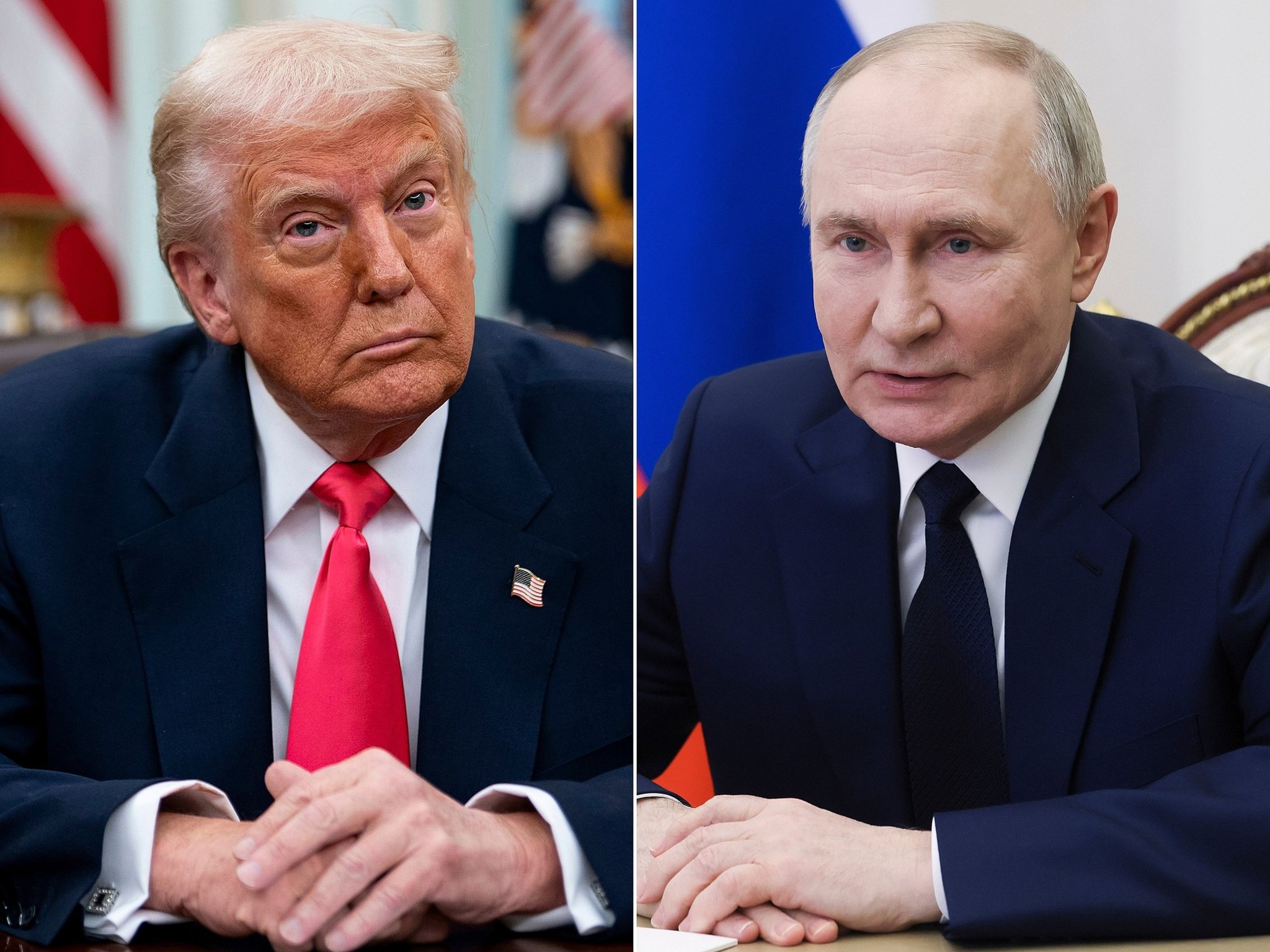
Moscow : In a measured yet pointed response, the Kremlin on Monday advised restraint in global nuclear discourse following a bold claim by U.S. President Donald Trump. Trump recently stated that he ordered the repositioning of two U.S. nuclear submarines in response to comments made by former Russian President Dmitry Medvedev.
Kremlin spokesperson Dmitry Peskov downplayed the military implications of Trump’s announcement. However, he emphasized the importance of exercising extreme caution when discussing nuclear capabilities.
“It is obvious that American submarines are already on combat duty. This is an ongoing process,” Peskov said during a press briefing.
The statement marks Russia’s first official reaction to Trump’s controversial remark, which has drawn international scrutiny amid already tense U.S.-Russia relations.
Trump’s Submarine Order Sparks Diplomatic Concern
Last Friday, Trump made headlines when he revealed that he had ordered two U.S. nuclear submarines to relocate to “appropriate regions.” The order came shortly after Medvedev, now deputy chairman of Russia’s Security Council, warned of the risk of direct conflict between nuclear powers.
While Trump didn’t elaborate on the subs’ exact locations, the tone of his statement carried a clear message: the U.S. would respond with strength to nuclear threats, even rhetorical ones.
Despite the potentially provocative nature of the comment, Peskov avoided declaring the move as escalatory.
“We do not believe that we are talking about any escalation now,” he said. “These are complex and sensitive issues, often perceived emotionally by the public.”
Kremlin Urges All Sides to Tread Carefully on Nuclear Issues
Rather than confront Trump directly, Peskov urged all global actors to show responsibility when making statements involving nuclear weapons.
“Of course, we believe that everyone should be very, very careful with nuclear rhetoric,” he stated.
When asked whether the Kremlin had advised Medvedev to tone down his inflammatory online exchanges with Trump, Peskov sidestepped the question.
“In every country, members of leadership hold different views. There are hardliners both in the U.S. and Europe,” he said.
He added that Russia’s foreign policy is ultimately guided by President Vladimir Putin and not individual politicians.
“In our country, foreign policy is formulated by the head of state — that is, President Putin.”
Nuclear Tensions Loom Over Global Politics
Trump’s submarine order comes amid broader geopolitical uncertainty, including the ongoing conflict in Ukraine and rising friction between NATO and Russia. The introduction of nuclear rhetoric into these tensions adds a dangerous layer of complexity.
While both the U.S. and Russia have maintained nuclear postures since the Cold War, public declarations of submarine movements are rare and typically reserved for times of heightened diplomacy or brinkmanship.
Analysts warn that normalizing such rhetoric may desensitize global audiences to the risks of nuclear engagement.
“Words have power — especially when nuclear weapons are involved,” said a senior security analyst from a Washington-based think tank. “Both sides must prioritize diplomacy over display.”