
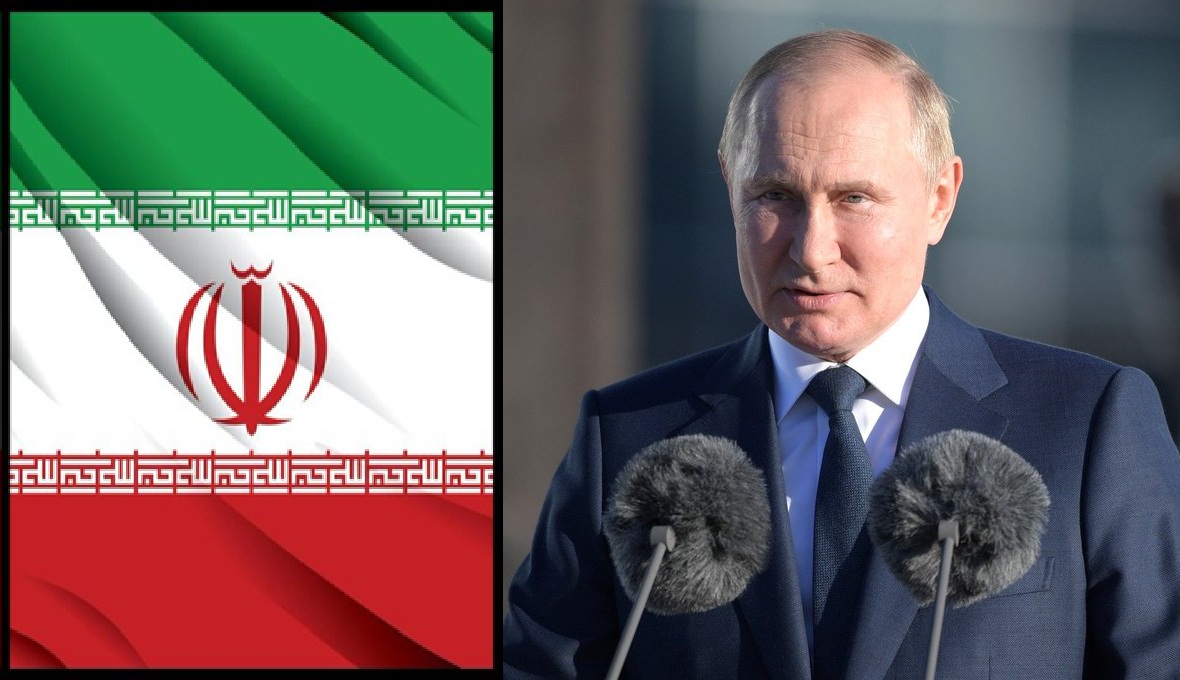
The “strategic partnership” between Moscow and Tehran faces its toughest test as Russia formally snubs Iran’s plea for military aid. On Monday, March 2, 2026, the Kremlin clarified that its alliance with the Islamic Republic has clear limits. Despite years of deepening defense ties, Russia has signaled it will not be drawn into a direct conflict with the United States or Israel.
Kremlin spokesman Dmitry Peskov emphasized that membership in the BRICS bloc does not equate to a military alliance. He told reporters that the organization focuses on economic and political cooperation rather than collective security. Consequently, Russia maintains that BRICS is not a mutual defense pact, leaving Iran to navigate its current crisis without Moscow’s “boots on the ground.”
Diplomatic Condemnation Replaces Military Action
This shift in stance follows the massive U.S. and Israeli air strikes launched on February 28, which reportedly resulted in the assassination of Supreme Leader Ayatollah Ali Khamenei. While Russia has been quick to offer words of support, it has been slow to offer weapons. Foreign Minister Sergei Lavrov and Chinese Foreign Minister Wang Yi held a high-level call on Sunday to condemn the attacks.
Also Read : Passengers Affected as Middle East Conflict Flight Disruption Hits Air India and IndiGo
The two ministers labeled the strikes as “unprovoked acts of aggression” that violate international law. President Vladimir Putin also sent a personal telegram of condolence to Iranian President Masoud Pezeshkian. In his message, Putin praised Khamenei as an “outstanding statesman.” However, observers note that these diplomatic gestures do not include the S-400 missile systems or fighter jets Tehran desperately needs to defend its airspace.
Strategic Hedging and the Institute for the Study of War Analysis
Analysts at the Institute for the Study of War (ISW) suggest that Russia is practicing “strategic hedging.” By distancing itself militarily, Moscow aims to preserve its own bargaining chips with Washington. Experts argue that Putin is wary of damaging potential negotiations regarding the conflict in Ukraine. Moreover, Russia has recently internalized the production of drone technology, making continued Iranian deliveries less critical for the Kremlin’s own war efforts.
Furthermore, the ISW noted that Putin’s recent statements avoided naming the United States or Israel directly. This subtle omission suggests a calculated effort to avoid further escalation with the West. While the Russian Foreign Ministry continues to issue sharp rhetoric against “regime change” policies, the lack of concrete military movement indicates a significant cooling of the “no-limits” partnership.
BRICS Expansion and the Future of Regional Security
The refusal to intervene raises serious questions about the future of the expanded BRICS 11-member bloc. With countries like the UAE, Saudi Arabia, and Egypt now part of the group, a collective military response would be nearly impossible. Each member has unique security ties with the United States, creating a complex web of conflicting interests.
Peskov confirmed that no formal consultations have been organized within BRICS regarding the escalation in Iran. Instead, Moscow appears focused on maintaining its “southern flank” security through diplomacy rather than force. For Tehran, this “strategic distance” from its most powerful ally could mean a long and isolated struggle ahead.