
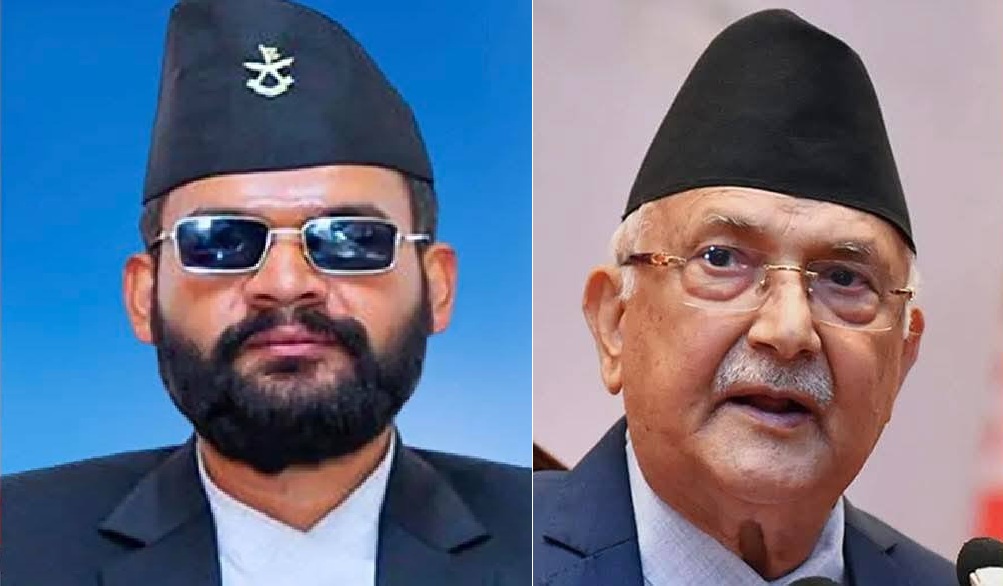
KATMANDU: The political landscape of Nepal shifted today in a way few experts predicted. Four-time Prime Minister KP Sharma Oli officially congratulated Balendra Shah, known as “Balen,” on Saturday. This followed a crushing defeat for the veteran leader in his own long-held stronghold. The victory marks a monumental turning point for the Himalayan nation.
A Landslide Win in Jhapa-5
Balen Shah represented the Rastriya Swatantra Party (RSP) in the high-stakes Jhapa-5 constituency. He secured a massive 68,348 votes. Meanwhile, the 74-year-old CPN-UML chairman managed only 18,734 votes. This margin of nearly 50,000 votes ended Oli’s decades-long dominance in eastern Nepal.
The Election Commission confirmed the results early Saturday evening. Consequently, Balen is now the frontrunner for the Prime Minister’s office. His party is currently heading toward a potential landslide victory nationwide. Moreover, the RSP has already secured or is leading in over 110 seats.
Also Read : Pakistan Fuel Crisis Worsens Amid Iran War Disruptions
From Street Protests to Parliamentary Power
This election followed a period of intense civil unrest. In September 2025, massive youth-led protests rocked the country. These “Gen Z” demonstrations began over a social media ban and corruption. Unfortunately, the unrest led to the deaths of at least 77 people.
The subsequent resignation of KP Sharma Oli on September 9, 2025, paved the way for these polls. Balen Shah, a former structural engineer and rapper, tapped into this frustration. He promised a “trouble-free” tenure and a break from the old guard. His transition from Kathmandu Mayor to national leader has been remarkably swift.
The “Tabla” Peace Offering
Despite the bitter campaign, Oli showed grace in his concession. He posted a congratulatory message on social media. Interestingly, he included a 2022 photo of himself gifting a “tabla” to Balen. He wished the 35-year-old a successful five-year term.
Furthermore, Oli noted the need for stability in Nepal. The country has seen 14 governments in just 18 years. Most citizens hope this new mandate brings the consistency that previous administrations lacked. Additionally, the RSP’s focus on transparency resonates with a weary electorate.
A New Era for Himalayan Governance
The RSP’s rise signifies a total rejection of traditional party politics. Younger voters specifically chose the “emerging youth force” over conservative leaders. While Oli remains a significant figure, his influence appears to be waning.
Looking ahead, Balen Shah faces the daunting task of forming a government. He must navigate a complex economic climate and high public expectations. Nevertheless, his historic win in Jhapa-5 proves that the Nepali public is ready for change.