
128
MOSCOW — Russia’s capital is currently grappling with a historic weather event. Meteorologists from Moscow State University (MSU) confirmed on Thursday that the city has recorded its heaviest snowfall in over 203 years. A relentless series of deep cyclones has transformed the metropolis of 13 million into a frozen landscape. By late January 2026, precipitation levels reached a staggering 92 mm, shattering records that have stood since the early 19th century.
Residents in the central districts struggled to navigate streets where snow piles reached heights of 60 to 65 centimeters. While Moscow is accustomed to harsh winters, the sheer volume of this month’s accumulation is unprecedented in modern history.
Atmospheric Fronts and Urban Paralysis
The MSU Meteorological Observatory attributed this extreme weather to “deep and extensive cyclones” carrying sharp atmospheric fronts. These systems have moved steadily across the region, dumping more than 40% of the monthly average precipitation in single 24-hour windows. Consequently, the city’s infrastructure is under immense pressure.
Commuter trains faced significant delays, and motorists endured grueling traffic jams throughout Thursday evening. Transportation officials have repeatedly urged Muscovites to abandon their cars in favor of the underground metro system. Despite the massive scale of the storm, major airports like Sheremetyevo have managed to remain operational. However, they reported clearing over one million cubic meters of snow from runways in just one weekend.
Emergency Situations from Moscow to Kamchatka
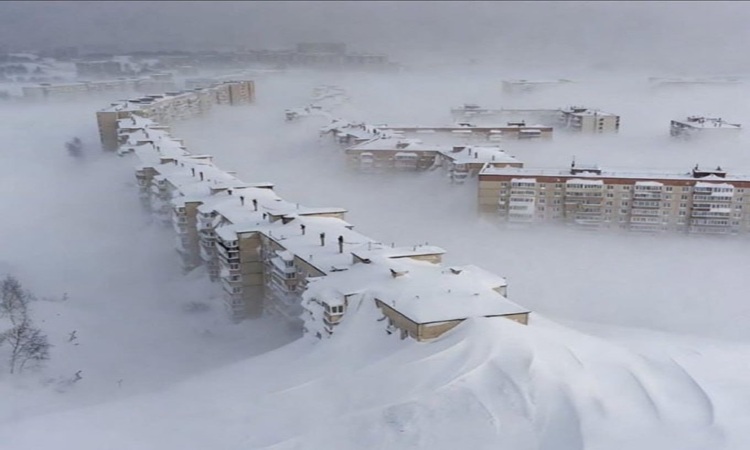
The crisis in the capital mirrors even more extreme conditions in Russia’s Far East. Earlier this month, the Kamchatka region declared a state of emergency. A “snow apocalypse” there left major cities partially paralyzed, with snowdrifts reaching the second story of buildings.
Tragically, the heavy accumulation has proven fatal. Officials in Petropavlovsk-Kamchatsky reported at least two deaths caused by snow collapsing from rooftops. Moreover, emergency services struggled to reach fire scenes as trucks became stuck in drifts exceeding 2.5 meters.
Back in Moscow, the record-breaking January is expected to conclude with a “bitter coldsnap.” Temperatures are forecast to plunge to minus 20 degrees Celsius by the weekend. This ensures that the massive piles of snow will remain a permanent fixture of the city’s skyline for weeks to come.