
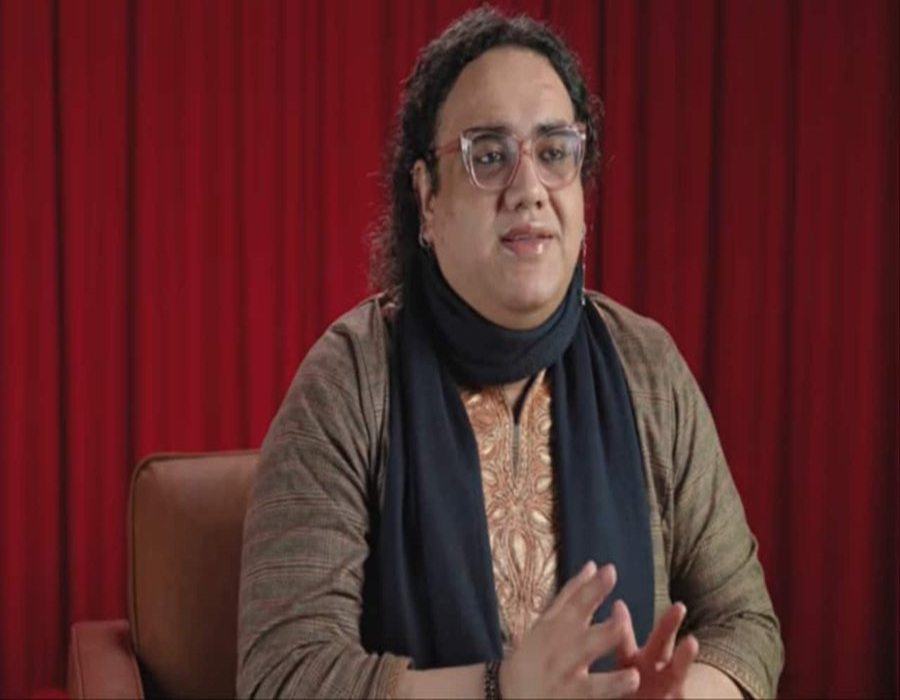
LONDON/KARACHI — A provocative claim by Pakistani transgender activist Hina Baloch has sent shockwaves through social media, reigniting a fierce global conversation on sexuality in the Islamic Republic. In a viral video from an interview with the Queer Global YouTube channel, Baloch asserted that 80% of Pakistan is gay, with the remaining 20% being bisexual. She described the nation’s sexual landscape as an “open secret,” hidden behind a heavy veil of religious dogma and cultural honor.
According to Baloch, the pressure to conform to traditional family structures in Pakistan forces a vast majority of the population to suppress their true identities. She argues that while many citizens publicly condemn non-heteronormative behaviors, their private lives tell a different story. “They will deny it, they will bring religion into it, but nobody’s straight in Pakistan,” she stated during the interview. This bold assertion has drawn both support from underground activists and sharp criticism from conservative circles within the country.
The “Khawaja Sira” Struggle and Gender Expression
Beyond her viral statistics, Baloch shared a poignant look into her own upbringing. She reflected that her primary childhood fears were not about her sexuality, but about her gender expression. She recalled the constant anxiety of wanting to apply lipstick or wear feminine jewelry while fearing violent retaliation from her family. This narrative resonates deeply with the Khawaja Sira (transgender) community in Pakistan, who historically occupy a complex space in society—both feared for their “curses” and sought out for “blessings.”
Baloch emphasized that the structural challenges for the community are immense. Many are funneled into exploitative livelihoods like begging or sex work due to a lack of formal employment opportunities. Consequently, she became a central figure in organizing for minority rights, co-founding the Sindh Moorat March and playing a vocal role in the Aurat March. Her activism aimed to break these cycles of exploitation, though it eventually led to severe personal consequences.
Also Read : World Happiness Report 2026: Why Afghanistan is the World’s Unhappiest Nation
Retaliation, Exile, and the Journey to the UK
The cost of being a vocal advocate in Pakistan proved nearly fatal for Baloch. She previously recounted surviving kidnapping and abuse by law enforcement after she dared to raise a Pride flag during a public protest. These experiences of violent retaliation ultimately forced her to flee her homeland. Moreover, the 2023 Federal Shariat Court ruling, which labeled parts of the Transgender Persons (Protection of Rights) Act as “un-Islamic,” has only intensified the legal and social risks for activists like her.
Currently, Baloch resides in the United Kingdom, where she sought refugee status and secured a scholarship to the prestigious SOAS, University of London. From her new base in London, she continues to use digital platforms to highlight the “double standards” of Pakistani society. She points out that while the state often ignores incitement to violence against LGBTQ+ individuals on social media, it remains quick to prosecute those who challenge traditional morality.
Pakistan’s Sexuality Debate in 2026
As we move through 2026, the debate sparked by the claim that 80% of Pakistan is gay highlights a growing rift between the youth and the traditional guard. While official statistics from the 2023 census recorded only 20,000 transgender people, NGOs estimate the actual number exceeds 500,000. There are no official counts for the gay or bisexual population, as same-sex acts remain criminalized under laws dating back to the colonial era.
However, the “underground” scene in cities like Karachi and Lahore continues to grow, accessible mostly to the upper and middle classes. Baloch’s viral claim, whether seen as a literal statistic or a hyperbolic critique of hypocrisy, has successfully forced a conversation that many in Pakistan would prefer to keep silent. For the activists remaining on the ground, her words serve as a reminder of the vast, invisible community living in the shadows of a deeply conservative state.