
BLA & BLF Claim IED Attacks on Pakistani Forces
Deadly IED Attacks Kill 29 Pakistani Soldiers in Balochistan
Baloch liberation groups have escalated their insurgency against Pakistani military forces in Balochistan. Over July 15 and 16, two deadly attacks were reported across Quetta, Kalat, and Awaran, killing at least 29 army personnel, including a senior officer.
The Baloch Liberation Army (BLA) and Baloch Liberation Front (BLF) separately claimed responsibility for the attacks. They termed them “retaliatory operations” against what they call “military occupation” of Balochistan.
BLA Targets Army Bus in Quetta, 27 Soldiers Killed Instantly
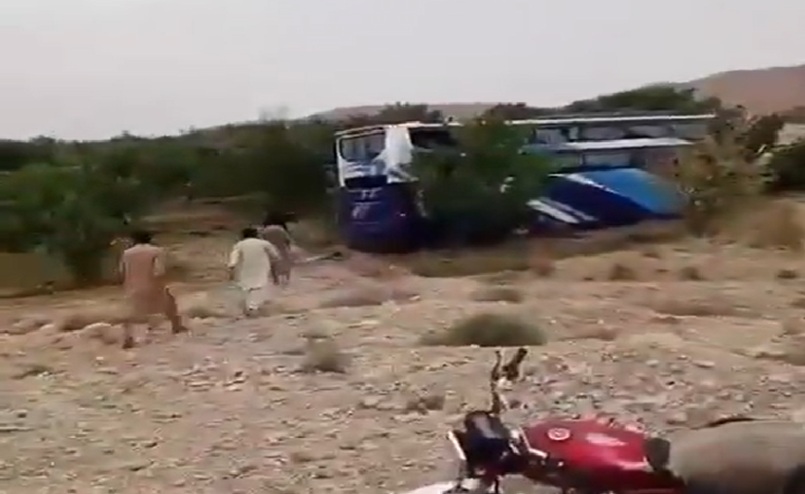
On July 15, a bus carrying Pakistan Army personnel was hit by a remote-controlled Improvised Explosive Device (IED) in the Quetta region. Initial reports indicate that 27 soldiers died on the spot. Two others died later from severe injuries.
The BLA, which claimed responsibility for the attack, stated that civilians had been warned to stay away from Pakistani army personnel. Notably, some artists were reportedly also present on the bus during the explosion.
Later the same day, another IED attack rocked Hazar Ganji in Quetta. In this blast, two additional soldiers were killed, and seven were injured. The second strike highlights the group’s ability to coordinate multiple strikes within a short timeframe.
BLF Orchestrates Attacks in Kalat and Awaran
Meanwhile, the Baloch Liberation Front (BLF) launched two separate assaults targeting army convoys. On July 15, BLF fighters detonated an IED on the Quetta-Karachi highway near Khazinai, Kalat. The blast destroyed a military vehicle, killing four soldiers and injuring two others.
The next day, BLF ambushed a Pakistani military unit in Jhau, Awaran district. According to BLF’s statement, the attack was based on internal intelligence. Six soldiers, including Major Syed Rab Nawaz Tariq, were killed while pursuing a seized ration truck. BLF snipers reportedly engaged the rest of the unit, forcing them to withdraw.
Baloch group Accuse Army of “Fake Encounters”
Both militant groups used their public statements to accuse the Pakistani army of extrajudicial killings. The BLF claimed the military was staging “fake encounters” as revenge for recent losses. These alleged operations, they said, targeted innocent civilians rather than combatants.
Islamabad has consistently denied such allegations, stating that military operations in Balochistan are aimed at maintaining peace and dismantling terror networks.
Growing Security Concerns in Balochistan
The recent string of coordinated attacks raises fresh concerns over Pakistan’s internal security, especially in restive Balochistan. These incidents also reveal the growing sophistication of militant groups operating in the region.
Observers say the strategic use of IEDs and ambushes indicates heightened planning capabilities. Moreover, the public nature of the attacks—on highways and in populated corridors—highlights an emboldened insurgency.
With tensions escalating, both Pakistani military leadership and civilian authorities face renewed pressure to address the Balochistan conflict not only with force but also through meaningful dialogue.