
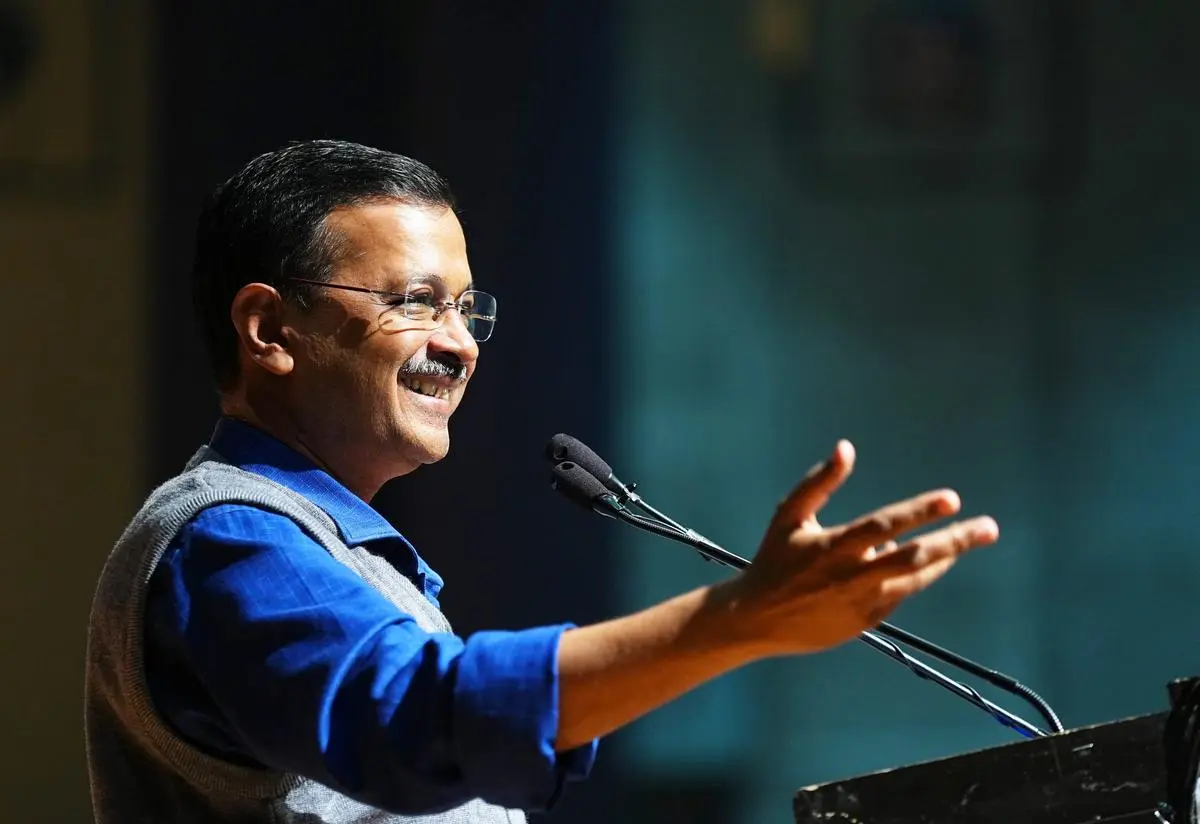
Delhi Assembly was addressed today by Arvind Kejriwal, National Convener of Aam Aadmi Party (AAP), who appeared before the Privileges Committee to request Kejriwal Assembly Live Streaming. Kejriwal emphasized that live streaming of Assembly proceedings is crucial for transparency and public accountability, allowing citizens to witness governance and debates in real time.
Kejriwal highlighted that Delhi residents are currently grappling with critical issues such as rising water bills, sewer and drainage problems, broken slums, closed Mohalla clinics, shortage of medicines in hospitals, and pollution. He stressed that instead of focusing political attention on him personally, the Assembly should prioritize addressing these pressing civic concerns.
Also read : Pravesh Verma Housing Promise Under Fire: AAP Delhi Accuses BJP of Betraying Slum Dwellers
Delhi Assembly Live Streaming: Ensuring Transparency and Public Accountability in Delhi
“Delhi Assembly Live Streaming is not just a procedural demand; it ensures that Delhi’s citizens can see the government in action and hold it accountable,” said Kejriwal. He appealed to the Assembly Speaker, Bijendra Gupta, to approve this request, ensuring full transparency and public access to proceedings.
दिल्ली के पूर्व मुख्यमंत्री @ArvindKejriwal जी को आज दिल्ली विधानसभा की प्रिविलेज कमेटी में बुलाया गया है। केजरीवाल जी ने सिर्फ एक मांग रखी है — पूरी कार्यवाही की लाइव स्ट्रीमिंग हो, ताकि दिल्ली की जनता सच देख सके।
जब पहले भी विधानसभा की कार्यवाही लाइव दिखाई जाती रही है, तो अब… pic.twitter.com/VgUsYBm6KN
— Sanjeev Jha (@Sanjeev_aap) March 6, 2026
Kejriwal also pointed to initiatives under AAP’s governance, including the establishment of Mohalla Clinics, improvement of government schools, provision of free electricity, and free bus rides for women. He noted that these achievements are better understood and appreciated when citizens can directly observe the Assembly proceedings through live streaming.
With Delhi Assembly Live Streaming, the National Convener hopes to strengthen democratic accountability, giving Delhi citizens the ability to witness discussions, debates, and decision-making firsthand. The outcome of the Privileges Committee’s deliberation will determine whether this request becomes a reality, marking a step toward open governance in Delhi.