
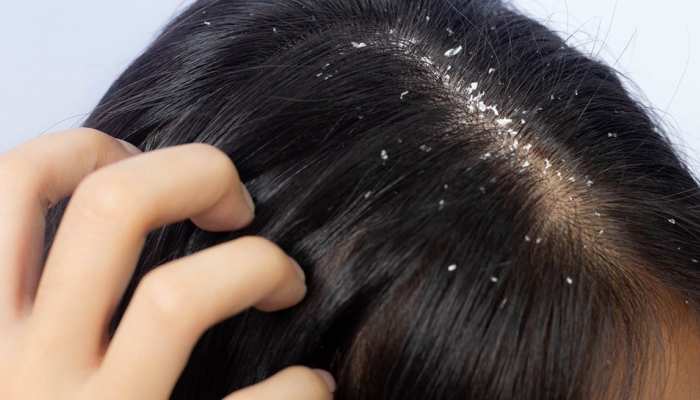
Combat winter dandruff with expert tips: identify dry scalp vs dandruff, avoid over-oiling, and use serums with zinc, ketoconazole, and tea tree oil.
Winter air is inherently dry, and indoor heating exacerbates moisture loss from the cranium. This reduction in hydration compromises the scalp’s protective barrier, rendering it more susceptible to irritation and scaling.
Winter introduces frigid, dry air both externally and within indoor environments as a result of heating systems. This deficiency of hydration can deplete your scalp of its natural oils, resulting in dryness and flaking, ” explains Ms. Lalita Arya.
Limited sunlight exposure also contributes to this. Sunlight facilitates the synthesis of vitamin D in the body, which promotes the health of the epidermis and scalp. With reduced daylight hours and diminished sunlight, the scalp becomes increasingly susceptible to inflammation, dandruff, and delayed healing.
Dry Scalp or Dandruff? What Is the Distinction
Numerous individuals confuse winter dandruff with mere dehydration; however, misdiagnosing and treating the incorrect condition can exacerbate the flaking.
“Distinguishing between the two is crucial for appropriate management,” states Ms. Simrat Sandhu, Founder of Cosmetique by Simrat Sandhu.
She states, “If the scalp feels tight accompanied by small white flakes, it is typically indicative of dryness.” However, if particles are greasy, yellowish, itchy, or accompanied by redness, it is likely dandruff and requires specific treatment.
Also read : Raghav Chadha Reveals His Favourite Travel Destination in India
A dry scalp benefits from increased hydration, whereas dandruff responds more effectively to antifungal and medicated treatments.
Why Excessive Oiling During Winter May Have Negative Consequences
One of the most prevalent winter hair-care misconceptions is the belief that extensive oiling is beneficial. Although oil may provide a sense of comfort, improper application can exacerbate dandruff.
Frequent oiling is among the most commonly misconstrued hair care practices during winter, cautions Ms. Simrat Sandhu.
Over-oiling has the potential to capture impurities, obstruct hair follicles, and exacerbate dandruff or seborrheic dermatitis.
She advises applying oil only once a week with lightweight, non-comedogenic oils and refraining from excessive daily oiling, which can promote yeast overgrowth.
Can Scalp Serums Effectively Manage Dandruff
Scalp serums have experienced a rise in popularity, and this trend is well justified. Unlike oils, they are specifically designed to address the scalp’s needs without obstructing pores.
“When selecting a serum to address winter dandruff, specific ingredients are particularly efficacious,” states Ms. Lalita Arya.
Essential components to consider include:
- Salicylic Acid for the exfoliation of flaky skin
- Zinc Pyrithione for the management of dandruff-inducing yeast
- Ketoconazole for chronic dermatitis
- Tea Tree Oil for Alleviating Irritation
- Niacinamide for enhancing the integrity of the epidermis barrier
“These ingredients collaboratively help to diminish flakes, itchiness, and inflammation when applied consistently,” she adds.
Proper application of scalp serums is essential to achieve optimal results.
“Consistency is fundamental,” states Ms. Lalita Arya.
Begin by administering anti-dandruff serums two to three times weekly to a clean scalp. Adjust according to your scalp’s response, and consistently use a gentle, hydrating shampoo.
Excessive use, however, may lead to irritation, particularly on sensitive scalps.
Dermatologist-Endorsed Winter Scalp Care Regimen
According to Ms. Simrat Sandhu, the optimal winter regimen maintains a balance between proper hygiene and adequate hydration:
- Apply anti-dandruff shampoo containing zinc pyrithione, ketoconazole, or salicylic acid twice weekly.
- Apply a hydrating hairline mask once weekly.
- Refrain from taking hot showers, as they remove vital lipids.
- Choose mild oiling exclusively when dryness prevails over dandruff.
She states that clinic-grade scalp treatments and antifungal peels may be advantageous for severe or recurrent cases.
Common Winter Hair Errors That Exacerbate Dandruff
Even with appropriate products, routines may undermine progress.
“Hot showers, excessive washing, the use of harsh products, and neglecting proper hydration are common errors that exacerbate winter dandruff,” states Ms. Lalita Arya.
She advocates for lukewarm showers, mild cleansing, and nourishing remedies to maintain the scalp’s equilibrium.
Enduring Habits That Mitigate Seasonal Dandruff
Preventing winter dandruff involves not only seasonal maintenance but also consistent care throughout the year.
“Long-term prevention necessitates sustaining scalp hygiene throughout the year, beyond the winter season,” states Ms. Simrat Sandhu.
She recommends a nutrient-dense diet incorporating omega-3 fatty acids, zinc, and vitamin D, along with effective stress management, consistent scalp exfoliation, limited variation in hair products, and the use of a humidifier during arid seasons.
Also read : Raghav Chadha Reveals His Favourite Travel Destination in India
These practices contribute to decreasing the frequency of recurrent flare-ups and fostering long-term resilience of the scalp, she observes.
Winter dandruff is not unavoidable; however, it necessitates more attentive and informed care. Gaining clarity on whether you are experiencing dehydration or dandruff, refraining from excessive oiling, and applying specialized scalp serums can significantly influence the outcome.
With professionally recommended routines and sustained habits, maintaining a flake-free winter scalp is entirely attainable.