
410
In Hindu tradition, Kharmas 2026 is considered an inauspicious period during which certain auspicious activities are traditionally avoided. This period occurs according to the solar calendar when the Sun transits Pisces (Meen) and Sagittarius (Dhanu).
Kharmas 2026 Start Date
This year, the Sun is currently in Aquarius (Kumbh) and will enter Pisces (Meen) on Sunday, March 15, 2026, at 1:08 AM, officially marking the beginning of Kharmas 2026. Some references mention late night on March 14, but in the Gregorian calendar, the correct date is March 15.
Duration of Kharmas 2026
Kharmas will last for nearly a month, ending on April 14, 2026, at 9:38 AM, when the Sun transits into Aries (Mesh). According to the Hindu Panchang, it begins on Ekadashi of Krishna Paksha in the Chaitra month and concludes on Dwadashi of Krishna Paksha in the Vaishakh month.
Activities Traditionally Avoided During Kharmas 2026
During Kharmas , several important activities are considered inauspicious:
- Starting new business ventures or major projects.
- Housewarming ceremonies (Griha Pravesh).
- Marriage-related rituals such as weddings and engagements.
- Religious ceremonies like Mundan (head-shaving), Janeu (sacred thread ceremony), and naming ceremonies.
- Purchasing property, vehicles, or laying the foundation for a new house.
- Performing these activities during Kharmas 2026 is traditionally discouraged to avoid delays or unfavorable outcomes.
Why Auspicious Activities Are Avoided During Kharmas
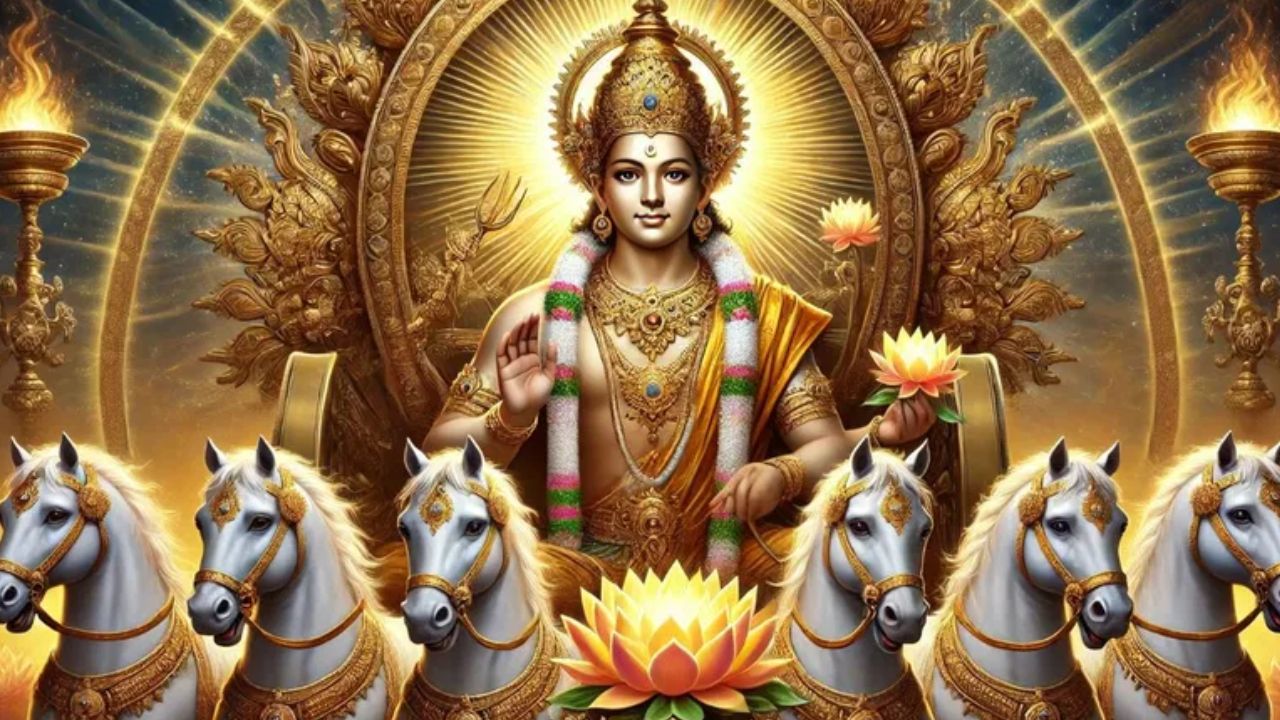
The Sun, regarded as the king of planets, is believed to move slowly during Kharmas. When it transits Pisces or Sagittarius, its strength is considered diminished, making it unsuitable for important rituals. Auspicious ceremonies are ideally performed when the Sun is in a strong or exalted position, which is not the case during Kharmas 2026.
Conclusion
With Kharmas beginning on March 15 and continuing until April 14, devotees and families are advised to postpone major ceremonies and auspicious activities until the period ends. Observing these traditional guidelines is believed to ensure positive outcomes and avoid setbacks in personal and professional life.