
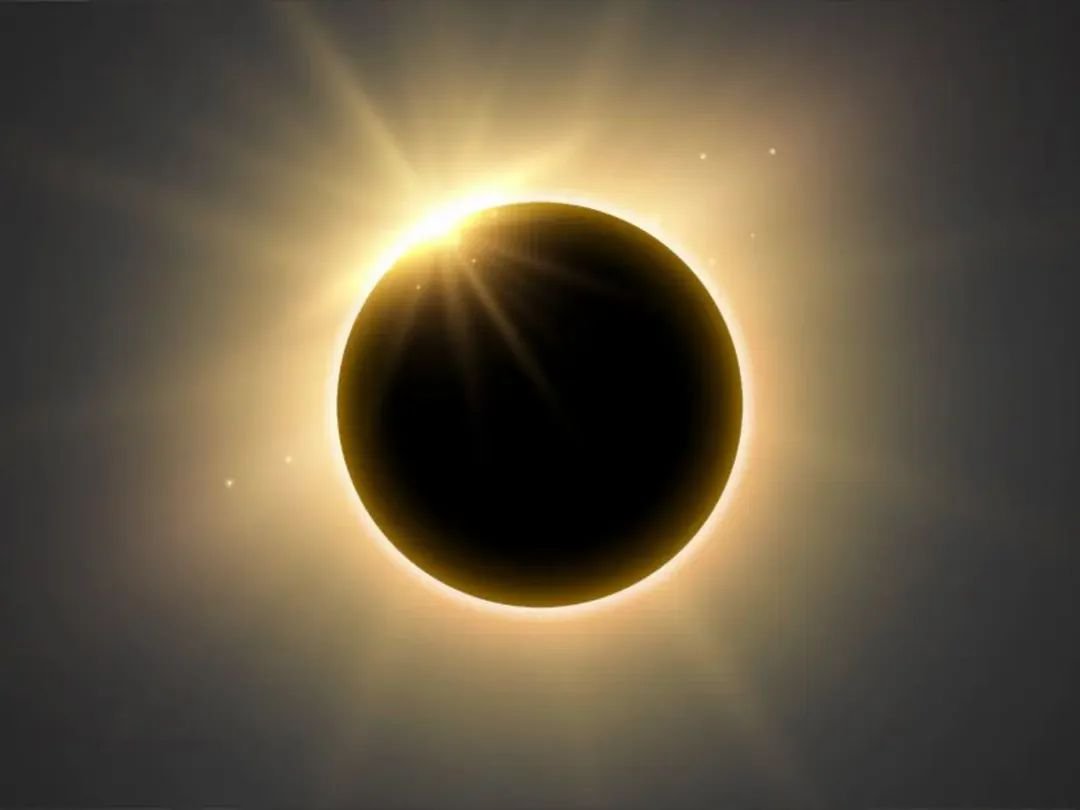
NEW DELHI — Millions of skywatchers across the Northern Hemisphere are preparing for an extraordinary astronomical phenomenon. The Total Solar Eclipse 2026 will occur on Wednesday, August 12, 2026. Consequently, excitement is reaching a fever pitch among astronomers and casual observers alike.
During this celestial alignment, the Moon will pass directly between the Earth and the Sun. As a result, the Moon will completely block the bright solar disk for several breathtaking minutes. Daylight will temporarily turn into an eerie twilight across specific regions of our planet. Furthermore, this event marks Europe’s first total solar eclipse since 1999. Therefore, millions of travelers are heading into the narrow path of totality to witness the event.
Scientists from NASA are also preparing specialized research flights to track the lunar shadow. Specifically, high-altitude aircraft will chase the shadow across the North Atlantic Ocean. In fact, these missions will study the mysterious outer atmosphere of the Sun, known as the corona.
Path of Totality: Which Countries Will See Total Darkness?
However, only observers situated inside a very narrow track on Earth will witness the total eclipse. The path of the Total Solar Eclipse 2026 begins in remote Arctic regions near northern Siberia. Next, the shadow glides over Greenland and sweeps directly across western Iceland.
Iceland has not experienced a total solar eclipse since June 1954. Consequently, thousands of tourists have gathered near Reykjavik and the coastal cliffs of Látrabjarg. At peak moment, observers in Iceland will enjoy totality for approximately two minutes and eighteen seconds.
Afterward, the lunar shadow races across the North Atlantic and hits northern Spain. In addition, a tiny corner of northeastern Portugal will also experience full darkness. Major Spanish cities inside the track include A Coruña, Bilbao, Zaragoza, Valencia, and Palma de Mallorca.
Meanwhile, popular hubs like Madrid and Barcelona lie just outside the line of total coverage. Even so, residents in those cities will still see more than 99 percent solar blockage. Furthermore, local authorities in Spain are managing massive crowd rushes as hotels fill up completely.
On the other hand, millions of people outside the totality path will witness a deep partial eclipse. For instance, observers across Great Britain, France, Germany, and North Africa will see significant solar coverage. In parts of the United Kingdom, the Moon will cover over 90 percent of the Sun. Thus, daylight will noticeably dim throughout the late afternoon hours across Western Europe.
Read More : Surya Grahan 2026 Triggers Powerful Raj Yoga Phase for Four Zodiac Signs
Can Skywatchers in India Watch the Total Solar Eclipse 2026?
Unfortunately, skywatchers in India will not be able to view the Total Solar Eclipse 2026. The entire Indian subcontinent lies completely outside the visibility zone for both total and partial phases.
According to official updates from the India Meteorological Department, the Sun remains below the horizon. In Indian Standard Time, the celestial event begins late in the evening on August 12. The eclipse then continues into the early morning hours of August 13.
Because the eclipse happens during night hours in India, the event remains completely invisible locally. Therefore, Indian astronomy enthusiasts must rely on digital broadcasts to experience the cosmic show.
Fortunately, space agencies and observatories will stream high-definition live feeds globally. NASA will launch an official live stream starting early in the afternoon. As a result, viewers in India can watch real-time views from the comfort of their homes.
In addition, researchers emphasize that solar eclipses follow strict geometric orbital cycles. Therefore, geographical placement determines which country gets a front-row seat for any given eclipse.
Sunset Eclipse Spectacle and Crucial Eye Safety Directives
Interestingly, the Total Solar Eclipse 2026 offers an extraordinary visual treat across Spain. In Spanish territory, totality will take place roughly one hour before sunset. Consequently, observers will witness the solar corona glowing brightly right above the western horizon. Photographers often refer to this rare event as a sunset eclipse.
However, watching any solar eclipse requires strict eye protection protocols. Looking directly at the Sun without proper gear can cause permanent eye damage. Standard sunglasses, optical cameras, and homemade filters do not offer sufficient protection.
Instead, viewers must use certified ISO 12312-2 eclipse glasses during all partial phases. These specialized lenses block harmful ultraviolet and infrared radiation completely. Alternatively, indirect viewing methods like pinhole projectors allow children and families to watch safely.
Indeed, there is only one brief exception to this safety rule. Viewers inside the narrow path of totality can briefly remove their protective glasses. This is safe only during the exact period when the Moon covers the Sun completely.
During totality, the sky darkens dramatically, temperatures drop, and bright stars become visible. Furthermore, planets like Venus, Jupiter, and Mercury will shine brightly near the eclipsed Sun. However, as soon as the first direct sunbeam reappears, eye protection must be worn immediately.
Ultimately, the Total Solar Eclipse 2026 stands out as one of the premier skywatching events of the decade. Whether watching live from Spain or viewing online from India, people worldwide will celebrate this grand cosmic alignment.