
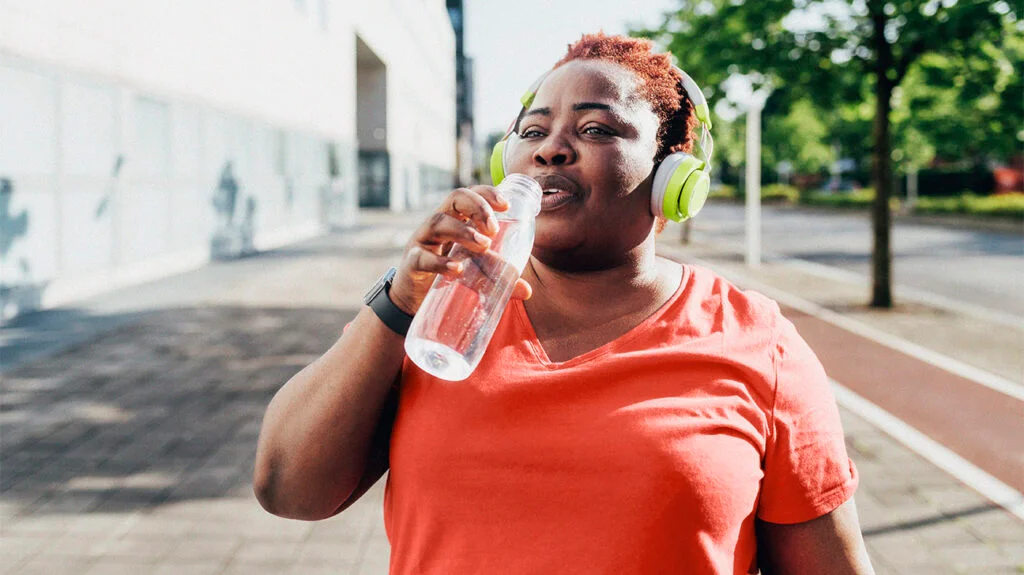
“Water is life” is a phrase many of us have heard countless times. Yet, despite its significance, proper hydration is often neglected in daily routines. Many people rely on beverages like tea, coffee or packaged juices to quench their thirst, but these drinks cannot fully replace the role that plain water plays in maintaining the body’s balance.
The importance of drinking water goes far beyond simply satisfying thirst. Water is one of the most essential nutrients the body needs to function efficiently. From aiding digestion to regulating body temperature and transporting nutrients, staying properly hydrated is crucial for maintaining overall health and wellbeing.
Why Water Is Essential for the Body
Understanding the importance of drinking water begins with recognising the vital roles it plays inside the body. Water supports digestion by helping break down food so that nutrients can be absorbed effectively by the cells.
It also plays a key role in maintaining a stable body temperature, especially during hot weather or physical activity. Additionally, water assists in carrying nutrients and oxygen throughout the body, ensuring that organs and tissues function properly.
Another major benefit linked to the importance of drinking water is its role in detoxification. Proper hydration helps the kidneys and liver remove waste products and toxins from the body through urine and sweat.
Water also helps maintain electrolyte balance and lubricates joints, allowing smooth movement during everyday activities.
How Much Water Should You Drink Daily?
Health experts generally recommend that a healthy adult consume about 2 to 3 litres of water per day, which is roughly equal to eight glasses.
However, daily water needs can vary depending on several factors. Age, gender, level of physical activity, climate conditions and overall health can influence how much water a person requires. Recognising the importance of drinking water and adjusting intake according to lifestyle is key to maintaining good hydration.
Can Tea, Coffee or Juice Replace Water?
Many people believe that drinks such as tea, coffee or fruit juice can easily meet the body’s hydration needs. However, this assumption is not entirely correct.
Tea and coffee contain caffeine, which can have a mild diuretic effect if consumed in large quantities. This means they may cause the body to lose fluids more quickly.
Similarly, packaged juices and sugary beverages often contain high amounts of sugar and calories. Carbonated soft drinks may also include both caffeine and sugar, which can make them less effective for proper hydration.
Understanding the importance of drinking water highlights why plain water remains the healthiest and most reliable way to keep the body hydrated.
What to Drink If You Don’t Like Plain Water
Some people find it difficult to drink enough plain water throughout the day. In such cases, adding natural flavours can make hydration more enjoyable.
Infused water is a simple and healthy option. Ingredients like lemon, mint, ginger, cinnamon, fennel seeds or turmeric can be added to water to create a refreshing flavour. These ingredients may also offer antioxidant benefits while encouraging people to drink more fluids.
Adopting such habits can help reinforce the importance of drinking water while making hydration more appealing.
Hydrating Foods That Help Maintain Fluid Balance
Hydration does not come only from beverages. Many fruits and vegetables contain a high percentage of water and can contribute significantly to daily fluid intake.
Foods such as watermelon, muskmelon, oranges, strawberries, tomatoes, lettuce and celery are naturally rich in water. Including these foods in your daily diet can help support hydration while providing essential vitamins and minerals.
Also read ; When Is Eid-ul-Fitr 2026? Expected Date, Moon Sighting and Chand Raat Explained
Light drinks made from fruits and vegetables such as orange, berries, apple, cucumber, beetroot and carrot can also support hydration and improve metabolism.
Proper hydration is one of the simplest yet most powerful ways to support overall health. The importance of drinking water cannot be overstated, as it helps regulate body functions, supports digestion and assists in detoxification.
While other beverages and water-rich foods can contribute to fluid intake, plain water remains the best and most effective source of hydration. Making a conscious effort to drink enough water each day can significantly improve energy levels, overall health and wellbeing.