
As the sacred month of Ramadan approaches its final days, excitement is building across India for one of the most cherished festivals in the Islamic calendar — Eid-ul-Fitr 2026. Homes begin preparing for special prayers, festive meals, and joyful reunions with family and friends. However, every year one important question arises: when exactly will the festival be celebrated?
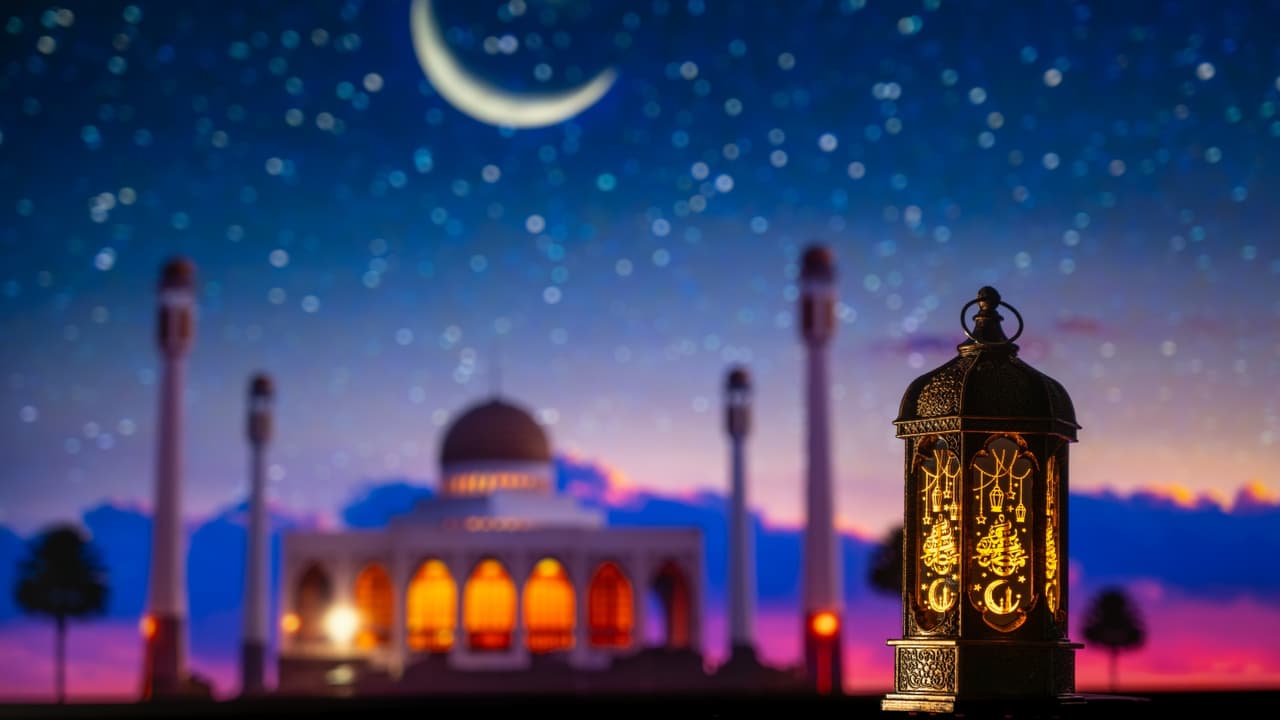
In India, Eid-ul-Fitr 2026 is expected to fall either on March 20 or March 21. The final date will depend on the sighting of the crescent moon, which marks the beginning of the Islamic month of Shawwal and signals the end of Ramadan.
Why the Date of Eid Changes Every Year
Eid-ul-Fitr 2026, widely known as the “Festival of Breaking the Fast,” marks the conclusion of Ramadan — a spiritually significant month during which Muslims fast from dawn to sunset, engage in prayers, practise charity, and reflect on their faith.
The festival is celebrated on the first day of Shawwal, the tenth month of the Islamic lunar calendar. Unlike the Gregorian calendar, the Islamic calendar follows the phases of the moon, meaning each month lasts either 29 or 30 days.
Because the Islamic calendar is lunar-based, the date of Eid-ul-Fitr 2026 shifts slightly each year in the Gregorian calendar and cannot be officially confirmed until the crescent moon is sighted.
Moon Sighting Will Decide Eid-ul-Fitr 2026 Date
In India, Muslims traditionally look for the crescent moon on the 29th evening of Ramadan. For Eid-ul-Fitr 2026, the moon sighting is expected on the evening of March 19, a night popularly known as Chand Raat.
If the crescent moon is visible that evening, Eid-ul-Fitr 2026 will be celebrated on Friday, March 20. If the moon is not sighted, Ramadan will complete 30 days, and the festival will then be observed on Saturday, March 21.
Astronomical predictions currently suggest that the moon is likely to be visible on March 19, making March 20 the more probable date for celebrations across India and neighbouring regions.
The official announcement usually comes after sunset when moon-sighting committees and religious scholars confirm the sighting. Major cities like Delhi, Lucknow, Hyderabad, and Mumbai often witness gatherings where community members eagerly wait for the final confirmation.
Why Chand Raat Is So Special
The moment the crescent moon is sighted, Chand Raat begins — one of the most exciting nights before Eid-ul-Fitr 2026.
Markets remain open late as families head out to buy new clothes, sweets, and gifts for the festival. Shopping areas, jewellery stores, and street markets come alive with festive energy.
Women and young girls decorate their hands with mehendi, while households begin preparing special dishes and desserts that will be served during the Eid celebrations the next day.
How Eid-ul-Fitr Is Celebrated
The festival is usually celebrated over three joyful days. On the morning of Eid-ul-Fitr 2026, Muslims wake up early, take a bath, and wear new or their best traditional clothes.
Also read ; Healthy Pav Bhaji Recipe: A Nutritious Twist on India’s Favourite Street Food
The day begins with special congregational prayers known as Salat al-Eid, performed in mosques or open prayer grounds. Before the prayers, Muslims give a charitable donation called Zakat al-Fitr, ensuring that those in need can also celebrate the festival.
People greet each other with “Eid Mubarak” and spend the day visiting relatives, friends, and neighbours.
The Sweet Traditions of Meethi Eid
Eid-ul-Fitr is also popularly known as “Meethi Eid” or Sweet Eid because of the wide variety of desserts prepared in homes.
Traditional dishes such as sheer khurma, seviyan, and other festive delicacies are served to guests. Children eagerly look forward to receiving Eidi — small gifts or money from elders — which adds to the festive joy.
The Spiritual Meaning Behind the Festival
Beyond celebrations, Eid-ul-Fitr 2026 carries deep spiritual significance. It symbolises gratitude, compassion, generosity, and unity within the community.
After a month dedicated to fasting, prayer, and self-reflection, the festival serves as a reminder of the importance of charity, kindness, and sharing blessings with others.
For millions of families, Eid is not just a celebration — it is a moment of togetherness, gratitude, and renewed faith.