
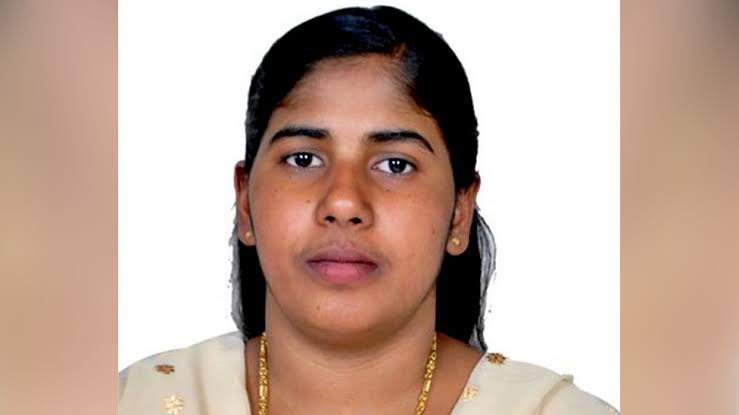
Yemen Defers Execution of Indian Nurse Nimisha Priya Following Diplomatic Talks
Yemen Postpones Execution of Indian Nurse Nimisha Priya Amid Ongoing Talks
New Delhi / Sana’a, July 15, 2025 — In a major diplomatic relief, Yemeni authorities have postponed the execution of Nimisha Priya, an Indian nurse from Kerala convicted in a 2017 murder case. The execution, originally scheduled for July 16, has been deferred following a series of intense diplomatic and religious interventions aimed at negotiating a blood money settlement.
Sources confirmed to ANI that India’s Ministry of External Affairs (MEA) and local religious leaders worked together to secure more time for Priya’s family to reach an agreement with the victim’s relatives.
Who Is Nimisha Priya?
Nimisha Priya, a nurse from Palakkad district in Kerala, has been imprisoned in Sanaa, Yemen, since 2020. She was convicted of killing Yemeni national Talal Abdo Mahdi—a man she accused of abusing her and illegally holding her passport, thereby preventing her from returning to India.
Her case has drawn national attention and public appeals from civil society, human rights activists, and religious leaders. After her final appeal was rejected in 2023, her only chance of reprieve lay in negotiating with the victim’s family, in accordance with Yemeni Sharia law, which allows a death sentence to be waived in exchange for “blood money.”
Key Role of Religious Diplomacy in the Postponement
The deferment of the execution was made possible through joint efforts by Indian and Yemeni religious figures.
Who Was Involved?
- Sheikh Habib Umar bin Hafiz, a revered Yemeni Sufi leader
- Kanthapuram A P Aboobacker Musliyar (Sheikh Abubakr Ahmad), a prominent Indian Sunni cleric
- A Yemeni Shura Council member, who is also the Chief Justice of Hodeidah State Court and a relative of the victim
This representative traveled to Dhamar in Yemen for direct negotiations on the advice of Sheikh Habib Umar. His connection to the Sufi order and his family background offered a path toward building trust with Mahdi’s relatives.
“Along with persuading the family, he is also expected to meet the Attorney General to initiate urgent efforts to postpone the execution,” said a statement from Kanthapuram’s office on Tuesday.
🇮🇳 Indian Government’s Continued Involvement
According to officials, the Indian Government has been consistently involved since the beginning of the case. In recent days, Indian diplomats have stepped up efforts to facilitate a resolution.
- The Attorney General of India, R Venkataramani, informed the Supreme Court on Monday that New Delhi has limited legal leverage in the matter but is “trying its best.”
- The MEA has been in constant communication with Yemeni prison officials and the prosecutor’s office, ultimately helping secure this critical postponement.
Blood Money Negotiations Underway
Yemen’s legal system allows the victim’s family to forgive the accused in exchange for “Diya” (blood money). The fact that Mahdi’s family is now open to dialogue—after years of silence—is seen as a breakthrough.
The ongoing talks are focused on:
- Establishing the terms of the blood money amount
- Facilitating safe passage and presence of Priya’s family in Yemen
- Involving third-party mediators to ensure a transparent resolution
Religious leaders believe that if the family is persuaded, an official pardon could be granted, effectively saving Priya from execution.
Legal and Humanitarian Challenges
The case is layered with diplomatic sensitivity and legal complexity:
- Yemen remains in a state of civil conflict, making on-ground negotiations and travel extremely difficult.
- India has no formal extradition treaty with Yemen.
- Consular access and legal intervention options are limited, especially for non-citizens facing criminal charges in Sharia-based legal systems.
Despite these challenges, India’s outreach to influential Yemeni clerics is being viewed as a strategic and humane move.
Growing Support for Clemency in India
Back home, several NGOs and civil rights organizations have rallied behind Priya’s case, urging the Indian government to increase diplomatic pressure and raise humanitarian concerns at international forums.
The Save Nimisha Priya International Action Council has organized fundraising and outreach efforts, aiming to help her family meet blood money obligations and ensure their safe arrival in Yemen.
Conclusion: Hope Rekindled, But Uncertainty Remains
The deferral of Nimisha Priya’s execution marks a temporary relief, but the fight for clemency is far from over. As diplomatic and religious negotiations continue, her fate hangs in a delicate balance.
The next few days are crucial. If a blood money agreement is reached, it could lead to full pardon and eventual release. If not, the execution may be rescheduled, prompting renewed appeals at all levels.