
UK’s F-35B Jet Departs Kerala After 5 Weeks of Emergency Stay
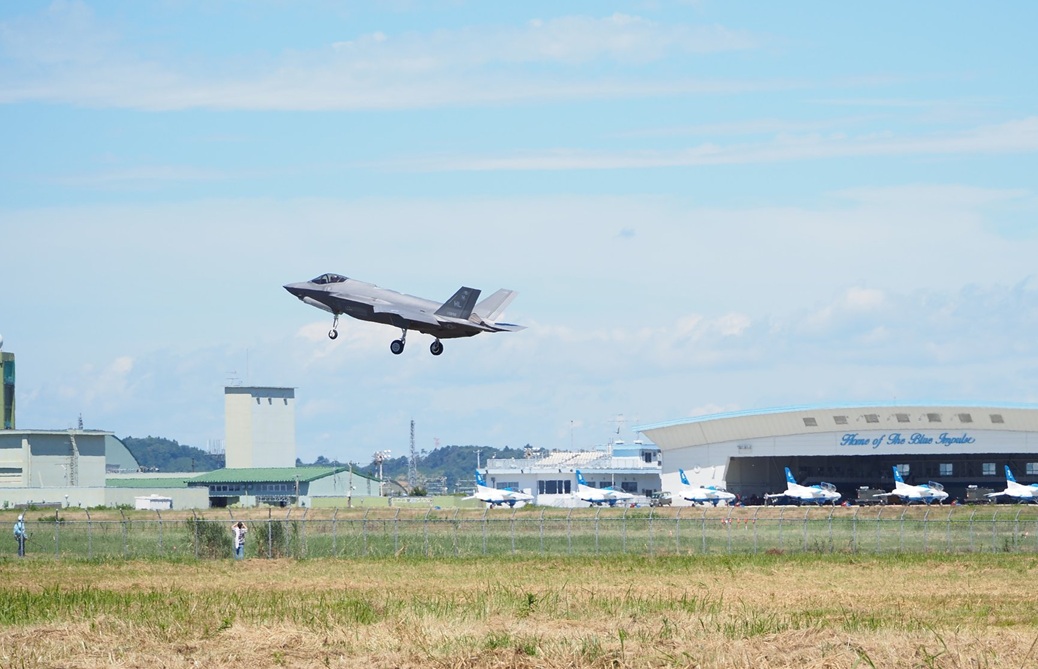
British F-35B Fighter Jet Finally Takes Off From Kerala Airport
A British Royal Navy F-35B stealth fighter jet, stranded for over a month in Kerala due to a technical fault, finally left Thiruvananthapuram Airport this morning. The jet had made an emergency landing on June 14 after developing a hydraulic failure mid-flight during its journey from the UK to Australia.
The aircraft’s sudden stopover in India drew public attention, technical challenges, and even social media humor during its 35-day stay.
Watch: ‘Lonely’ British F35 flighter jet leaves Kerala after being stranded for a month. https://t.co/H5BlQIDYRl pic.twitter.com/w13TwDvfvZ
— Sidhant Sibal (@sidhant) July 22, 2025
Emergency Landing in Kerala Amid Weather and Fuel Crisis
On June 14, the fifth-generation stealth fighter, part of the UK’s HMS Prince of Wales Carrier Strike Group, was rerouted to Kerala after encountering adverse weather and low fuel levels over the Indian Ocean. With limited landing options, the pilot made a quick decision to land at Thiruvananthapuram Airport, where the Indian Air Force (IAF) swiftly provided ground and logistical support.
The emergency landing became a rare moment in Indian aviation history, as India does not operate any F-35 jets—making this the first time an F-35B was hosted on Indian soil.
Repairs Required Special Crew, Tools Flown In From UK
After being grounded, the jet’s return to service proved far from simple. On July 6, it was towed into a hangar using specialized equipment flown in from the UK, as local infrastructure was unequipped to handle the aircraft. A team of Royal Air Force technicians and engineers then carried out detailed repairs.
British authorities even considered airlifting the aircraft using a C-17 Globemaster, but logistical challenges and cost concerns ruled out the plan. The F-35B finally received clearance for takeoff on July 20.
Parking Charges Cross ₹9 Lakh During 35-Day Stay
The extended stay came with a hefty bill. According to Economic Times, the daily parking charge of ₹26,000 at the airport added up to ₹9.1 lakh for 35 days. Additional expenses included landing fees, logistical coordination, and specialized equipment transport.
Despite the costs, Indian authorities were praised for professional support and cooperation, ensuring smooth operations and the safety of the high-value aircraft.
Social Media Buzz and Tourism Memes Follow the Jet
While the jet remained grounded, curiosity soared among locals and onlookers. Residents flocked to the airport fence for glimpses, and aviation enthusiasts tracked its status online.
Kerala Tourism capitalized on the moment with a witty post:
“Kerala, the destination you’ll never want to leave,”
alongside a photo of the parked F-35B—turning a military detour into a viral tourism pitch.
The incident became a talking point across social media platforms, spawning memes, jokes, and hashtags tied to the F-35B’s prolonged visit.
What Makes the F-35B So Unique?
Developed by Lockheed Martin, the F-35B is one of the world’s most expensive and advanced fighter jets. Designed for short take-off and vertical landing (STOVL), it can operate from aircraft carriers without the need for catapult systems.
Part of a larger family that includes the F-35A and F-35C, the B variant is used primarily by the US Marine Corps and the UK Royal Navy. It represents the cutting edge of stealth, avionics, and battlefield dominance.
Strategic Implications and Indo-UK Defence Ties
The jet’s temporary stay in India, though accidental, highlights the deepening India–UK defense engagement. The UK Carrier Strike Group had just concluded joint naval drills with the Indian Navy, signaling shared security interests in the Indo-Pacific.
Military analysts noted that while the F-35B’s landing was unplanned, the event emphasized the importance of interoperability and cooperation among partner nations in crisis scenarios.